
In a notable development, the United States and Iran ceased attacks for a second consecutive day, fostering hopes of renewed dialogues towards an interim ceasefire agreement. The recent flare-up began when Iran targeted ships navigating the strategic Strait of Hormuz. The pause in hostilities remains largely unexplained, as the Pentagon has yet to provide comments.
U.S. President Donald Trump has opted for strategic patience, allowing negotiation efforts to progress. Ambassador Mike Waltz, speaking to Fox News, emphasized intensive diplomatic engagement with Iran and Oman. These efforts span various levels, from high-level meetings to technical discussions.
Despite Waltz’s reassurances, some experts remain skeptical about the sustainability of the current military posture. Concerns have arisen regarding the capability of the U.S. and Iran to maintain prolonged hostilities. However, for now, a mutual cessation of attacks appears to hold.
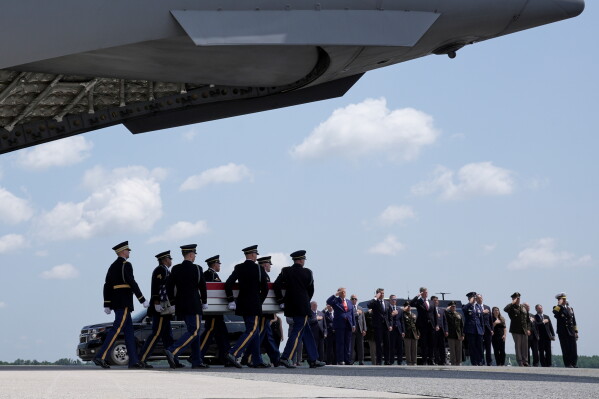
In recent days, Iran retaliated against regional countries hosting U.S. forces, resulting in casualties at military bases in Jordan and Iraq. Nonetheless, a regional mediator views the current pause as a promising sign, enhancing diplomatic initiatives aimed at reducing tensions.
The 60-day timeframe established by the mid-June interim deal is nearing its end. Critical issues, such as Iran’s nuclear program, remain unresolved as mediators focus on resuming dialogue. A potential compromise under discussion includes Iran managing vessel transit through the Strait of Hormuz with minimal restrictions.
The shipping situation in the Strait of Hormuz is troubling, with traffic at a three-week low. Iranian-backed Houthi rebels recently threatened a blockade on the Bab al-Mandeb Strait, affecting Saudi shipping routes. Global energy markets and economies face uncertainty due to rising gasoline prices and potential disruptions.
Despite these challenges, Iran maintains ongoing talks with Oman, aimed at ensuring safe passage through the Strait of Hormuz. Foreign Ministry spokesperson Esmail Baghaei expressed optimism about the progress of these discussions, emphasizing the strait’s unchanged status.
The U.S. military continues its naval blockade against Iran, redirecting and inspecting commercial ships in the region. This move underscores American preparedness and vigilance.
Amid these geopolitical tensions, Israeli Prime Minister Benjamin Netanyahu plans to meet with President Trump. Their discussion will likely focus on Trump’s strategy to contain Iran’s nuclear ambitions without resorting to further military conflict. While Netanyahu supports Trump’s approach, he warned against any Iranian aggression towards Israel, cautioning against significant repercussions.
Netanyahu’s visit to Washington highlights the intricate dynamics between the U.S., Iran, and regional players, as diplomatic efforts continue to seek a peaceful solution.