
Immediate Impact and Diplomatic Reactions
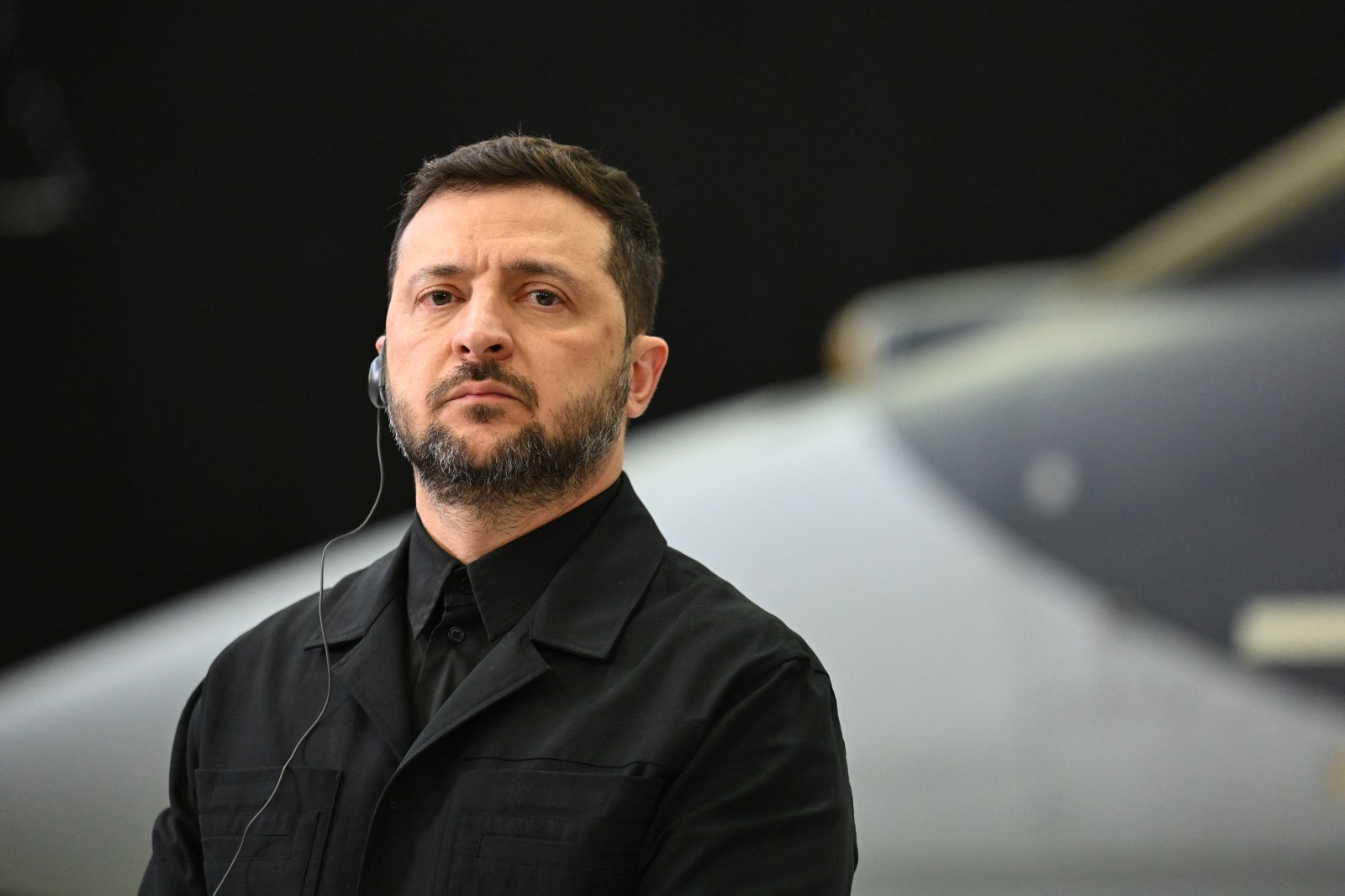
A Ukrainian strike on the Caspian Sea has reverberated internationally due to its consequences beyond immediate damage. Iran reported the death of a sailor on an Iranian commercial ship. Ukrainian President Volodymyr Zelensky stated that Kyiv targeted vessels involved in military cargo linked to Iran. Tehran responded strongly, with Iranian Foreign Minister Abbas Araghchi declaring in an online post that the nation “cannot go unanswered.” The incident’s significance stretches beyond diplomatic exchanges.
Ukraine’s Expanded Military Reach
The operation underscored Ukraine’s expanding capabilities. Situated hundreds of miles from Ukraine’s conventional battles, the Caspian Sea strike demonstrated Kyiv’s ability to hit targets far from the front line. Zelensky emphasized successful long-range operations on Russian warships and Iran-linked cargo vessels. Ukraine has increasingly targeted deep Russian territories, affecting airfields, logistics centers, energy facilities, and naval units.
Importance of Iran’s Northern Trade Corridor
For Iran, the location of the attack is as crucial as the event itself. The Caspian Sea serves as a vital link for Iran’s trade with Russia, Central Asia, and routes extending towards China. As pressure mounts on southern maritime paths, Iran turns to northern corridors in the Caspian area. Thus, disruptions carry weighty economic and strategic implications. Iranian authorities framed the attack on what they called a commercial vessel as a breach of national interests and security. Tehran’s forceful stance reflects concerns over the impacts on pivotal trade routes.
Accusations against Russia and Iran
The attack did not occur in isolation. Amid tensions, Zelensky accused Russia of sending satellite imagery to Iran, claiming this data was utilized for planning attacks in the Middle East. Ukraine documented Russian surveillance of Gulf states and U.S. military sites, alleging such information reached Tehran. These claims add complexity to the already strained relations. Kyiv contends that Iran supports Russia’s wartime efforts through drones and other means, though Tehran refutes involvement in Russia’s activities against Ukraine.
Increasingly Connected Global Conflicts
Perhaps the foremost consequence of the strike is its reflection on global conflicts’ interconnected nature. Russia’s invasion of Ukraine has blended into tensions with Iran, Middle East security, maritime trade, and power competition. The Caspian incident results from these overlapping issues. Iran reacted swiftly, bringing the matter to diplomatic attention, engaging EU and Russian officials, and protesting via Ukraine’s diplomatic channels.
Debate among Iranian analysts about the Caspian region’s role in broader confrontations ensued. Hamidreza Azizi from the German Institute for International and Security Affairs reported shared concerns about increasing pressure on Iran from areas beyond southern maritime approaches. He noted that conflicts such as U.S.-Iran relations, the Saudi-Houthi issue, and Ukraine-related disputes are forming interlinked tensions.
The strike’s importance seems less about the direct engagement and more about the insight it provides into conflicts’ interconnected nature. The possibility of Iran’s retaliation remains uncertain. However, it’s evident that a distant strike has elevated the matter beyond mere disputes, showcasing how previously independent conflicts converge across various regions.