
The Democratic National Committee (DNC) plans to make South Carolina the first presidential primary state in 2028, sparking discussion on the potential advantages for different wings of the party. The DNC’s Rules and Bylaws Committee voted for South Carolina to lead the Democratic presidential primary calendar, surpassing Nevada. This recommendation awaits full DNC approval in August. South Carolina will maintain its leading position after being prioritized for the 2024 cycle.
Influence on Progressive and Democratic Socialist Candidates
South Carolina’s Democratic electorate, predominantly Black voters, often favors establishment candidates, posing challenges for progressive and democratic socialist candidates.
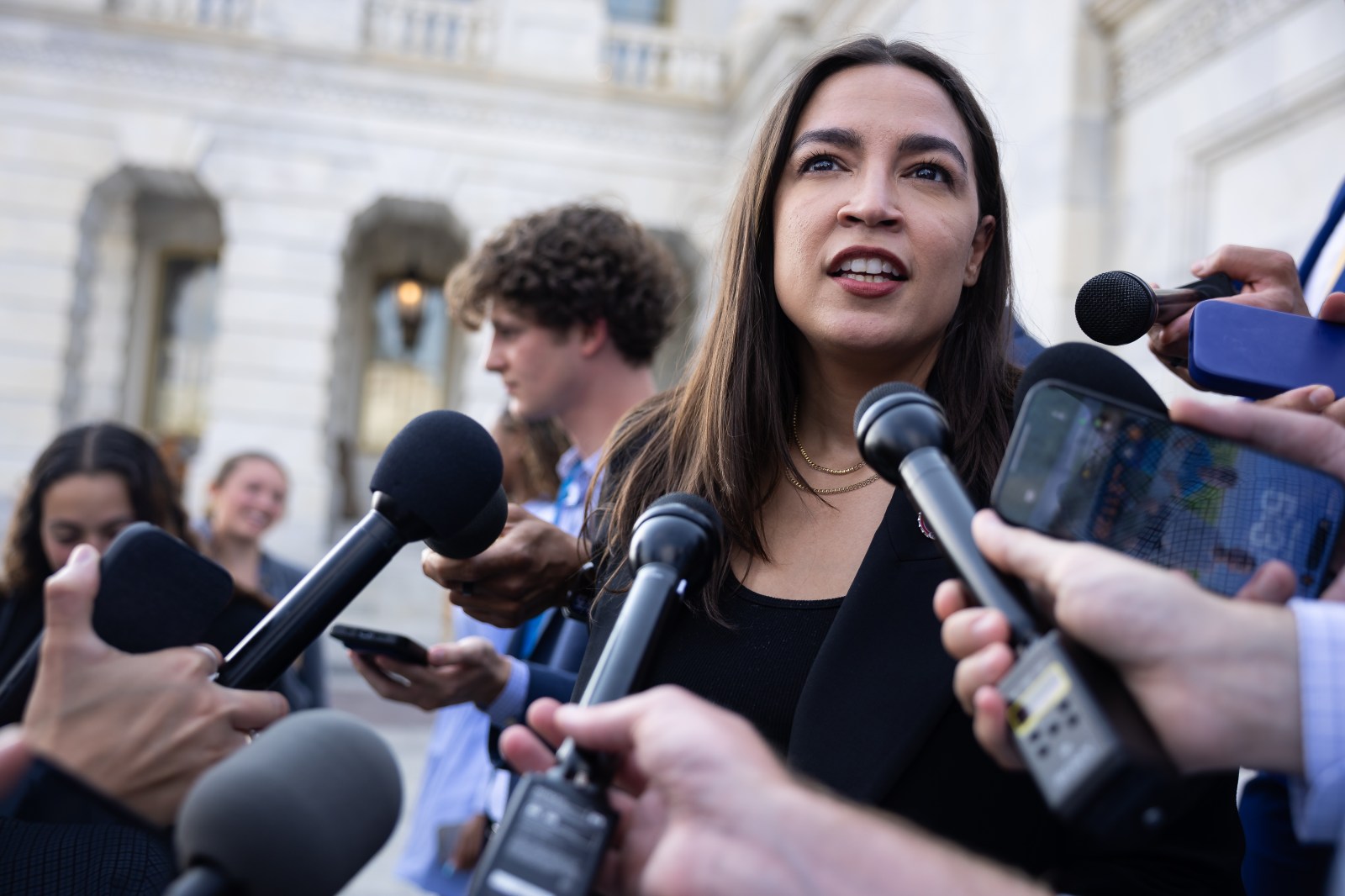
Views differ on whether progressive candidates like Representative Alexandria Ocasio-Cortez could struggle or capitalize on a split moderate vote in a crowded field. The first presidential primary carries significant influence, impacting media attention, fundraising, and voter perceptions of viability.
Historical Context and Reasons for the Change
South Carolina’s prominence in the presidential calendar began after President Joe Biden advocated for starting the nomination process in a state representing the party’s diverse coalition. Supporters argue South Carolina amplifies Black voters’ voices—crucial for the Democratic Party’s national strategy. Detractors assert that Nevada’s racial diversity and swing state status are also compelling.
Conservative commentator Meghan McCain believes the move complicates the path for democratic socialist candidates, while political scientist Craig Agranoff emphasizes the necessity of connecting with South Carolina’s influential Black electorate.
Potential Benefits for Progressive Candidates
Not all believe South Carolina’s status disadvantage progressives. Political scientist Grant Reeher notes that primaries attract highly engaged voters with strong ideological views, potentially benefiting progressive candidates. Outsider candidates like Pete Buttigieg previously thrived in crowded fields, suggesting similar opportunities might arise.
The possibility that multiple candidates might divide support among Black voters could allow an insurgent candidate to succeed, as noted by former Meet the Press moderator Chuck Todd. Jonathan Martin of Politico highlights the importance of candidates consolidating Black support alongside appealing to white Democrats.
New Hampshire’s Legal Position
Despite DNC efforts, New Hampshire maintains its first-in-primary status due to state law requiring its primary to occur seven days before any similar contest. This law has produced conflicts with DNC calendars, as seen in 2024 when New Hampshire held its primary before the official schedule without full party recognition. The unresolved conflict is likely to persist in 2028 unless state lawmakers amend the law.
Prospective Democratic Socialist and Progressive Candidates
Alexandria Ocasio-Cortez emerges as a leading democratic socialist candidate in 2028, promoting policies on healthcare, climate action, labor rights, and tax reforms. Her campaign would test her appeal beyond progressive circles to South Carolina’s influential Black electorate.
Senator Bernie Sanders’ significant impact on progressive politics during the 2016 and 2020 elections remains, though his participation in 2028 is unlikely due to age. If Sanders steps aside, focus may shift to Ocasio-Cortez and other young leaders.
Other figures like Representative Rashida Tlaib, Representative Greg Casar, and New York City Mayor Zohran Mamdani embody progressive or democratic socialist ideals, despite limited presidential aspirations.
Broader Progressive Influences
The Democratic Party’s progressive wing is diverse, attracting center-left Democrats interested in healthcare, economic opportunity, climate policy, and government reform. Candidates like Buttigieg, JB Pritzker, Gavin Newsom, and Wes Moore may appeal across ideological lines.
The size of the candidate pool could affect a democratic socialist’s momentum. A fragmented moderate base may enable a progressive candidate to succeed with plurality votes in early contests.
Insights from Political Analysts
Analysts suggest the revised primary calendar benefits candidates who can unite various party factions rather than rely solely on ideology. The ultimate impact depends on candidate decisions and the primary field’s size.