
Measles has reemerged as a persistent public health challenge in the U.S. over the past two years. The spread continues unabated. As of July 22, a Johns Hopkins University tracker compiling local and state health data reported 2,295 confirmed measles cases.
This figure exceeds the 2025 numbers, which totaled 2,286 cases nationwide. Concentrated outbreaks have worsened in areas like Pennsylvania, South Carolina, Florida, Virginia, Utah, Texas, and Arizona. In 2025, Texas faced the largest outbreak with 803 cases throughout the state.
In a recent CDC measles update from July 17, there were 34 new outbreaks reported in 2026, compared to 48 outbreaks in 2025. Most cases were associated with local outbreaks, while some were linked to international visitors.
Data shows that both this year and last year, 93% of measles patients were either unvaccinated for measles, mumps, and rubella (MMR) or had unknown vaccination status. Most cases occurred in children and young adults aged 5 to 19. No deaths were reported in 2026, but three occurred in 2025.
Measles spread occurs through direct contact with infectious droplets or airborne exposure when an infected person breathes, coughs, or sneezes. The virus remains infectious in the air for up to two hours after an infected person leaves an area.
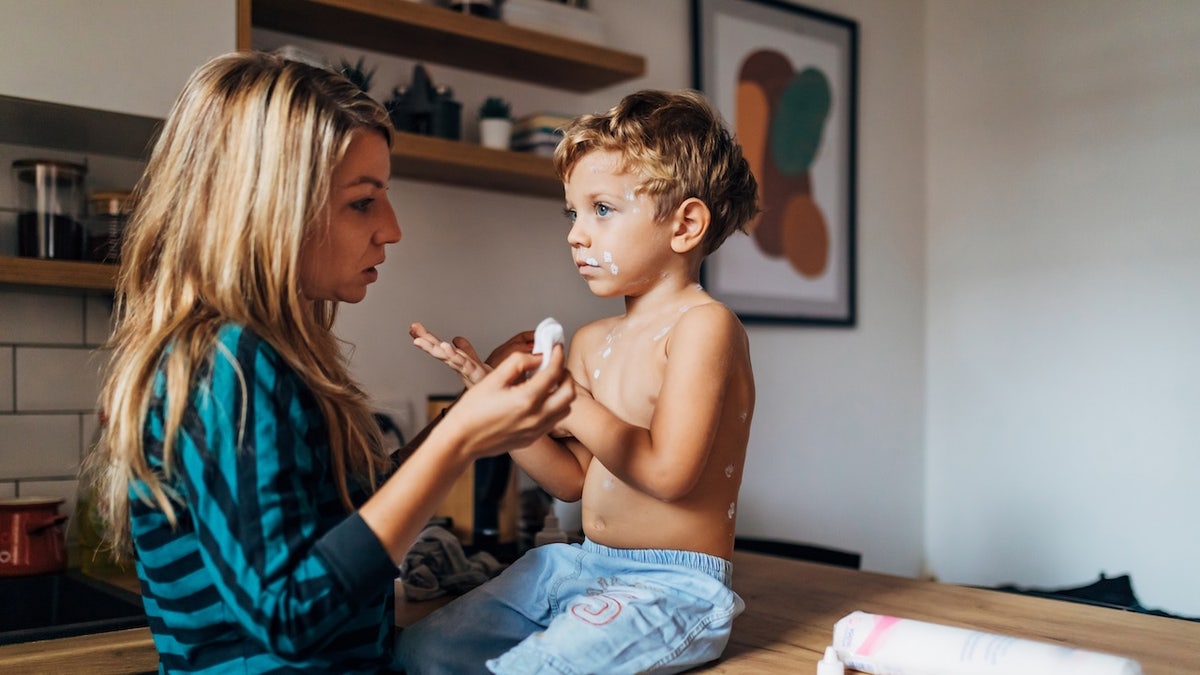
Symptoms typically appear within a week or two and may include high fever, cough, runny nose, and red, watery eyes. A few days later, flat, red spots appear on the face and spread to the rest of the body. People are most contagious four days before and four days after the rash appears.
Community Protection
Dr. Marc Siegel, Fox News senior medical analyst, emphasized the highly contagious nature of measles. “Measles is so contagious that up to 90% of susceptible people exposed to an infected person will become infected,” he explained. The doctor stressed the importance of community protection, advocating for a 95% vaccine coverage rate to ensure herd immunity.
The herd immunity threshold is a mathematical estimate based on a disease’s contagion level and immunity effectiveness from vaccination or prior infection. According to Siegel, two-dose vaccination is nearly 100% effective, and natural immunity after a measles infection is generally lifelong.
He added, “This isn’t about personal choice, it’s about community protection. We need to protect those who can’t have a live virus vaccine due to immunocompromised conditions or pregnancy.”
Siegel warned that the U.S. risks losing its measles elimination status, as the number and duration of outbreaks suggest sustained local transmission rather than isolated cases linked only to international travel.
The CDC recommends everyone receive two doses of the MMR vaccine, stating that vaccination is the best protection against measles. Individuals showing symptoms or suspect exposure should self-isolate and contact their doctor before visiting a medical center to prevent further infections.
Source: Johns Hopkins, CDC