
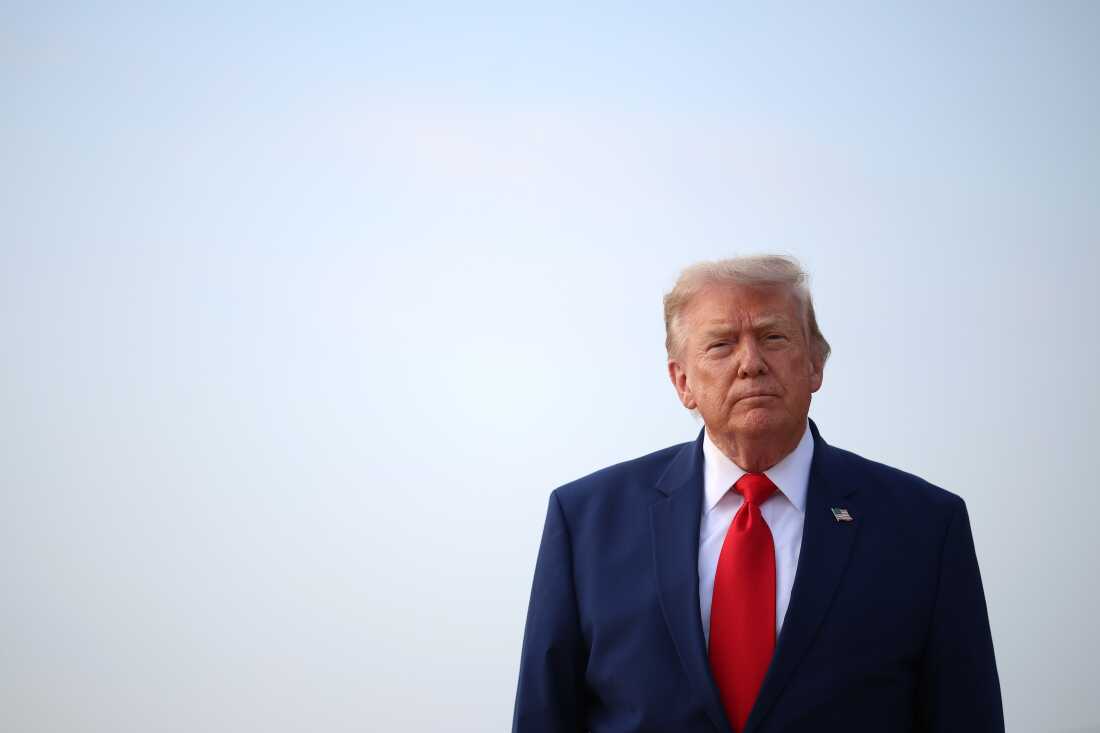
U.S. President Donald Trump shows determination to continue imposing tariffs despite the Supreme Court’s recent ruling against his preferred legislative route. At a White House press briefing on February 20, Trump expressed his anger over the court’s decision and vowed to pursue alternative methods to implement tariffs, citing various laws that can authorize the policy. The administration has replaced a previous global tariff with new tariffs affecting the U.S.’s largest trading partners, including the European Union, due to allegations of forced labor practices.
A 10 percent global tariff expired recently, each replaced by new tariffs with tiers of 10 and 12.5 percent on imports from the U.S.’s top 60 trading partners. While not every country faces tariffs, the new measures cover over 99% of imports to the U.S., exempting certain categories like energy and food products. The administration’s determination to combat forced labor prompted these new tariffs, which have attracted criticism from figures like Sen. Ron Wyden, accusing the administration of ulterior motivations.
While Trump’s use of tariffs has shifted to require investigations, he demonstrated quick action by imposing new tariffs on Canadian goods under a rarely used 1930 law. Negotiations may alter or eliminate these tariffs, yet Trump’s pattern of threatening tariffs often remains unfulfilled. Currently, a section-301 investigation into several countries, including the EU, is underway, with claims of unfair manufacturing practices.
Despite declines in public approval and criticism of tariffs, Trump remains committed to the approach. Manufacturing employment has not experienced the anticipated growth, yet Trump’s administration insists tariffs will eventually yield benefits. This commitment to tariffs reflects a strategy aimed at leveraging trade negotiations and achieving manufacturing gains, even as economic opinions shift.