
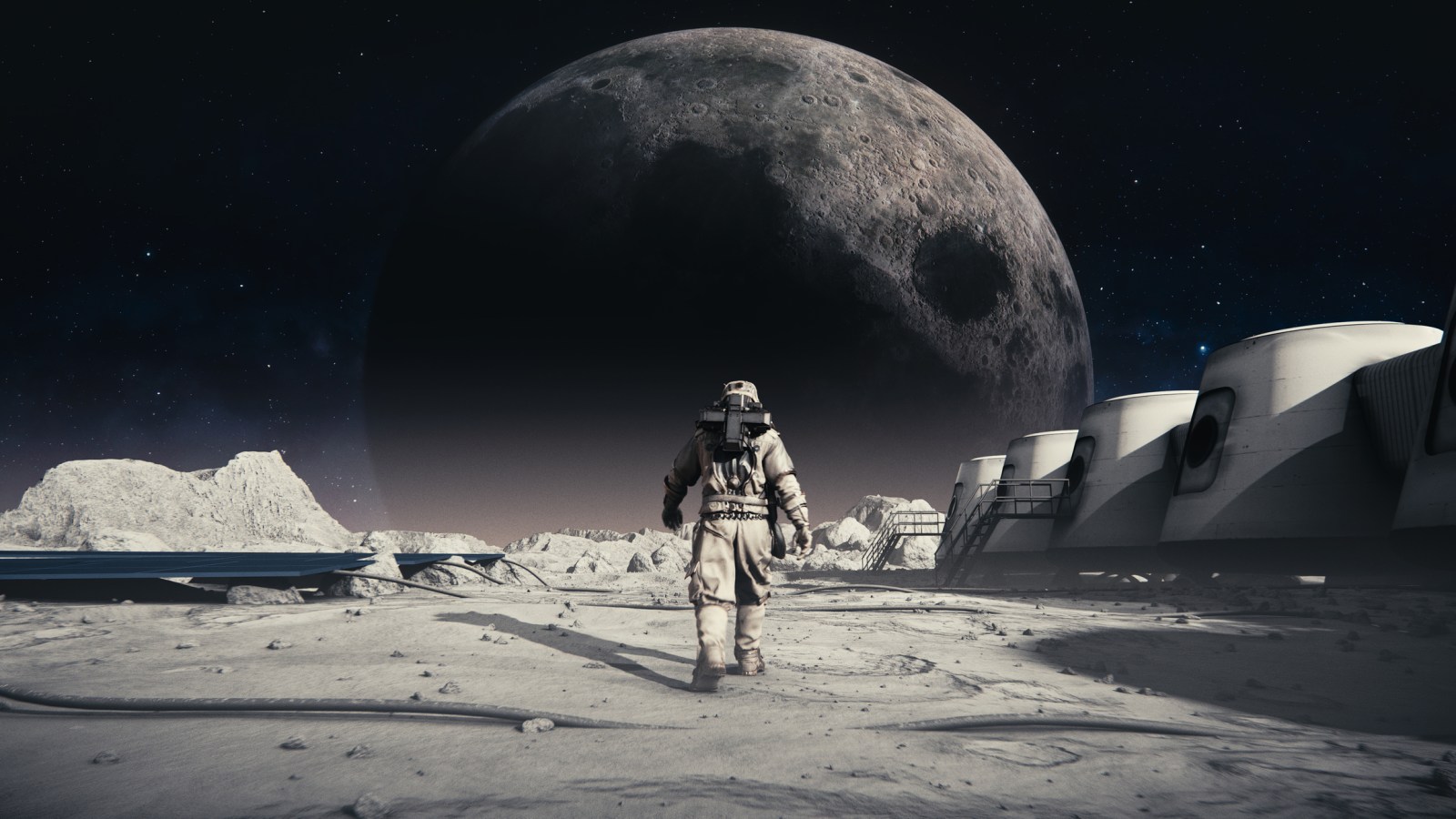
NASA’s goal of establishing a lasting human presence on the moon is becoming increasingly feasible. The space agency has put forward a comprehensive plan for a Moon Base near the lunar South Pole. This plan’s third and final phase focuses on achieving a ‘sustained human presence’ on the lunar surface. This phase marks the beginning of living and working on the moon becoming a concrete reality.
The agency has also announced several partnerships to support lunar exploration, including contracts for lunar terrain vehicles and lunar delivery systems. By the end of June, NASA selected three companies tasked with landing four new missions on the moon by late 2028. As initiatives gain momentum, experts share insights on how future lunar settlements might differ significantly from cities on Earth.
Design and Construction of Lunar Settlements
George Sowers, a professor at the Colorado School of Mines with experience on the NASA Advisory Council, explains that constructing tall structures on the moon using lunar materials is feasible. The absence of atmospheric and seismic challenges, such as hurricanes, high winds, and earthquakes, makes the moon a unique environment for construction.
Hao Chen, an assistant professor at Stevens Institute of Technology, suggests that a lunar skyscraper would function as a highly practical habitat. Such structures would likely employ modular designs utilizing local materials like processed lunar regolith. Despite the reduced gravity, which provides more architectural freedom, the focus remains on life-supporting systems. Essential components include pressure containment, oxygen and water supplies, thermal regulation, and radiation shielding.
The Case for Subterranean Cities
Despite potential advantages of tall structures, several experts argue for underground settlements due to the moon’s harsh radiation environment. The moon lacks natural protection from space radiation, unlike Earth. Sowers proposes using giant lava tubes, which are vast underground tunnels from ancient volcanic activity, as an ideal solution. These lunar lava tubes offer natural shielding from radiation because they are larger than those on Earth due to lower gravity.
Architect Scott Specht supports the idea of underground living. The moon’s geography, with its lava tubes and caves, favors subterranean habitats. These spaces protect residents from radiation and maintain stable temperatures compared to the lunar surface’s temperature extremes.
Nathan Silvernail, co-founder of Plantd and former SpaceX engineer, also predicts subterranean lunar cities. Future construction may depend on processed regolith materials and potentially nuclear power systems to manage atmosphere and energy needs. Silvernail suggests creating building materials from regolith and using machinery to produce them for constructing necessary infrastructure.
Potential Impact on Earthly Architecture
Technological advancements for lunar survival could influence architecture on Earth. Chen emphasizes the potential impact of treating buildings as self-sufficient ecosystems, where resources like air and water are precious. Techniques like autonomous robotics and zero-waste systems developed for the moon could address resource challenges on Earth.
Specht highlights that the lunar experience might teach architects to focus on interior design. In a buried lunar habitat, views and facades are absent, requiring well-crafted interior spaces. This approach could benefit architectural practices on Earth by encouraging more thoughtful interior planning.