
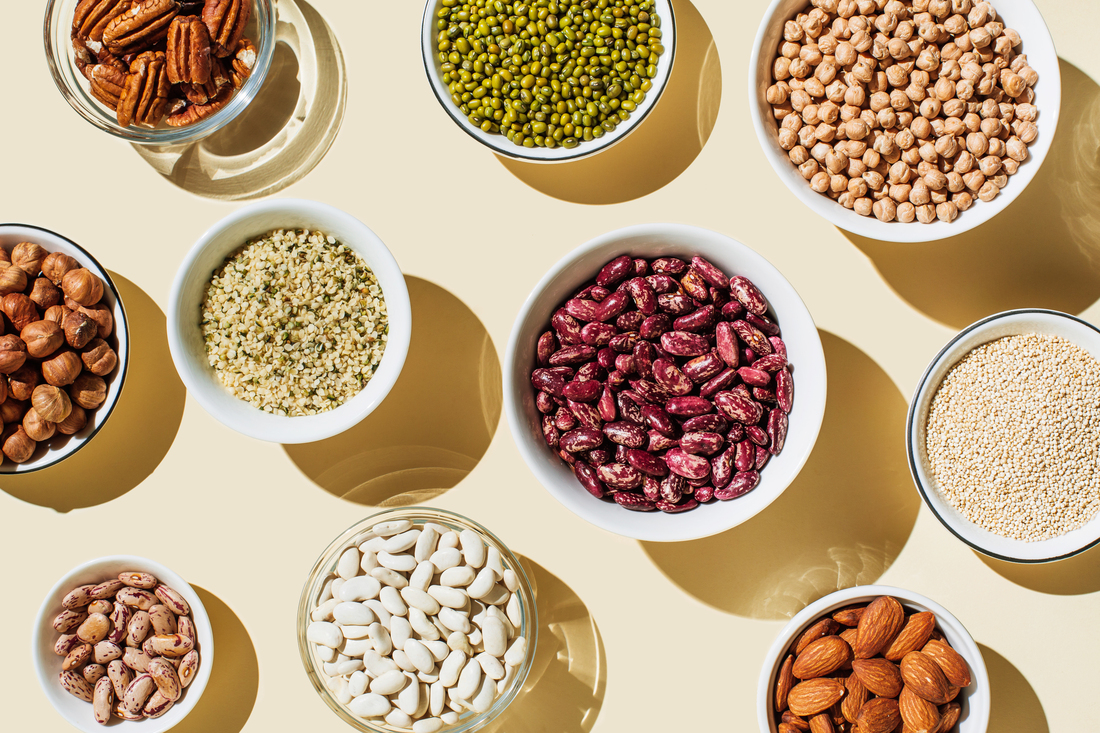
Fiber plays a crucial role in maintaining good health. Often overlooked, fiber supports digestive health and offers other benefits such as controlling blood sugar levels, reducing cholesterol, and decreasing inflammation. Fiber also serves as the primary fuel for the vast array of microbes living in your gut. These microbes ferment fiber, producing beneficial compounds that positively affect your overall well-being.
Expert Advice on Increasing Fiber Intake
To understand how to integrate more fiber into daily meals, insights were gathered from experts. Hannah Holscher, a researcher focused on nutrition and gut health at the University of Illinois, and Justin Sonnenburg, a researcher at Stanford University and author of The Good Gut: Taking Control of Your Weight, Your Mood, and Your Long-Term Health, shared their recommendations.
1. Diversify Your Fiber Sources
Enhance your fiber intake by consuming a variety of plant-based foods. This includes fruits, vegetables, whole grains, beans, seeds, and nuts. Examples like sweet potatoes, avocados, pears, and barley not only provide fiber but are also rich in essential vitamins and minerals.
2. Revise Your Salad Choices
Transform your salads into fiber-rich meals by replacing iceberg lettuce with cabbage or kale. Boost the fiber by adding artichokes, roasted Brussels sprouts, or chickpeas.
3. Enhance Your Meals
Integrating fiber into meals can be simple. Consider adding avocado slices to sandwiches, enjoying air-popped popcorn, or mixing chia seeds into yogurt. Using kale or nuts as toppings enhances fiber content substantially.
4. Prioritize High-Fiber Foods
Consult the U.S. Department of Agriculture chart for high-fiber options. A half-cup of artichokes or a cup of cooked sweet potatoes provides significant fiber.
5. Explore the Freezer Section
Frozen fruits like raspberries and blackberries offer economical fiber sources. Artichokes and spinach can be sautéed as a delicious addition to meals.
6. Gradual Changes
Introduce fiber slowly to prevent digestive discomfort. For instance, start replacing white bread with whole grain, gradually increasing the frequency each week.
7. Monitor Reactions
Track how your body responds to different fiber-rich foods; individual tolerance levels vary. Adjust your diet accordingly to avoid discomfort.
8. Stay Hydrated
Ensure adequate water intake as you increase fiber. Water aids in digestion and helps prevent possible issues like gas or constipation.
For insights on the impact of fiber on gut health, you can listen to the related podcast episode. Feedback is welcome via voicemail or email as listed in the contact section.