
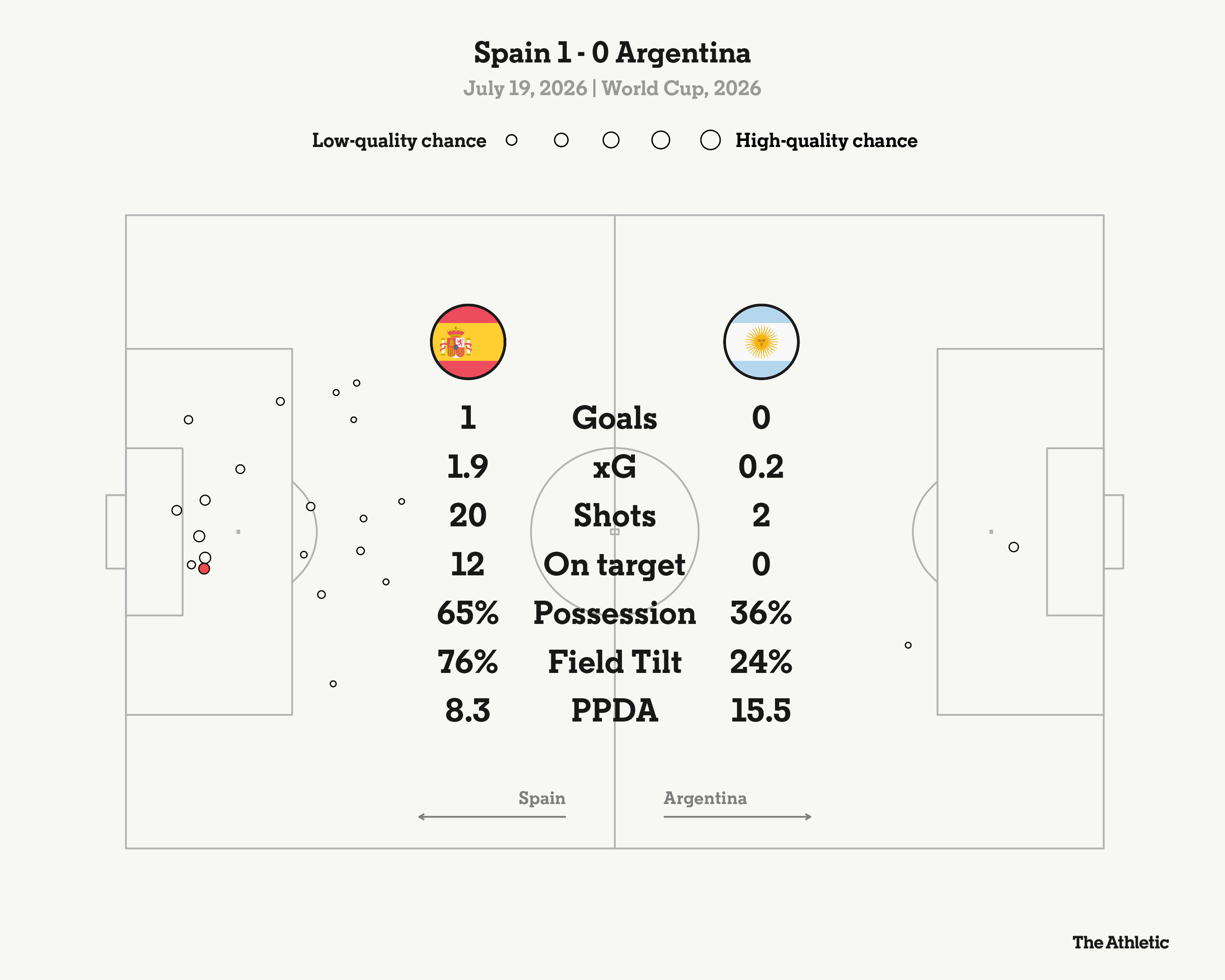
Spain’s Victory Over Argentina
Spain captured their second World Cup title on Sunday, defeating Argentina in extra time. Ferran Torres emerged as the hero, scoring in the 106th minute to secure the win. The game mirrored Spain’s previous World Cup victory in 2010, where they also clinched the title in extra time.
Torres’ decisive goal stopped Argentina, led by Lionel Messi, from achieving consecutive World Cup victories. The match, held at MetLife Stadium in New Jersey, saw Messi have his least impactful performance, with minimal touches early in the game.
Game Analysis
Spain dominated the match, showcasing superior strategy and execution. Argentina struggled offensively, failing to make significant attempts in the first half. The game was marred by a lengthy half-time show, which disrupted its flow.
Spain showcased relentless pressure, probing Argentina’s defenses incessantly. Despite Argentina’s attempts to slow the game, Spain’s persistence paid off with Torres’ goal.
Spain’s victory was well-deserved due to their consistent playing style and strong defense, which conceded only one goal throughout the tournament. Their triumph mirrored their 2010 victory, as they again overcame aggressive opponents and celebrated an extra time win.
Messi’s Quiet Performance
Messi’s attempt at a memorable World Cup finale was thwarted by Spain’s control. Despite a moment of anticipation in regular time, he couldn’t influence the game as much as in prior matches.
During his career, Messi has saved Argentina with remarkable performances. Yet, this time, Spain’s dominance starved him of opportunities, leaving him unable to effect change.
Post-Match Events
The aftermath of the final was marred by unsportsmanlike conduct. Celebrations by Spain were interrupted by confrontations triggered by Argentina players, resulting in a series of altercations involving notable players from both teams.
Impact of Fernandez’s Red Card
Enzo Fernandez’s dismissal for a second yellow card significantly hindered Argentina. His reckless actions had a strategic impact, changing Argentina’s shape and leaving them with fewer options. Spain capitalized on this, seizing greater control and scoring the winning goal.
Referee Decisions
The match featured intriguing referee decisions. Despite an aggressive play style from Argentina, early leniency by the referee Vincic meant foul play went largely unpunished initially. Fernandez’s actions eventually earned him a red card, highlighting Vincic’s approach to maintaining control.
Controversial refereeing decisions included leniency towards Mac Allister’s tackles and Tagliafico’s challenges, which could have converted yellow cards earlier in the game.
Spain’s Strategy: Neutralize Messi
Spain effectively nullified Argentina’s threat by restricting Messi and maintaining possession. Their relentless pressure suffocated Argentina, preventing their talisman from influencing the game while maintaining a high defensive line to stifle any Argentine breakthroughs.
Rodri: Spain’s Key Player
Rodri’s performance throughout the tournament was critical for Spain’s success. He demonstrated exceptional passing and pressing abilities, cementing his influence during the final.
Rodri’s composure and tactical intelligence were essential for Spain maintaining control and dominance over the game.
25-Minute Half-Time Show Concerns
A lengthy half-time show featuring various performers disrupted the match’s momentum, raising questions about its necessity. While entertaining, the extended break detracted from the game’s flow, unlike typical 15-minute intervals.
The show, resembling a Super Bowl spectacle, included numerous artists but diverged from traditional football-focused celebrations. It highlighted a cultural shift in event presentation but detracted from the game’s focus.