
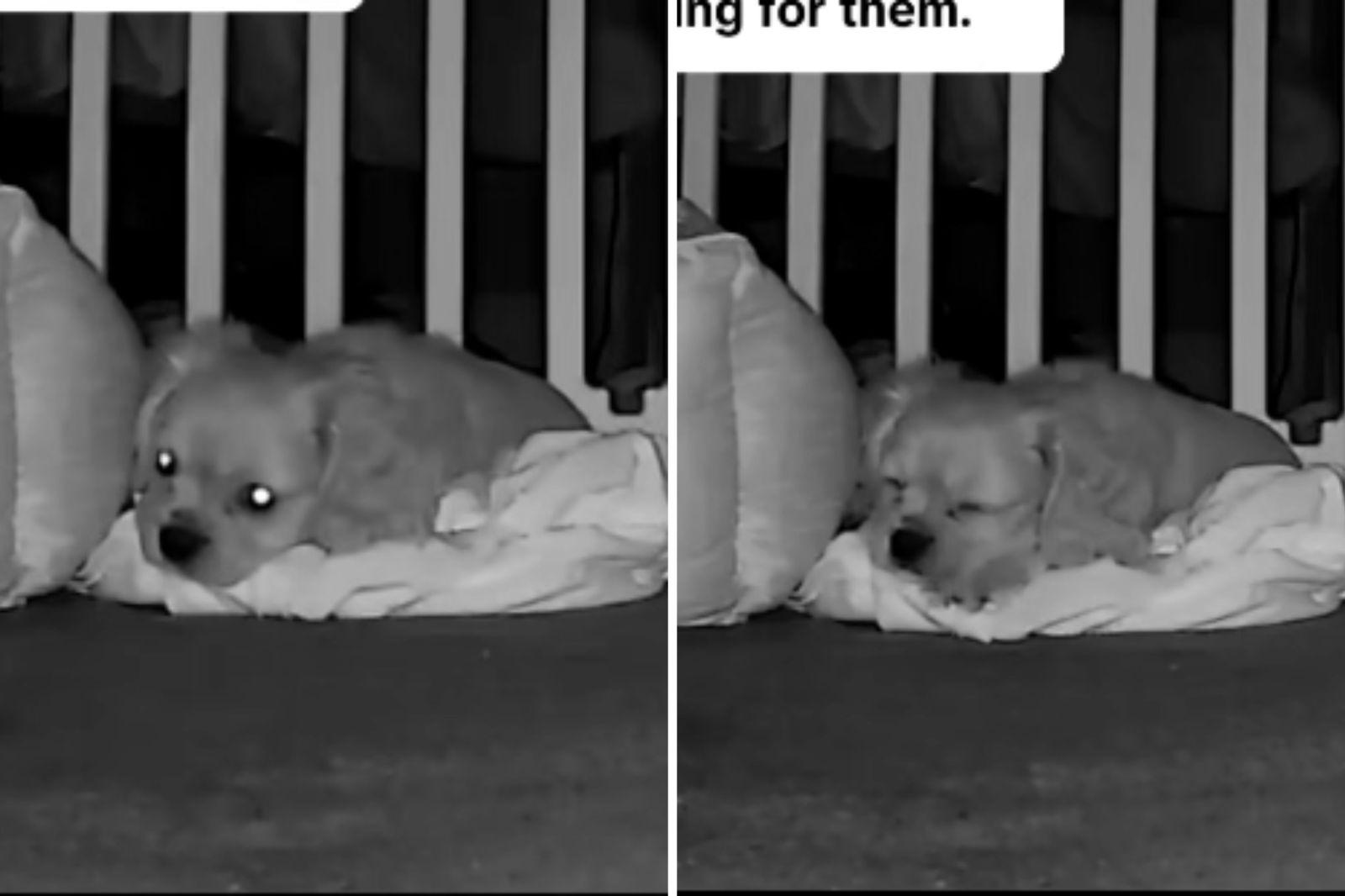
A familiar scent can provide comfort for dogs left at home alone, but focusing solely on comfort items may overlook crucial aspects of building a dog’s independence. Emily Ryan discovered this during her experience with Lady, her Cavalier King Charles spaniel puppy. By leaving her worn T-shirt behind, Lady seemed reassured during alone times, as observed through a pet camera. This common tactic among pet owners aims to alleviate separation anxiety.
Chris Edge, founder of K9Edge Dog Training, advises that comfort items like scented clothing should be part of a broader strategy. While such items may hold value, the emotional association with them plays a vital role. According to Edge, reliance solely on objects might not address underlying separation challenges.
A shirt’s comfort is achieved through association, not the scent itself.
When Lady first joined Ryan’s family at eight weeks old, separation from her family affected her behavior. Ryan observed that Lady would cry, scratch, and attempt to dig out of her pen. This behavior was consistent during Lady’s adaptation period. Initially, Ryan tried transferring Lady to her pen post-sleep, but the pup reacted negatively upon waking.
Focusing on creating a secure space with toys, a bed, and other comforting items, Ryan further embedded her scent into Lady’s environment—using clothing like her T-shirt. Gradually, Lady associated the shirt positively, enhancing her comfort during alone time.
Association: The Foundation of Comfort
The automatic comfort derived from scent is a misconception. A dog associates comfort with experiences linked to the object. Consistent positive experiences can lead to a reassuring cue, whereas negative predictions may occur if an item routinely signals an impending stressful period.
Edge highlighted that objects, including crates, gates, and special treats, themselves don’t guarantee comfort—it’s the association dogs build around them.
Independence: Building Before Separation
One of the most common mistakes owners make is concentrating only on the moment of departure. Edge believes training should prepare dogs for moments of crisis—not just during those moments.
Focus on teaching calm behavior, independence, relaxation, and predictable routines.
Practicing these foundational skills before extended absences helps dogs perceive time apart as safe and manageable.
Integrating Comfort Items into Broader Strategies
Comfort items can aid coping when part of a larger approach aimed at security and independence. Pairing them with relaxation rather than panic helps reinforce calming cues.
Ryan noted Lady’s continued improvement within her home routine, sleeping mostly through the night, with occasional breaks. Lady stays in her pen temporarily but Ryan plans to increase her freedom gradually, such as allowing her puppy to sleep on the bed eventually.
Edge emphasized the long-term goal: not finding a ‘perfect’ comfort item but fostering emotional resilience and confidence in dogs.
Understanding our impact helps support dogs’ lifelong independence.
Lady’s adjustment journey included incorporating comforting objects into a broader routine. Edge advises that the overarching aim is helping dogs feel secure before periods of isolation.