
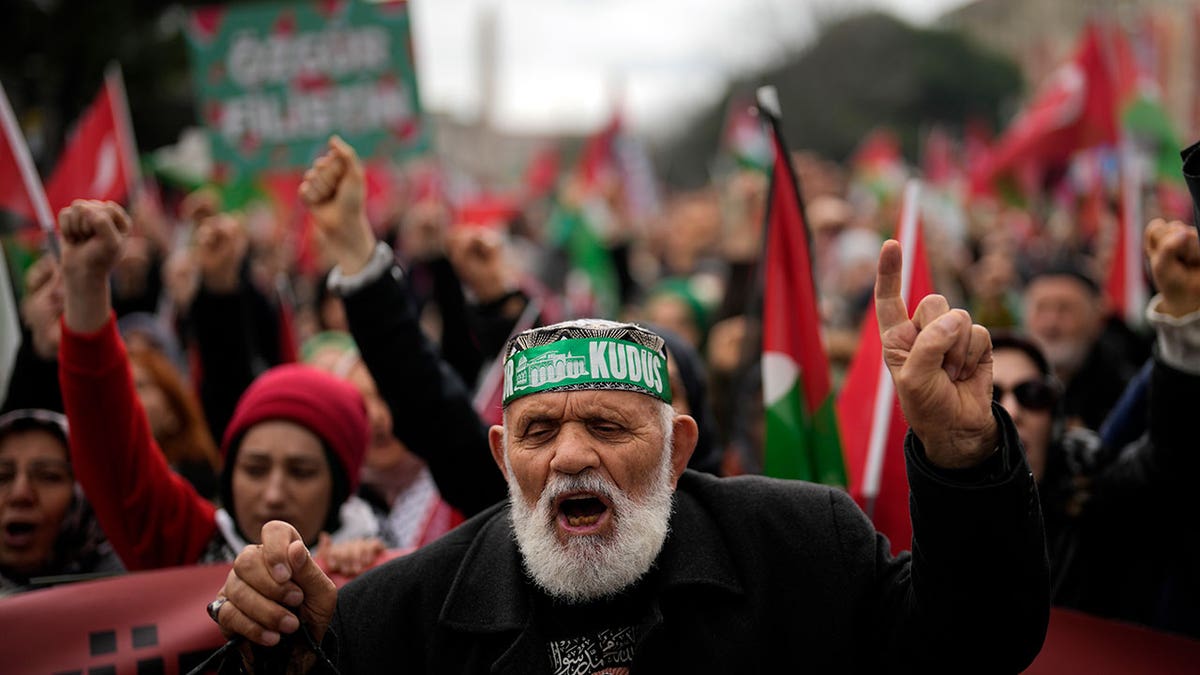
Amid global concerns like the Ukraine conflict and NATO’s defense strategies, a pressing issue at the Ankara summit has emerged: antisemitic remarks by Turkish leaders. The strained relations between Turkey and Israel have reached new depths.
Tense Relations
In an interview, Turkish Foreign Minister Hakan Fidan criticized Israel, saying it has become a burden on humanity, according to The Jerusalem Post. Fidan called on other countries to pressure Israel, labeling it a common problem for humanity, reported Israel National News.
“A burden that humanity can no longer bear,” said Fidan about Israel.
Israeli Foreign Minister Gideon Sa’ar responded, accusing Fidan of issuing a call for genocide. Sa’ar noted, “The Jewish people know what happens when such words go unchallenged. The path to genocide often starts with dehumanization.”
Historical Context
Sinan Ciddi of the Foundation for Defense of Democracies described Fidan’s statements as some of the harshest since the Holocaust. Ciddi explained that Turkey’s anti-Israel narrative dates back to 2008, with President Recep Tayyip Erdoğan worsening relations. The situation worsened after October 7.
Although Erdoğan condemned antisemitism recently, his rhetoric and that of other officials remain critical of Israel. For instance, the Turkish Interior Minister talked about witnessing Jerusalem’s liberation in June, as stated by the Times of Israel.
Continued Criticism
In the past, Erdoğan labeled Israelis as murderers, saying they were “satisfied by sucking their victims’ blood.” The State Department condemned this as antisemitic. Further accusations in May 2025 described Israel as “a terror state,” according to Israel National News.
A Pew Research poll found 91% of Turkey’s population held very unfavorable views of Israel, highlighting the widespread sentiment.
International Response
When questioned on addressing Turkey’s antisemitism, a State Department spokesperson emphasized the complex but valued relationship with Turkey, a NATO ally. Ciddi mentioned potential diplomatic actions, stating the president could demand an apology or the State Department could respond officially.
Ciddi warned that as the NATO summit concludes in Ankara, Turkey might attempt to highlight itself as a leading NATO ally, potentially glossing over human rights issues. He stressed the importance of holding member states accountable for their actions.
The Turkish Embassy in Washington, D.C., didn’t comment on the matter. Beth Bailey provided additional insights on global antisemitism and conflict regions.