
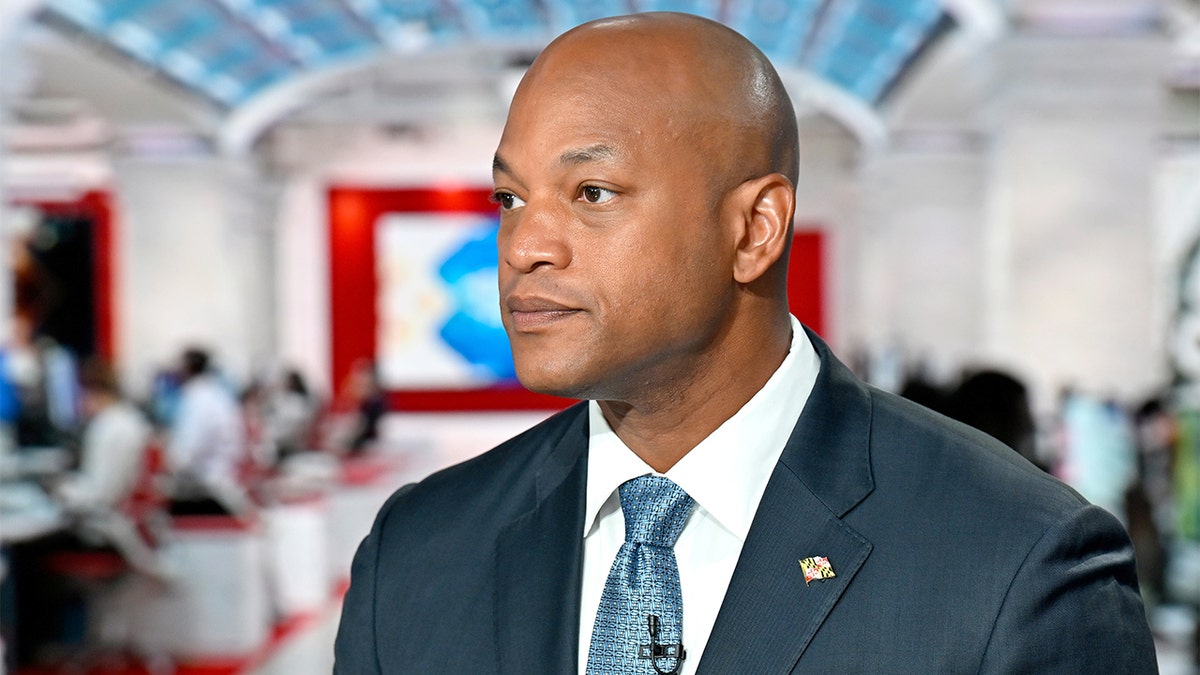
Maryland Democratic Governor Wes Moore expressed approval of former President Donald Trump’s new child investment accounts during a recent interview. He praised the policy for its potential to reduce child poverty and address the racial wealth gap, though he had strong criticisms of other parts of Trump’s agenda.
While speaking on “The Clay Cane Show” podcast, Moore acknowledged the Trump administration’s success in implementing a policy likened to baby bonds. “I will give this administration credit for this,” Moore stated, highlighting that previous administrations had failed to accomplish such a policy. He described it as a smart initiative.
He compared the accounts to baby bonds, a long-standing demand of Democrats and progressives. Moore reinforced his agreement with the initiative, emphasizing that it provides children a financial asset that increases in value over time.
Moore suggested that baby bonds could significantly help alleviate child poverty and narrow the racial wealth gap by giving children an asset that grows and matures, offering economic mobility.
The governor specified his appreciation was solely for the savings accounts. He disapproved of other aspects of the “Big Beautiful Bill” or H.R. 1, criticizing its tax cuts for billionaires and private plane owners. Moore argued that while the accounts benefit children, other H.R. 1 policies have negatively impacted efforts to address the racial wealth gap.
When asked if baby bond proposals resemble socialism, Moore dismissed this notion. He stated, “It’s about making capitalism work for everyone.” Moore advocates a capitalism that is inclusive, promoting pathways to work, wages, and wealth.
He highlighted the accounts as a means for youth to gain from the stock market’s growth and reiterated his readiness to collaborate with any administration benefitting Maryland, while opposing policies he considers detrimental.
The IRS clarified that Trump Accounts cater to children under 18 with valid Social Security numbers, including a $1,000 pilot contribution for U.S. citizen children born between 2025 and 2028. Contributions were set to begin in July 2026, with a cap of $5,000 per year. These accounts will be invested in broad stock-market index funds, with restrictions on withdrawals until age 18.