
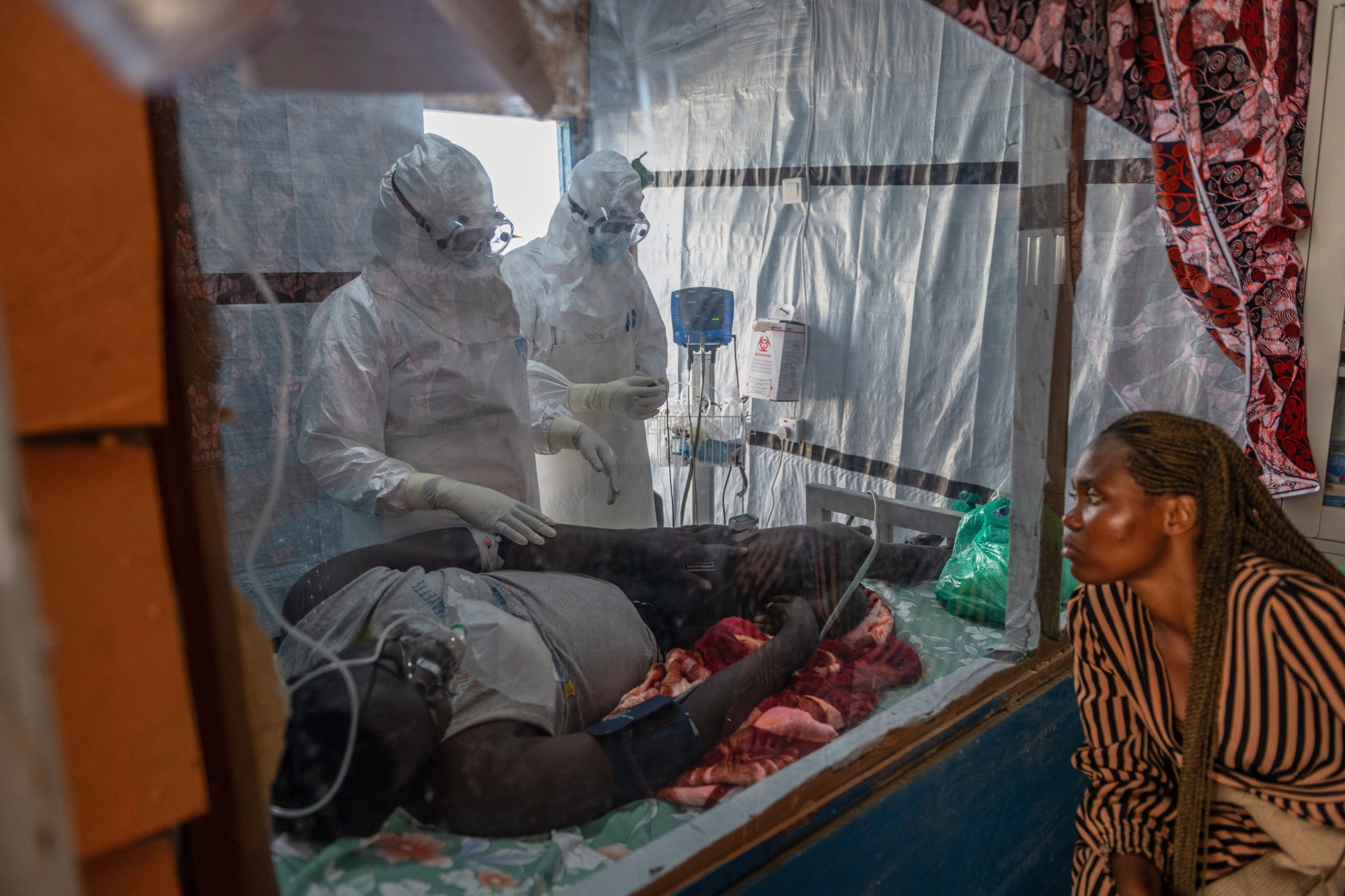
Ebola continues to pose a severe threat in the Democratic Republic of Congo and Uganda with 1,561 confirmed cases and numbers rising. Local healthcare systems remain overwhelmed, resulting in more than 500 deaths since the outbreak began in May. Health workers in Ituri, the core area of the outbreak, are considering strikes due to inadequate resources and unpaid wages. Of the 75 infected, 17 healthcare workers have died. Moise Bulabantu, a community nurse, expressed deep concern by stating, We don’t have protective equipment. We’re extremely afraid.
No current treatments or vaccines exist for the Bundibugyo ebolavirus. Effective leadership is essential to manage this growing crisis. President Trump highlighted Operation Warp Speed as a successful response to COVID-19, showcasing the potential impact of presidential involvement and quick action. This new viral threat requires similar urgency to prevent more extensive and deadlier consequences.
Under Trump’s leadership, the U.S. has taken steps to help. A new experimental treatment is under testing by the World Health Organization. There is an opportunity to make a lasting difference by deploying modern healthcare facilities to support and protect healthcare workers. Each Ebola Treatment Unit accommodates 100 patients and was crucial in the 2014 outbreak resolution. Implementing quick-build healthcare facilities, potentially by the U.S. military, would not only safeguard Americans but demonstrate rapid, effective intervention capabilities.
Deploying mobile units constructed by military could reduce direct exposure risks. Such operations can quickly bring these facilities to needed areas. The success of this intervention, crucial to Trump’s potential Nobel recognition, could be gauged by a declining case rate. The effort would underscore global humanitarian leadership aligned with the America First policy, highlighting U.S. efficiency in combating health crises. According to Benjamin L. Sievers, an Oxford-Cambridge NIH scholar, taking decisive actions could greatly influence the outcome.
It remains crucial for deployed units to manage isolation and treatment efficiently to reverse the spread. Engaging military resources for non-contact field hospital setups could measurably impact case frequencies within months, aiming for significant improvement in public health and global peace efforts.