
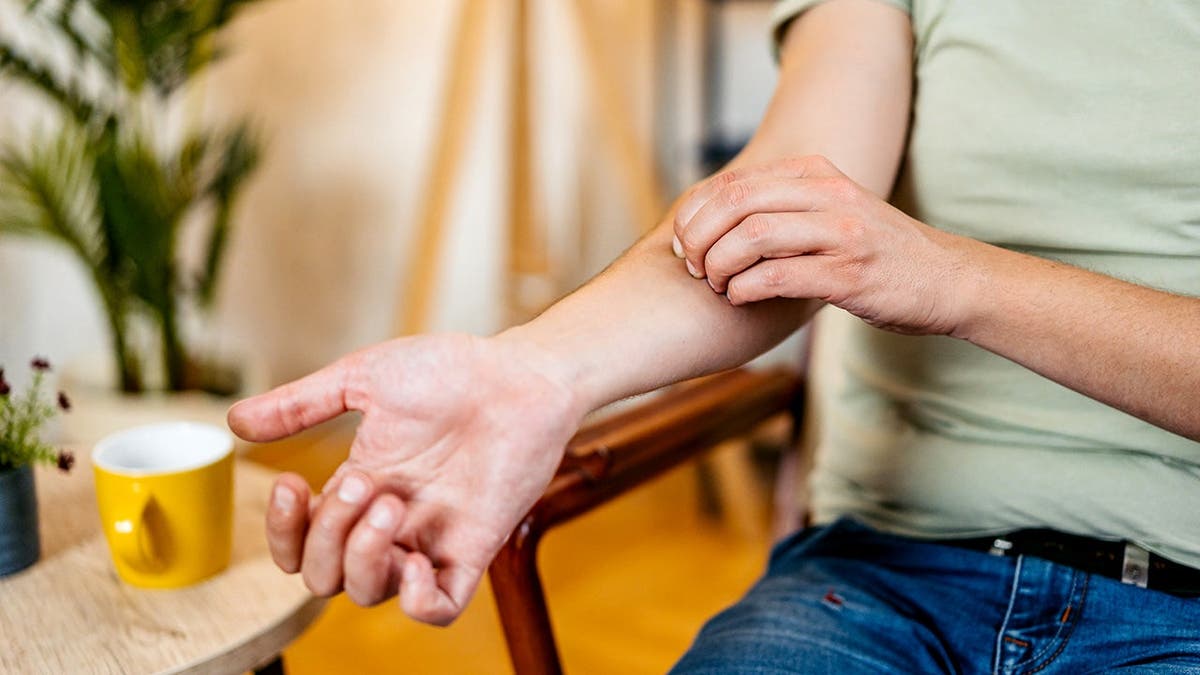
Scratching a bug bite or rash may feel irresistible, but researchers have found that it provides only temporary relief and can worsen the condition. When you scratch, it leads to increased inflammation, which can aggravate diseases such as eczema.
Understanding the Itch-Scratch Relationship
Researchers at the University of Pittsburgh, led by Professor Daniel H. Kaplan, explored why scratching intensifies swelling and whether it offers any evolutionary benefits. They found scratching to be a natural response to skin irritants, yet it remains ‘poorly explored’ as a possible evolutionary reaction.
To investigate further, researchers applied allergens to mice ears, inducing allergic-contact dermatitis, similar to reactions people have to poison ivy or certain metals. This triggered an eczema-like inflammatory response.
Experimental Groups and Findings
Mice were divided into groups: ‘normal’ and genetically modified to lack itch-sensing neurons. Some mice could scratch freely, while others wore collars to prevent scratching.
Scratching was found to activate mast cells, which are crucial in the body’s alarm system, releasing histamine and inflammatory chemicals that cause itchiness. Mice allowed to scratch freely released more substance P, activating more mast cells, causing prolonged inflammation.
Mice prevented from scratching and those lacking itch-sensing neurons experienced reduced inflammation.
As bug-bite season increases, researchers advise against scratching as it just prolongs inflammation.
The Paradox of Scratching
Scratching an itch can help reduce skin bacteria but prolongs inflammation — a paradox.
Science noted that sensing itch and scratching evolved millions of years ago. Mast cells, also involved in protecting against bacteria, led researchers to test if scratching impacts the skin microbiome.
Findings revealed scratching reduced Staphylococcus aureus levels, a bacteria linked to skin infections. Yet, the damage caused by scratching often outweighs bacterial defense benefits during chronic itching.
‘These findings introduce a paradox,’ Kaplan remarked, ‘Scratching feels good but prolongs inflammation. However, it provides a defense against bacterial skin infections.’
Cold compresses and 1% hydrocortisone cream may relieve itching, according to the American Academy of Dermatology.
The researchers published their study in Science last year, contributing to a deeper understanding of the itch-scratch cycle.
Teresa Mull is a freelance writer with Fox News Digital’s Lifestyle team.