
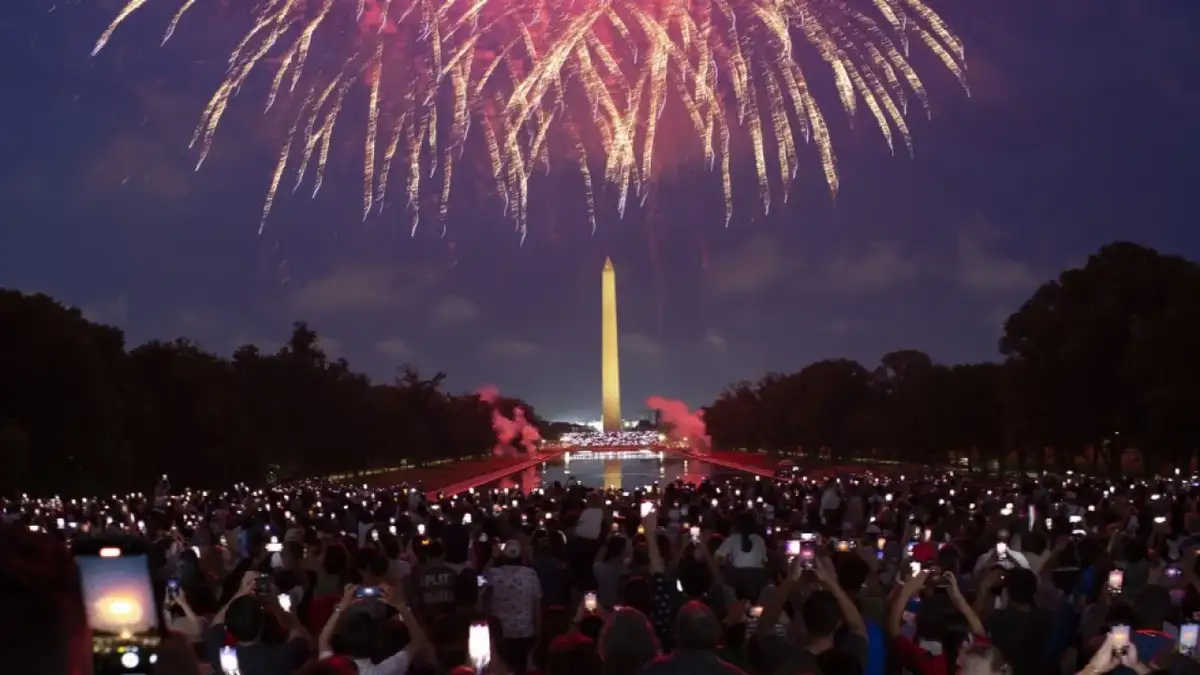
Fireworks have long been a central feature of Fourth of July celebrations across the United States. While these displays light up the night sky, they can also carry significant health risks, particularly to respiratory health.
The American Lung Association reports that nearly 300 million pounds of fireworks are ignited annually in the U.S. This releases smoke laced with tiny particles and harmful gases such as sulfur dioxide, carbon dioxide, and carbon monoxide, which pose serious threats to lung health. Moreover, the smoke can carry dangerous metals including aluminum, manganese, and cadmium. Some illegal fireworks may even contain lead, known for its potential to cause lasting health damage.
“Inhaling these chemicals irritates the lungs, making breathing difficult and leading to serious health issues,” the association has warned, advising the public to avoid firework smoke when possible.
A 2015 study found that air pollution levels tend to rise by an average of 42% on the Fourth of July. This increased pollution can exacerbate conditions in individuals with asthma or chronic obstructive pulmonary disease (COPD). The American Lung Association links fine particle pollution from fireworks to grave health issues like heart attacks, stroke, lung cancer, and premature death. Vulnerable groups include children, the elderly, pregnant women, and those with pre-existing heart and lung conditions.
Dr. Afif El-Hasan, a board director at the Lung Association, offered guidance for those at high risk during fireworks events. He stresses the importance of watching fireworks from a safe distance instead of using them at home. For those with asthma, keeping a rescue inhaler nearby is crucial, as fireworks can trigger respiratory symptoms. Additionally, wearing a well-fitting N95 mask can minimize exposure to harmful particles.
“Selecting an upwind location to view a fireworks display can mitigate exposure,” El-Hasan suggests. It’s also wise to attend with companions who can offer assistance if a medical emergency arises.
Preparation is key. “Ensure you have taken all preventive medications before attending a show,” advises El-Hasan. He recommends parking close to the event venue for easy access to your car in emergencies.
Post-event, drinking water helps to clear the upper airway, and changing clothes upon returning home prevents smoke particles from persisting in the home environment.
In cases of shortness of breath or chest pain, seeking immediate medical care is crucial.
Angelica Stabile is a lifestyle reporter for Fox News Digital.