
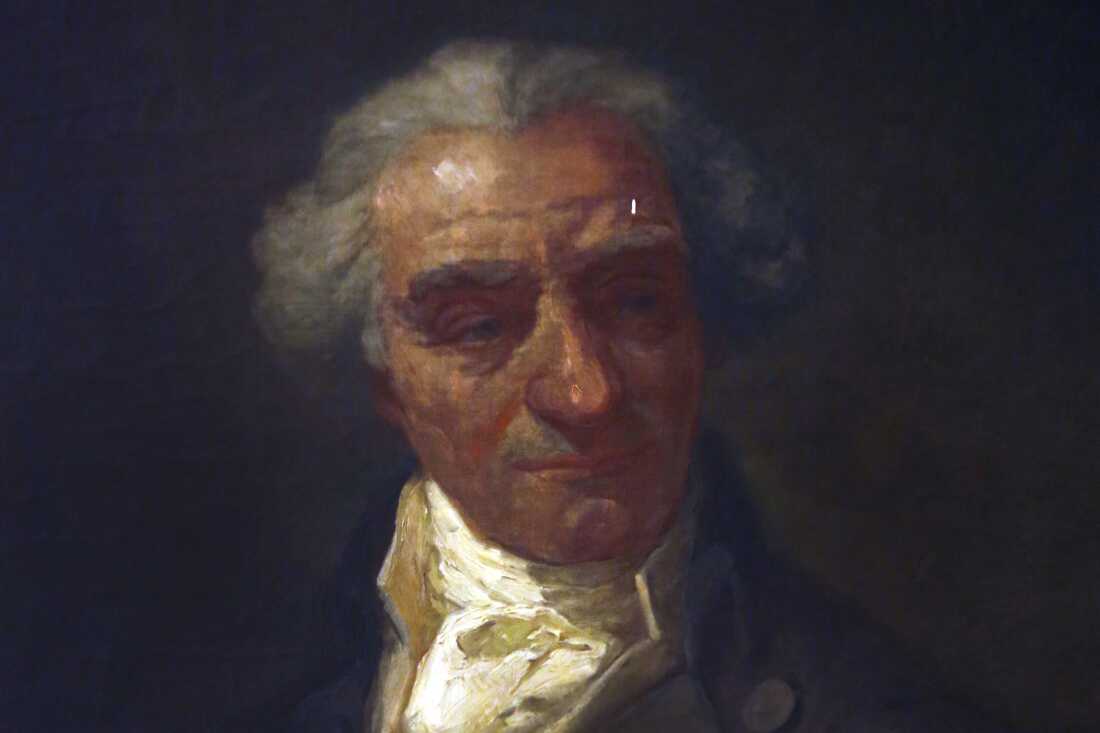
A portrait of Governor Elbridge Gerry adorns a hallway in the State House in Boston. In 1812, Gerry devised a unique redistricting plan, introducing the term ‘gerrymander.’ This article explores the origins and legacy of the word.
Most people recognize Massachusetts patriots like Samuel Adams and John Hancock. Yet, Elbridge Gerry remains relatively obscure, despite his significant contributions to American independence. The term ‘gerrymander’ inadvertently comes from his actions.
Elbridge Gerry, unlike many Founding Fathers, did not sign the Constitution. He objected to its lack of a Bill of Rights at the time. Eventually, these amendments became foundational.
Amidst his political career, Gerry also served as Vice President under James Madison, though he passed away before completing his term. Historian David O. Stewart describes Gerry as fiery, albeit small and slender.
John Adams remarked on Gerry’s tenacity, noting his willingness to engage over trivial matters. Despite his involvement in critical early American history, Gerry didn’t achieve the fame of peers like John Hancock.
Gerry’s name endures through the term ‘gerrymandering,’ which refers to manipulating district boundaries for political gain. This practice remains a contentious issue in U.S. elections.
In 1812, as governor of Massachusetts, Gerry approved a bill creating a district favoring his Democratic-Republican Party. A newspaper cartoon depicted it as a monstrous creature, coining the term ‘Gerry-mander.’
Doug Harper, founder of an etymology dictionary, notes that it was a rare case where a visual spawned a word. Despite its odd appearance, the image became iconic.
While the word roots back to Gerry’s actions, it’s not unique. Other terms born similarly include ‘boycott,’ ‘shrapnel,’ and ‘leotard.’
Harper adds that modern terms like ‘MacGyver’ highlight how words can grow independent of their origins. Similarly, today’s public often misinterprets ‘gerrymander’ as unrelated to Elbridge Gerry.
Historian Stewart reflects that remembrance is uncertain, yet sustaining memory, even indirectly, is a form of acknowledgment.