
The inventions and innovations developed in the United States have significantly influenced modern life. From the lightbulb to aviation, medical advancements to the digital age, American creativity has shaped the world across the last 250 years. A key factor in facilitating these innovations is the U.S. patent process.
The U.S. Patent System
The intellectual property clause in the U.S. Constitution was established in 1788, followed by the first patent statute signed by George Washington in 1790. This system promoted democratic ideals and encouraged innovation. Historian Eric S. Hintz from the Smithsonian Institution highlights the importance of the first patent law, which focused on awarding patents to ‘the first and true inventor,’ a pivotal step in granting rights to inventors regardless of their gender or race.
By 2026, the United States Patent and Trademark Office had issued over 12,650,000 patents. This system grants government protection for inventions, allowing inventors a period of exclusivity before their creations can enter the public domain for further development by others.
Agricultural Advances
Agricultural innovation was one of the first areas impacted by the patent system. European settlers in America expanded upon indigenous crops and introduced new ones, such as cotton. Eli Whitney’s cotton gin greatly increased raw cotton production each decade in the 19th century. Similarly, Cyrus Hall McCormick’s mechanical reaper advanced agricultural efficiency.
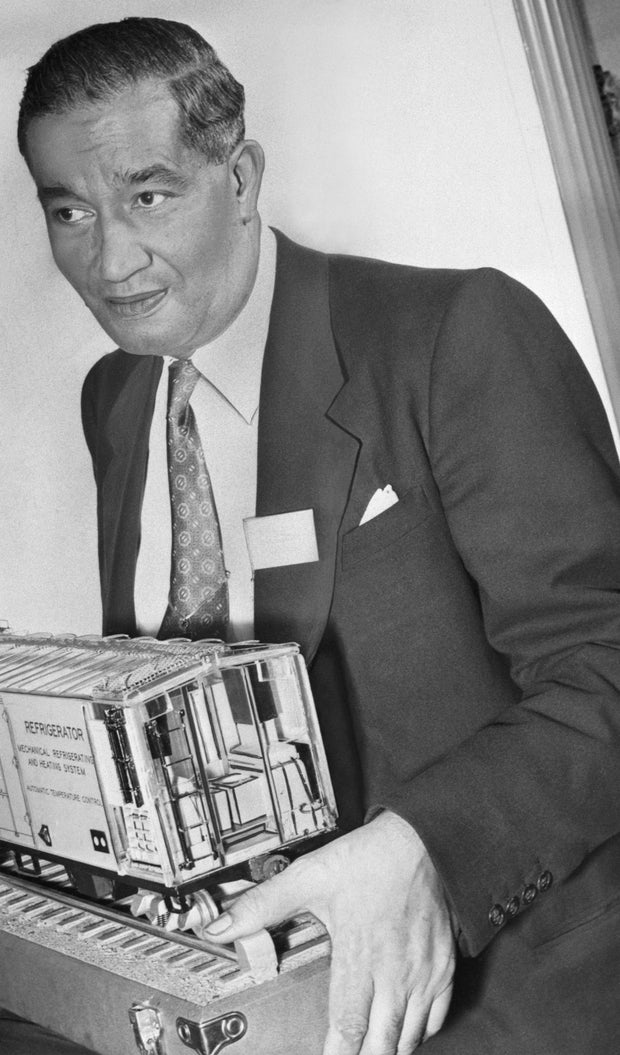
Frederick McKinley Jones later revolutionized agricultural supply chains with his patented refrigeration system for trucks, facilitating the transport of perishable goods over greater distances.
Transportation Revolution
In 1776, transportation relied on walking, horse-drawn carriages, and sailing. Innovators like John Fitch and James Rumsey devised mechanisms for steamboats, allowing upstream movement. Robert Fulton commercialized steamboats, enhancing mail delivery, especially along major rivers.
Railroads expanded rapidly in the 19th century, with tracks covering almost 30,000 miles by the 1870s. In 1903, the Wright brothers pioneered powered flight, thanks to their rigorous experiments and efforts to find ideal testing conditions in Kitty Hawk, North Carolina.
Katherine Wright, the Wright brothers’ sister, played a crucial role in their aviation achievements, although her contributions were often overlooked.
Electricity: A Game Changer
The rise of electricity transformed American life. Charles F. Brush’s successful installation of an electric street-light system in Cleveland marked the beginning of America’s reliance on electricity.
Thomas Edison’s work with the incandescent light bulb and electric power systems catalyzed further developments. By providing safer streets and extended business hours, electricity altered routine life significantly.
Communication and Manufacturing Advances
Thomas Edison improved Alexander Graham Bell’s telephone design, enhancing communication clarity and efficiency. This facilitated other innovations such as the phonograph and long-distance calls.
Manufacturing evolved from artisanal methods to mass production, greatly improved by innovations in interchangeable parts by inventors like Eli Whitney Jr. and Samuel Colt.
The assembly line, best exemplified by Ford’s Model T production, highlighted the efficiency of manufacturing methods that paved the way for economic growth.
Energy and Fuel
Edwin Drake’s oil well in Pennsylvania heralded America’s ‘petroleum age.’ The discovery of oil subsequently led to significant political and economic developments centering on energy resources.
Efforts to explore alternatives like nuclear, wind, and solar power continue, but oil remains central to American energy strategies.
Medical Innovations
Medical advancements have increased American life expectancy and improved health. Key developments include germ theory by Robert Koch and vaccination techniques pioneered by Louis Pasteur. Innovations in surgery, pharmaceuticals, and imaging have contributed to better health outcomes.
The swift development of COVID-19 vaccines exemplifies recent medical progression.
Computing: A New Era
The U.S. census system prompted computing innovations to manage growing data needs. Herman Hollerith’s punch card systems and subsequent electronic computers enabled more efficient data processing.
The rise of personal computing in the 1980s and mobile technology, like the iPhone, revolutionized access to information and connectivity.
Photography and Video
Photography and motion pictures introduced visual storytelling and evidence capabilities. Eadweard Muybridge and Thomas Edison laid the groundwork for motion picture technology.
The growth of television ownership and technological developments from companies like AT&T expanded media reach globally.
Reflecting on U.S. innovation, Eric S. Hintz illustrates a vision of Earth before American advances. Without electricity, life followed nature’s rhythms. America’s developments in power, transportation, and communication dramatically reshaped life.