
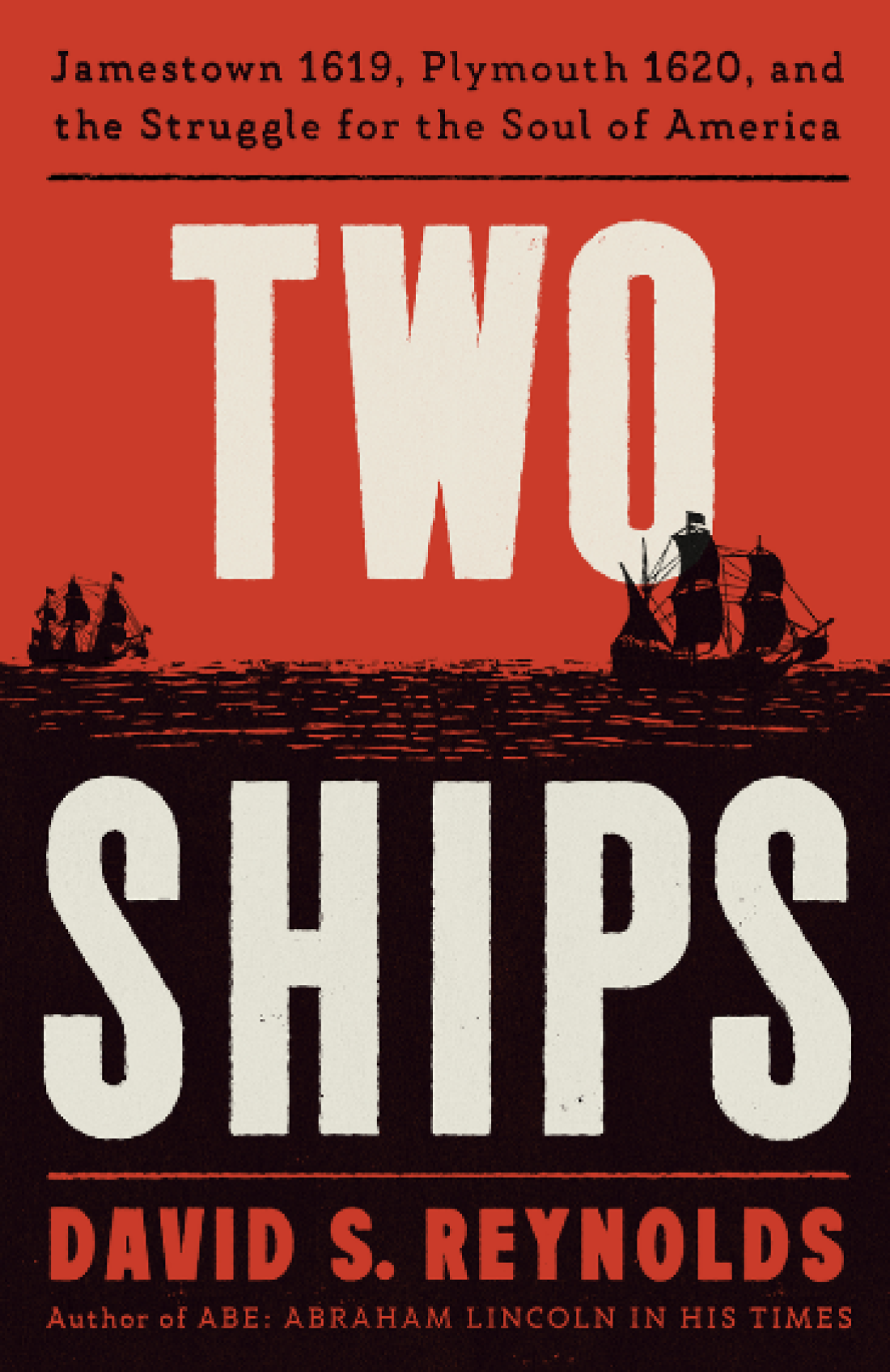
Historian David S. Reynolds has released a new book titled Two Ships, coinciding with the 250th anniversary of the United States. The book investigates the complex legacy of two pivotal landings in American history. The Mayflower brought Pilgrims to Plymouth, Massachusetts, in 1620, while the White Lion arrived in Jamestown a year earlier, introducing the first enslaved Africans to Virginia.
Historical Context and Interpretations
Reynolds explores how the meanings assigned to these voyages have shaped American identity. The Mayflower’s passengers were separatist Puritans opposing the English king, James I. They are credited with bringing the seeds of radical democracy to the New World, where theoretically all men were equal before God. The settlers of Jamestown, known as Cavaliers, were loyalists to the monarchy, endorsing a strict hierarchy. The symbolism of these ships has been invoked over time, with varying interpretations based on context.
The Civil War Era
During the Civil War, the metaphor of the two ships was prominent. Abolitionists condemned the White Lion or “Slave-Ship” for introducing slavery’s “plague-spot” to America. Reynolds highlights how Frederick Douglass frequently used this metaphor while Abraham Lincoln avoided it to maintain national unity. Southern descendants used the Mayflower metaphor to highlight Puritan intolerance and persecution.
Cultural Memory and Interpretation
Reynolds illustrates that while the North diversified religiously by the mid-19th century, Southerners viewed the Mayflower as a source of Puritanism. This perspective equated Puritanism with abolitionism, perceived as a threat to the Union. Reynolds notes the South’s admiration for Nathaniel Hawthorne’s novels and Sir Walter Scott’s historical romances, which supported nostalgic views of a feudal society.
Turn of the Century and Beyond
By the 1890s, interpretations shifted again, with Southern and Northern whites forming racial solidarity amidst diverse immigrant influxes. The Mayflower celebrations reinforced these sentiments. In the late 20th century, the Mayflower imagery became commercialized into trivial symbols, losing its political significance.
The 1619 Project
Seven years ago, the 1619 Project brought attention back to the White Lion, placing it at the heart of discussions on slavery’s role in American history. While the 1619 Project faces criticism for its historiography, its revival of the White Lion merits acknowledgment in Reynolds’ book, despite being outside its chronological scope.
Reynolds’ Two Ships is highly recommended for gaining insights into American history and how Americans have perceived and stereotyped each other over time. As Ernest Hemingway might cynically say regarding the sentiment, ‘Isn’t it pretty to think so?’