
Introduction
Tribes have negotiated a settlement aimed at resolving the largest outstanding claim to the Colorado River, with the promise of billions in federal funding for water infrastructure. However, resistance from Upper Basin states—Colorado, New Mexico, Utah, and Wyoming—blocks the deal’s progress. These states oppose allowing the Navajo and Hopi tribes to lease water beyond their reservations.
Historical Context
It has been 118 years since the Supreme Court mandated that the federal government owes tribes water rights. Despite this ruling, many tribes continue their fight to secure these rights. The settlement could transform access to water in northern Arizona, where numerous homes lack running water. Nevertheless, neighboring states are embroiled in a broader dispute over how the diminishing river should be divided.
The Settlement’s Opponents
Colorado, New Mexico, Utah, and Wyoming have sent letters opposing the Congressional codification of the settlement, citing unresolved concerns regarding water rights and inter-state interests. The Upper Basin states are at odds with their Lower Basin counterparts—Arizona, California, and Nevada—over shared river governance. Congress and the White House have withheld approval, awaiting consensus from all parties.
Impact on Local Communities
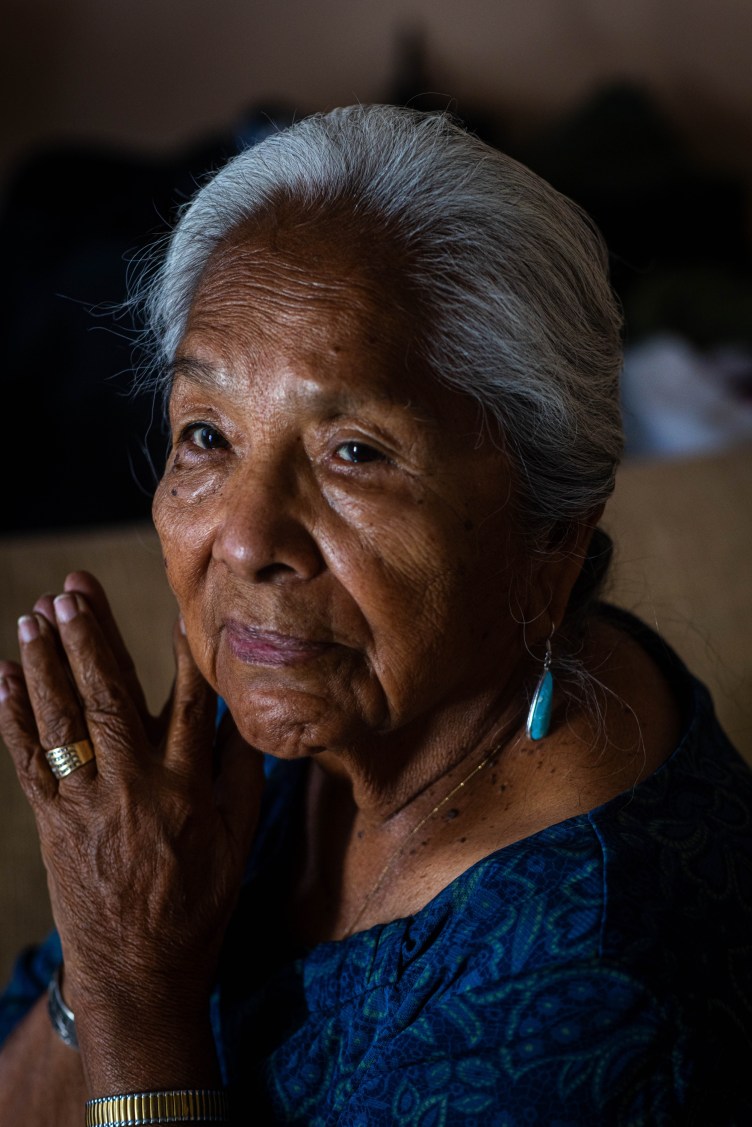
Representing the Hopi Tribal Council, Marilyn Tewa, 83, continues living without running water due to this deadlock. In her village of Mishongnovi, residents rely on untreated water from livestock wells and portable toilets. The settlement, known as the Northeastern Arizona Indian Water Rights Settlement Act, proposes to resolve water claims while offering $5 billion in federal support for infrastructure.
Legal and Economic Challenges
The settlement stipulates that some tribes may lease their water rights to towns around Phoenix as a means to cover costs, unsettling Upper Basin states who fear economic transactions could set precedents for future water leasing. The Upper Basin states insist they hold veto power over settlements affecting cross-basin water movement.
Concessions Offered by Tribes
In attempts to assuage concerns, the Navajo and Hopi tribes proposed concessions regarding the volume and duration of water leases. They also offered to retain some water in river reservoirs to aid drought-affected areas. Despite these compromises, Upper Basin states maintain their opposition.
Persistent Battles Over Water Rights
Tribes with land along the Colorado River possess senior rights to water but historically have been excluded from relevant negotiations. The Navajo Nation’s appeals to receive promised water have repeatedly failed, prompting leaders to consolidate tribal claims to enhance negotiation leverage.
Federal and State Obstacles
Congress faces challenges in advancing the settlement, stemming from its sizable fiscal demand and broader legislative gridlock. Even as tribes offer significant compromises, state negotiators remain resistant to resolving cross-basin leasing issues.
Impact on Tribal Communities
For the Hopi Tribe, the resolution offers potential relief from reliance on depleted aquifers, rejuvenating traditional springs used for agriculture and ceremonies. San Juan Southern Paiute’s vice president stresses the settlement’s promise to establish a permanent homeland.
The High Stakes
Tribal leaders persist in their negotiations, motivated by the need to maintain cultural practices and develop sustainable economies. The allocation of water, a fundamental human right, remains a linchpin of the tribes’ future aspirations.