
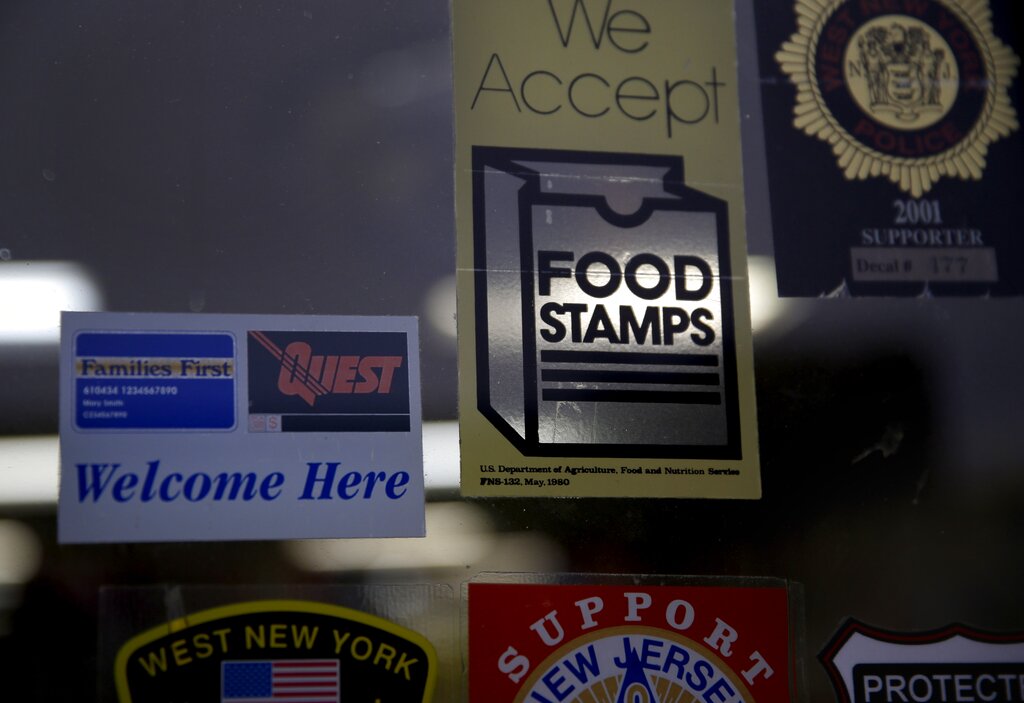
The Trump administration is preparing to address welfare fraud by targeting a regulatory loophole that has existed since the Clinton years, allowing middle- and upper-class Americans to receive food stamps despite not qualifying for the low-income program. The Department of Agriculture’s proposed rule aims to close this loophole.
Broad-Based Categorical Eligibility
A policy known as broad-based categorical eligibility allows states to grant food stamps to individuals who exceed income or asset requirements, as long as they receive another benefit, even as trivial as a government-funded brochure. This loophole has enabled millions of ineligible people, including millionaires, to enroll in the food stamp program.
Impact on School Lunch Program
The federal rules also state that children automatically qualify for the National School Lunch Program if their families receive benefits such as food stamps. Consequently, children from affluent families have been accessing free or reduced-price meals at public schools. By closing the food stamp loophole, the Trump administration aims to curtail this misuse of taxpayer dollars.
Minimal Effect on School Meals
Although leftist organizations claim that up to a million children could lose school meals, the reality is far less severe. An estimated 99.9% of children in the National School Lunch Program will continue receiving their meals. Only about 2,900 students will be removed, all from families that do not legally qualify for assistance.
Significant Savings for Taxpayers
Reforming the food stamp program by removing ineligible participants will save taxpayers over $10 billion annually. This measure will preserve the program for those who genuinely need assistance, especially as the program’s costs have exceeded $100 billion per year. Such savings are necessary and long overdue.
Welfare Spending Debate
The move to reduce welfare spending may face criticism from the left, who advocate for broad welfare coverage. However, the safety net is designed to provide temporary aid to the truly vulnerable, helping them regain self-sufficiency. It is not intended to support wealthier families.
Paige Terryberry, the article’s author, is a Senior Research Fellow at the Foundation for Government Accountability.