
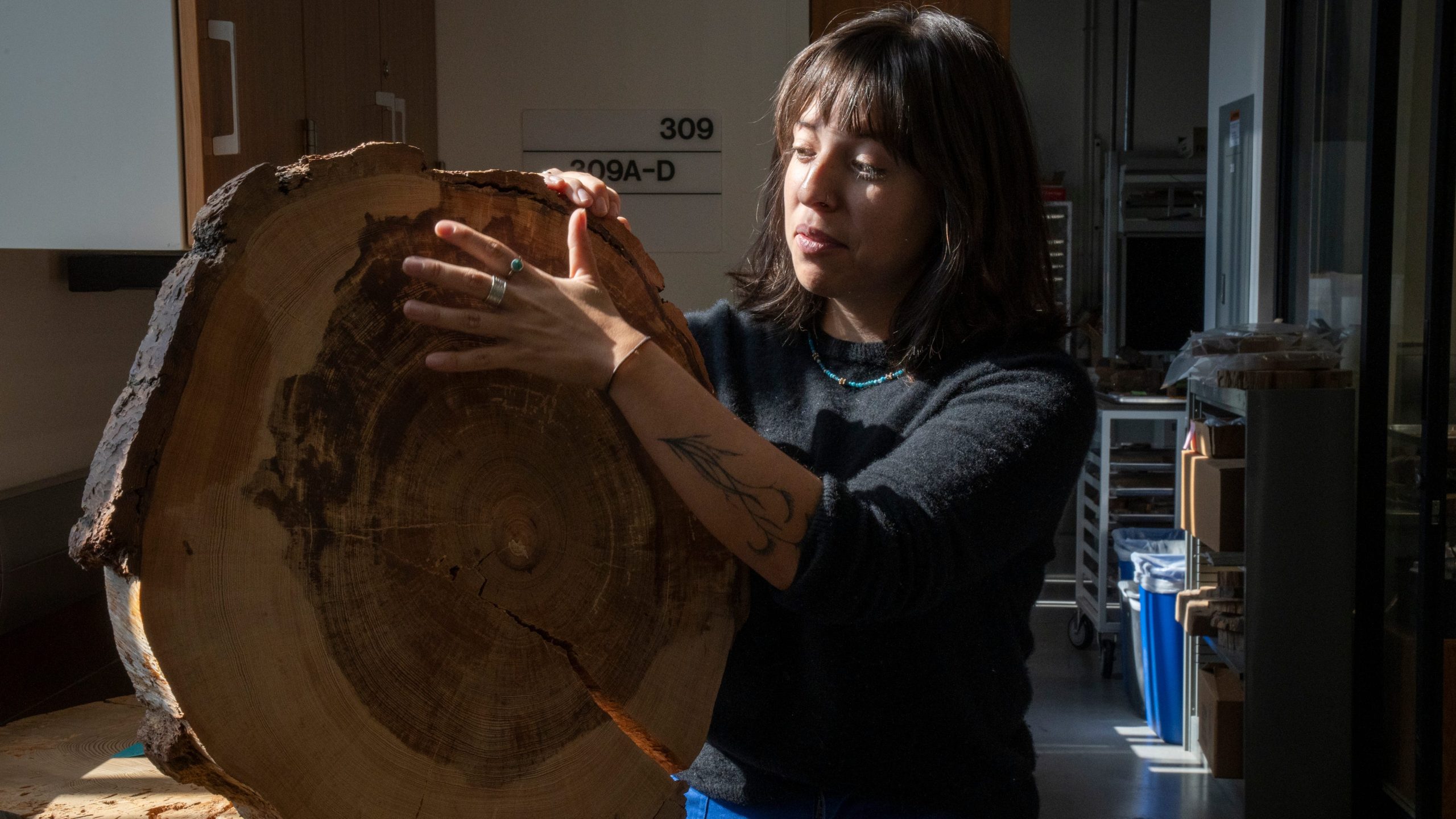
Tree cores extracted from some of the world’s oldest trees have extended records of historical weather events. As the 2026 hurricane season unfolds, trees continue to record weather changes. Tree rings provide a wealth of information about past climate conditions and events, such as storms, droughts, and wildfires. This data is consistently gathered by scientists around the world, from Alaska to Arizona, building a vast database of natural disasters that offers insights into future weather patterns.
Narrow tree cores, similar in diameter to a pencil, have been extracted from ancient trees on the planet. These samples allow scientists to extend weather records far beyond what modern satellite imagery can accomplish. Tree rings reveal information regarding floods, droughts, and hurricane landfalls, based on their width, density, and spacing.
Witness Trees
Nicole Davi, a tree scientist, expresses wonder at ancient trees still standing since 1776, their rings telling the stories of their experiences. These “witness trees” provide valuable records of historical weather events. Davi, a professor at William Paterson University and an adjunct scientist at the Lamont-Doherty Earth Observatory, highlights their significance.
Finding the Right Trees
Valerie Trouet, a professor at the University of Arizona, shares her enthusiasm for exploring remote forests in search of ancient trees. These trees, significant in size and age, provide intricate details about past climate changes. Identifying the right trees can involve adventurous hikes to find the oldest specimens holding centuries of weather data.
Researchers focus on trees in specific regions tailored to their studies. For example, to study drought, scientists examine trees in regions where growth is primarily influenced by moisture. The U.S. Southwest serves as an ideal example, where trees show limited growth in dry years. In Tucson, abundant rainfall results in significant tree growth, whereas dry years result in thin rings.
Microscope Revelations
Under a microscope, tree cores from trees sensitive to temperature changes can reveal historic volcanic eruptions. The reduced growth patterns caused by blocked sunlight and cooling can be observed across regions from Mongolia to Canada to Alaska. Scientists studying climate trends prefer examining slow-growing trees, such as those in boreal forests.
Building Historical Records
Tree-ring data aids in reconstructing historical events like El Niño, supplementing the limited data available before satellite records. Analyzing data spanning only 50 to 60 years, Trouet emphasizes the importance of expanding datasets by cross-referencing cores from different regions, improving statistical analysis of El Niño’s frequency and interactions with other events.
Impact on Forests
Tree rings can reveal the effects of both ancient and recent hurricanes. For instance, tree rings have documented the impact of Hurricane Harvey’s flooding in Texas on tree growth, as well as the intensification of rainstorms. Studies indicate that trees experience slowed growth the year following a hurricane, with standing trees losing their leaves and major branches, and this trauma is reflected in the rings.
Nicole Davi discovered evidence of hurricanes in older, ‘stunted and gnarly’ trees along the coasts of New York and New Jersey. The rarity of significant hurricanes underscores the value of these ancient trees’ records. By cross-referencing tree ring data, researchers can understand wildfire patterns in regions during El Niño and La Niña years, providing context for historical wildfire prevalence and expansion across time.
The resilience of trees in documenting stories of weather resilience enthralls researchers. They look forward to the continued contributions of trees in narrating events that shape human history. The scientific excitement continues to grow as more secrets are unearthed through studying these vital historical records.