
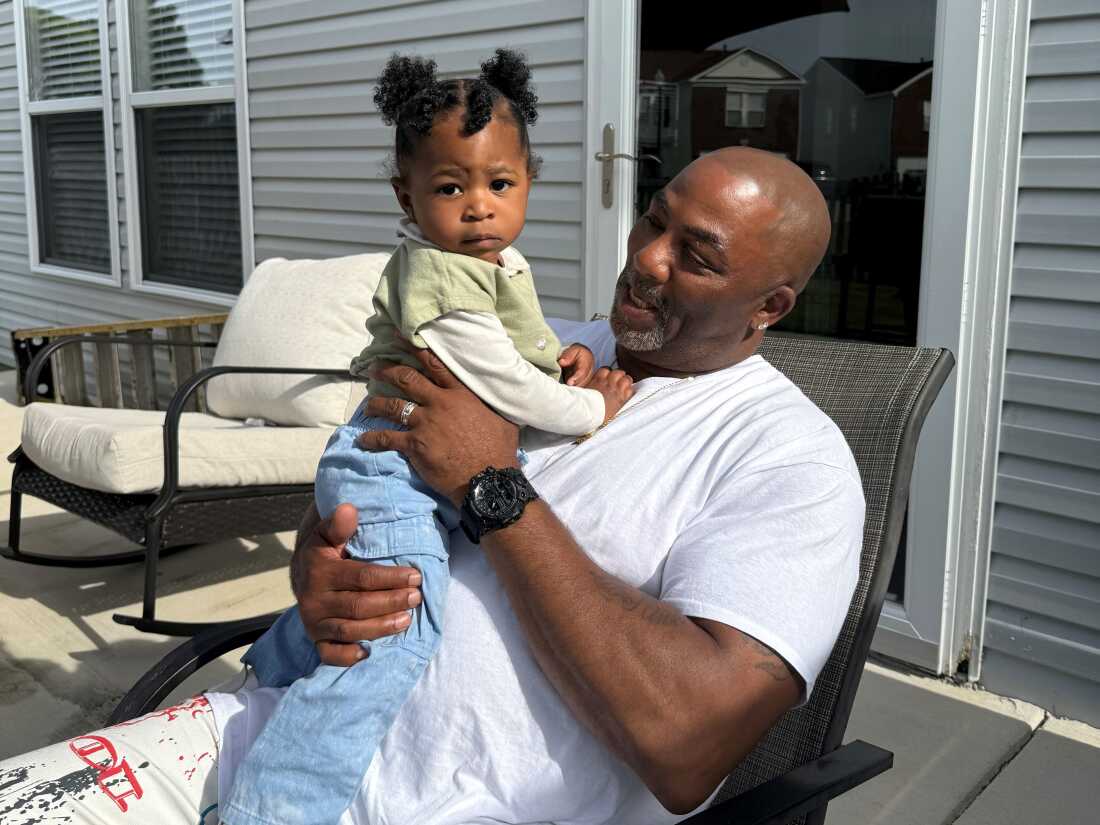
Anthony Bailey, 61, enjoys precious moments with his family as uncertainty looms over his future. Released two years ago after spending 27 years in federal prison, Bailey embraced a second chance at life. He worked long hours driving a city bus in Indianapolis, attended family gatherings, and engaged deeply with his community.
Recently, a Supreme Court ruling and a decision by the Justice Department have put Bailey at risk of returning to prison. Reflecting on his current situation, Bailey said, “I’m hoping and praying that everything turns out, and I get my life back. Today, I’m a better person—I’m a productive citizen, I work hard.”
His case belongs to a group affected by a May Supreme Court decision that limits the use of the compassionate release program for early release. The court’s interpretation focuses on severe illness or old age, ruling that those serving sentences far longer than current standards are not automatically eligible.
These are indefensibly long sentences, and they need to be corrected,retired federal Judge John Gleeson said.
Gleeson established a pro bono initiative that has aided over 100 prisoners in petitioning for early release. Most affected are Black men involved with gun-related crimes who faced enhanced mandatory penalties.
Bailey’s involvement in a 1997 bank robbery and subsequent carjackings led to his lengthy sentence. Prosecutors noted the dangers posed, including to a child. Yet Bailey reflected, Something that I totally regrets—will never happen again, ever, in life.
During his imprisonment at Terre Haute, Indiana, his record was clean, with only one minor infraction.
Maryam Kanna, Bailey’s pro bono lawyer, emphasized his contribution as a “productive member of society,” dismissing the notion of him posing danger as “far-fetched.” Despite Congress reducing some penalties like those imposed on Bailey, the changes are not retroactive.
Officials may move to enforce his original sentence, which could extend his time in prison until 2050. Kelsie Clayton, a spokesperson for the Southern District of Indiana U.S. Attorney’s office, stated that only official court filings would speak for them.
The Supreme Court ruling asserts that such cases do not qualify for the compassionate release program. Bailey, noted for his clean record and good probation reports, remains uncertain about his future, saying, OK, just got to keep fighting.
Bailey cherishes his family time, teaching his grandson household chores and sharing moments over the boy’s favorite McDonald’s fries. The looming uncertainty motivates him to cherish these days, showing his grandson the ropes while the future remains unclear.