
Introduction
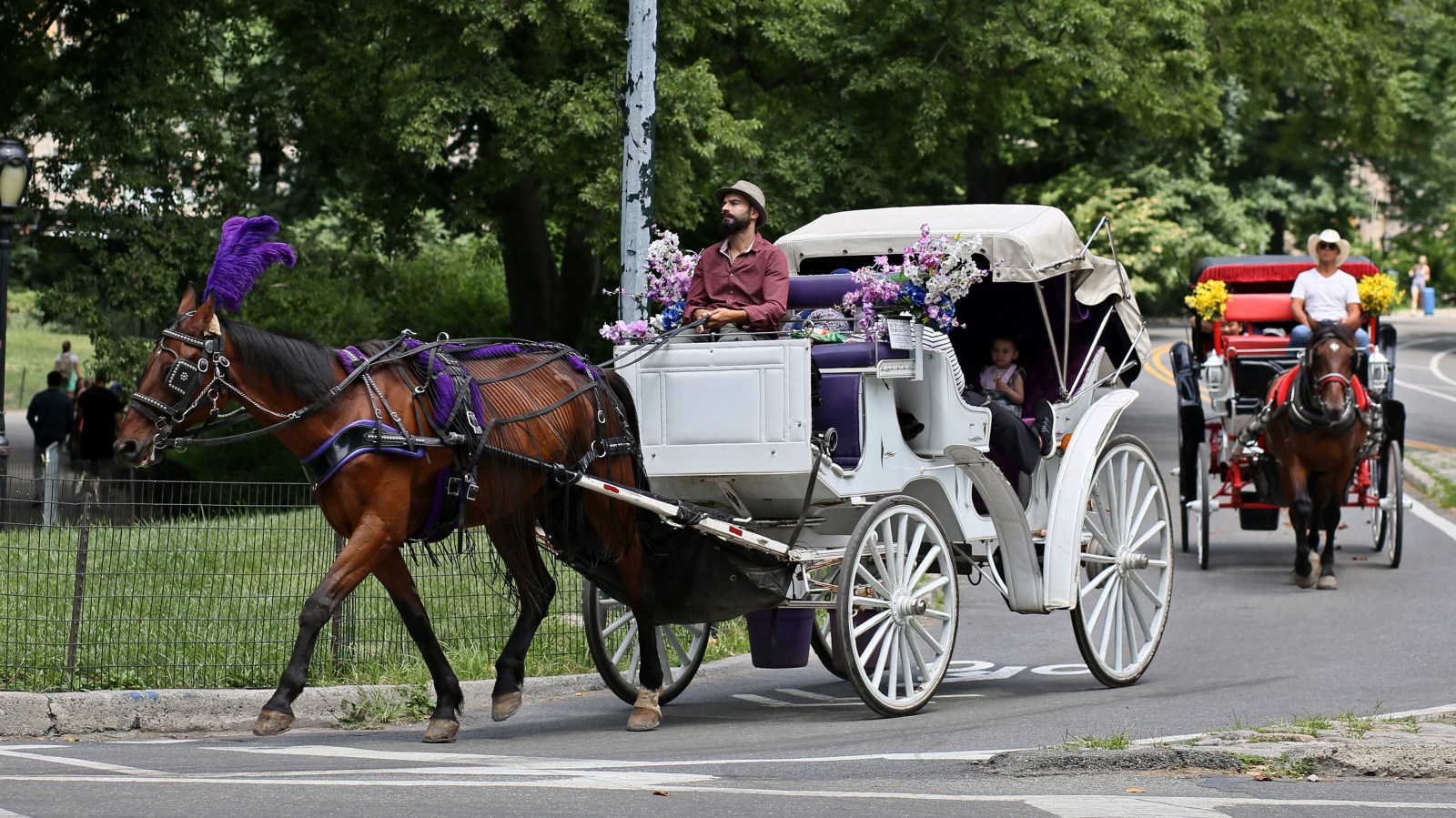
Horse-drawn carriage rides through Central Park have been a beloved feature of New York City since the mid-1800s. However, recent tragedies have spurred demands for a ban on this tourist attraction. This includes the recent death of an 18-year-old tourist.
Regulations and Ryder’s Law
While New York City has regulations on the working conditions of carriage horses, advocates argue these measures are insufficient. Ryder’s Law, introduced in 2024, seeks to ban horse-drawn carriages and replace them with electric alternatives. Named after Ryder, a carriage horse that died in Manhattan in 2022, the bill hopes to prevent future incidents like his.
The proposal aims to phase out the industry, eliminate new carriage licenses, and ensure responsible retirement for horses. Although it gained support from some officials, it didn’t advance in the City Council last year. Recent tragic events, including a carriage accident involving tourist Romanch Mahajan, have revived efforts to pass the law.
Recent Incidents
On June 9, a 16-year-old carriage horse named Deniz died after ingesting a toxic plant. Then, on June 17, Mahajan was fatally injured after being thrown from a startled carriage horse. The incident sparked national calls to end the carriage rides and highlighted ongoing safety concerns.
Various incidents over recent years emphasize the risks involved. From horses bolting into traffic to carriage collisions, the Central Park Conservancy has recorded multiple incidents related to carriage horses. These events underscore the dangers posed to passengers, pedestrians, and horses.
Historical Tradition and Debate
Horse-drawn carriage rides have been part of life in New York City since the mid-19th century. Emerging alongside Central Park, carriage rides evolved into a tourism attraction by the late 1860s and have persisted for 160 years. They are deeply embedded in the city’s cultural image, regularly featured in media and postcards.
The debate over these rides is contentious. Supporters argue that banning them would erase a vital piece of city heritage and affect jobs related to the industry. Critics, however, prioritize safety and animal welfare over tradition.
Industry Rules and Safety Concerns
Currently, New York City’s carriage horse industry is governed by various regulations. Drivers must complete training and horses have limits on their working hours:
- Carriage horses cannot work over nine hours within a 24-hour period.
- Riding horses have an eight-hour work limit in the same timeframe.
- Carriage horses receive a minimum of five weeks of furlough annually.
Additionally, horses receive frequent veterinary examinations. Following Mahajan’s death, the union stressed that drivers should not leave horses unattended with passengers aboard, especially amid accusations that safety protocols may have been violated.
Critics maintain that regulations can’t entirely eradicate risks in an urban environment. Ryder’s Law supporters argue that the industry’s complete cessation is the only solution to prevent further tragedies.