
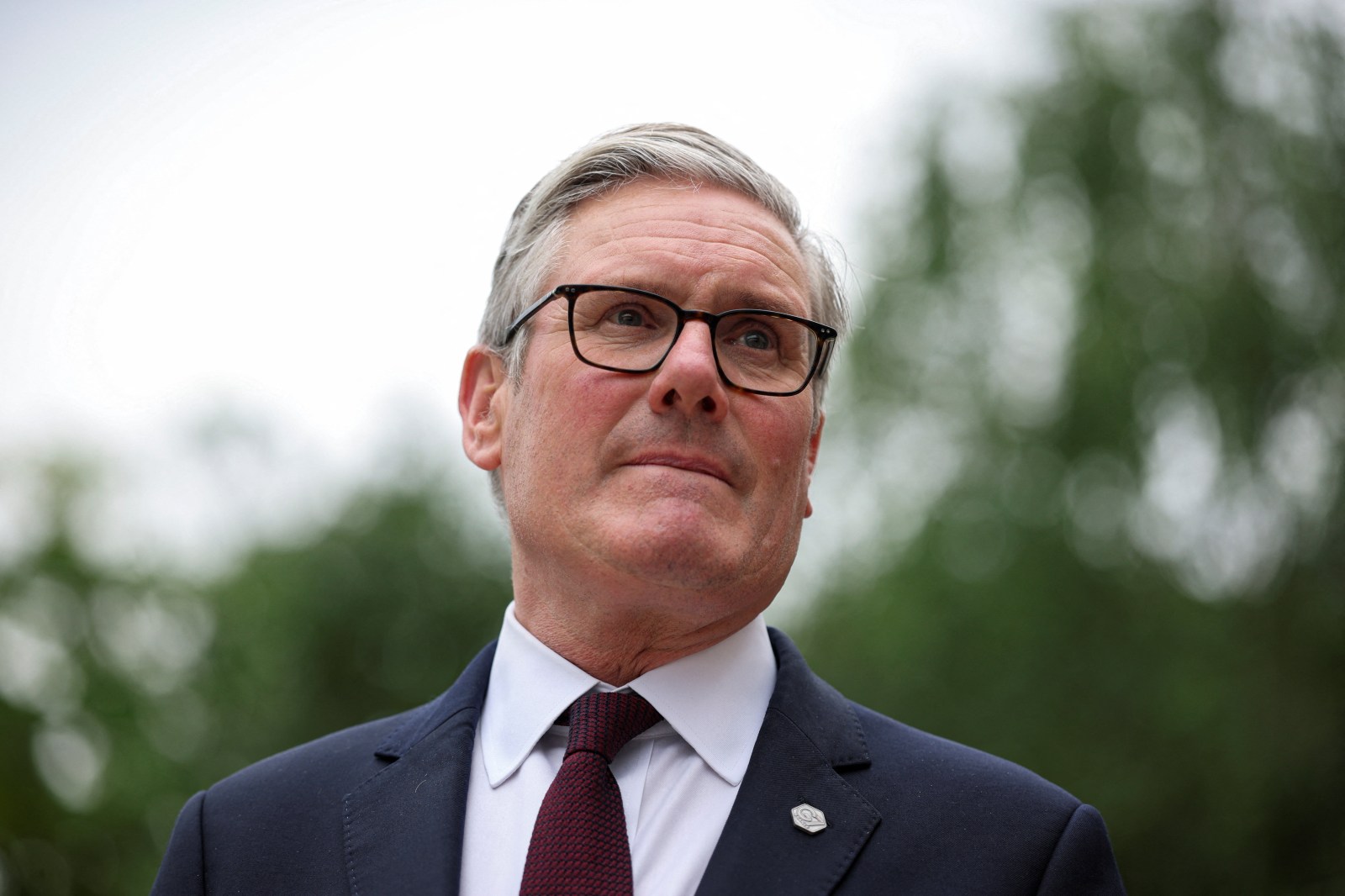
British Prime Minister Sir Keir Starmer has publicly declared his resignation after facing dwindling support and increasing pressure from within the Labour Party. Despite weeks of affirming his intention to remain as leader, on Monday morning, Starmer announced his decision to step down—only two years after orchestrating Labour’s historic landslide election victory.
Leadership Transition
The Labour Party is set to initiate a selection process to appoint a new leader before Starmer officially vacates his post.
The Significance
The individual succeeding Starmer will mark Britain’s seventh prime minister since the Brexit referendum in 2016, a decade characterized by unparalleled political shift in modern British history.
Political Developments
Speculation around Starmer’s departure had been intensifying, notably following Labour politician Andy Burnham securing a significant by-election win that facilitated his return to Parliament. This win removed a significant hurdle for any potential leadership contest.
If Burnham were to succeed in the Labour leadership contest, he would ascend to the role of Britain’s prime minister—an outcome increasingly anticipated, as Burnham’s popularity within Labour makes him a contender.
Challenges Faced
Despite driving Labour to an electoral triumph in 2024, Starmer witnessed a precipitous decline in approval ratings, exacerbated by a diminishing public support base and mounting dissatisfaction within his party ranks.
Criticism has surfaced for Starmer’s inability to fulfill primary Labour commitments, including economic growth, immigration reform, welfare improvements, and addressing defense expenditure concerns.
The defense issue took center stage when Defense Secretary John Healey resigned. He argued that the government fell short on needed military funding—further weakening Starmer’s position.
Broad criticisms suggest Starmer lacked a definitive political vision, with some voters perceiving him as overly cautious and managerial, rather than a transformative leader.
Mandelson Controversy
Starmer’s political standing was further compromised by controversy surrounding his choice of Peter Mandelson as Britain’s Ambassador to the United States.
The tumult began after revelations emerged about Mandelson’s prior association with convicted sex offender Jeffrey Epstein, sparking scrutiny over Starmer’s judgement in selecting him for a critical diplomatic role and the thoroughness of the vetting process.
Starmer later acknowledged Mandelson’s deception regarding the extent of his relationship with Epstein, apologizing for the appointment, yet the incident significantly undermined his authority.
The fallout has posed a persistent challenge to his political recuperation ever since.
This narrative continues to evolve and will be updated with further developments.