
Buildings often provoke varied reactions, stemming from differing perceptions between the public and architectural professionals. What some see as unattractive, architects perceive as innovative feats of design and engineering. The debate surrounding architectural appreciation is evolving, particularly as the United States shifts toward preserving older structures.
According to the American Institute of Architects (AIA), nearly half of the U.S.’s 125 million buildings are over 50 years old. There is a growing trend in adaptive reuse, evidenced by the creation of 25,000 apartments from converted buildings in 2024, showcasing a 50% increase over the previous year, as noted by RentCafe.
The AIA highlights that reusing buildings can prevent 50 to 75% of carbon emissions related to new constructions, avoiding embodied carbon from materials and transport. Gordon Gill, an architect known for designing the world’s tallest building, emphasized the importance of refreshing and maintaining the relevance of older structures.
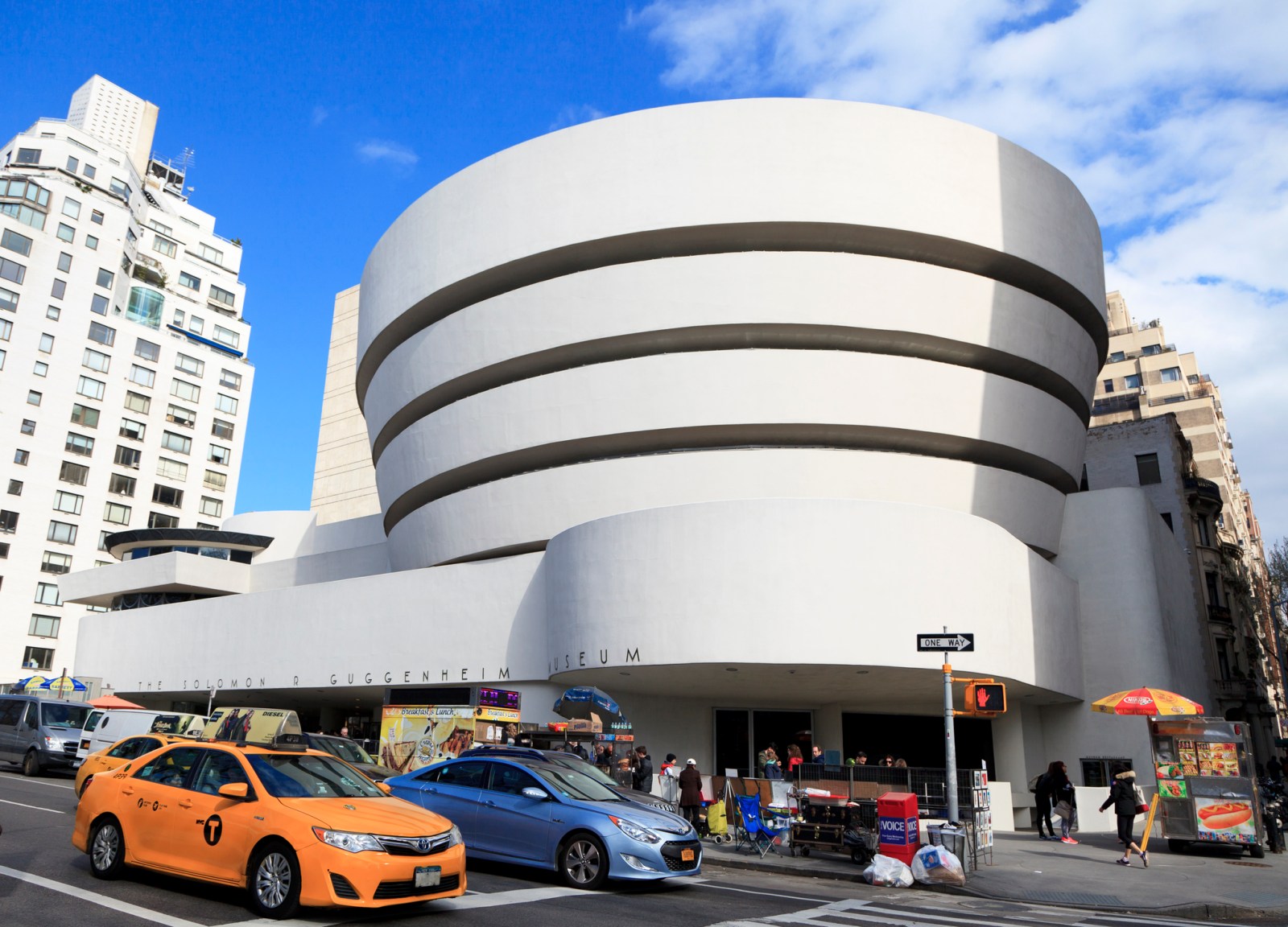
The Guggenheim, New York City
Frank Lloyd Wright’s Guggenheim Museum stands out architecturally, provoking diverse opinions. While some people appreciate its bold contrast with Fifth Avenue’s traditional buildings, others criticize its unconventional form.
Architect Monika Smith from DLR Group described the Guggenheim as controversial due to its unique design and challenging curved walls for curators. She praised the museum for redefining visitor experiences, offering a continuous journey through its innovative use of circulation and light.
Marin County Civic Center, California
Another design by Wright, the Marin County Civic Center, also garners mixed perceptions. Architect and engineer Charles Bloszies appreciated its distinctive presence, yet acknowledged its polarizing nature among some locals. Bloszies referred to it as a prime example of Wright’s Prairie School architecture adapted to the Californian landscape.
Boston City Hall, Massachusetts
Miles Smith from Graphisoft contended that Boston City Hall is a beloved structure among architects but faces public disdain. Despite repeated calls for its demolition, architects defend its brutalist style, which is characterized by exposed concrete and stark forms.
Marc Gordon from Spacesmith explained that the public often views brutalism as inhumane, but architects admire its material honesty and geometric design.
Norfolk Scope Arena, Virginia
The Norfolk Scope Arena’s concrete dome design, supported by flying buttresses, receives criticism from locals yet is celebrated by architects. Mel Price, co-founder of Work Program Architects, considers it an iconic landmark, praised for its late-modernist structural expressionism.
Thom White, also from Work Program Architects, described the Scope Arena as majestic and emphasized the importance of preserving it, despite its aging infrastructure.
Woodhull Hospital, New York City
In Brooklyn, Woodhull Hospital showcases a controversial form of architectural design. Marc Gordon noted its intimidating appearance from a public perspective, yet recognizes the structure’s sheer scale and monumentality.
Gordon admired its geometric forms and industrial aesthetics, underscoring its misunderstood architectural value.