
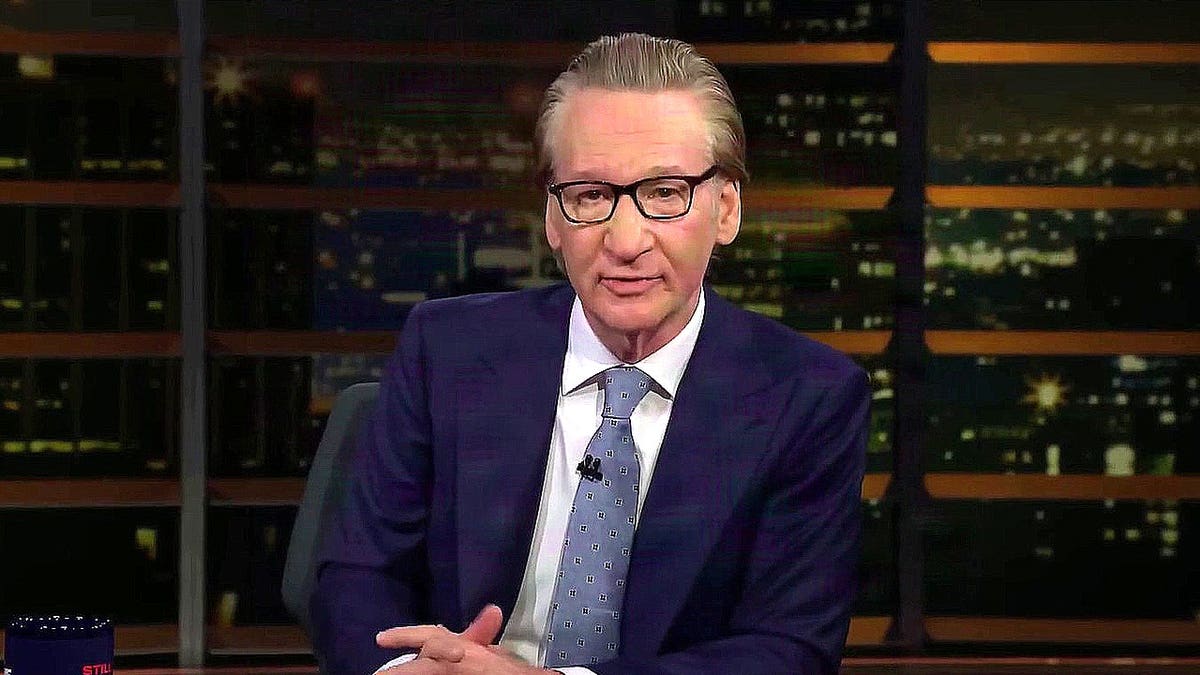
Bill Maher, the host of HBO’s ‘Real Time,’ criticized Democrats for contemplating boycotting America’s 250th anniversary celebrations due to their dissatisfaction with President Donald Trump. Addressing the upcoming Democratic National Convention, Maher observed the irony of presenting numerous American flags while often sidelining patriotism.
During his commentary ahead of the Fourth of July festivities, Maher noted the reluctance among some Democrats to engage due to their disapproval of Trump. He urged against such actions by highlighting the importance of national celebration over political divisions.
“I’m not saying Trump doesn’t want to muddy the distinction between himself and the country,” Maher stated. “He sure does. That’s what wannabe authoritarians do. They try to blur the line. Don’t be an accomplice,” he continued, reminding viewers not to confuse Trump’s presidency with the nation itself. Maher cautioned against allowing political dissatisfaction to overshadow the significance of celebrating America.
A Reuters/Ipsos survey conducted in mid-June showed 64% of Republicans planned to display American flags for July 4, compared to merely 27% of Democrats. Maher encouraged Democrats to partake in the celebrations, emphasizing the vastness of the country and the low probability of encountering President Trump directly.
Reflecting on America’s achievements, Maher stated that despite Trump’s controversies, the U.S. remains a prosperous and desirable nation. He defended the expression of discontent with the president while preserving the essence of American values, invoking the First Amendment and the nation’s stand for inclusivity. Maher stressed the significance of shared ownership in America and criticized sporadic displays of patriotism by Democrats during election years.
As the country approaches its 250th anniversary, Maher urged Democrats to set aside their disagreements with the president and unite in celebration. He concluded with a lighthearted reminder about the purpose of the Fourth of July, not as a platform for political discontent, but as an opportunity for collective celebration.