
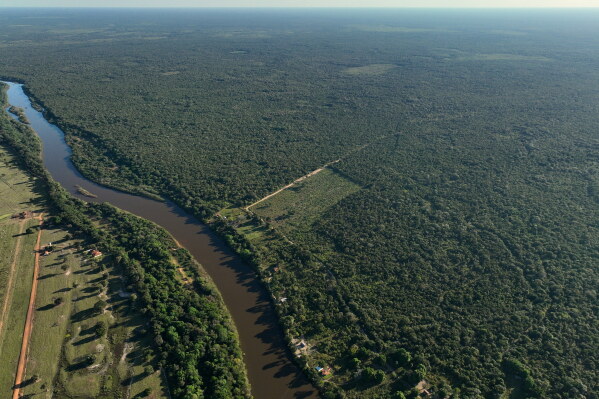
On Bananal Island in northern Brazil, a complex debate over cattle ranching and conservation arises. This center of world attention lies in the region of Formoso do Araguaia, Tocantins state, where the interaction between federal mandates, Indigenous needs, and agribusiness pressures highlight a significant environmental issue.
Conservation Efforts and Indigenous Concerns
Federal authorities made a decision to remove cattle herds from Bananal Island, designating it as protected Indigenous territory. The area had been leased to outside ranchers illegally, leading to habitat degradation. While agreements with ranchers provided income for Indigenous communities, the reliance on this income revealed an economic dilemma.
Cattle played an essential role in supporting community services and infrastructure, such as schools, healthcare, and transport. Despite this, the benefits were not distributed equally across villages, resulting in accusations of mismanagement and financial disparity among Indigenous leaders.
Environmental and Legal Challenges
Despite Brazil’s advancements in reducing deforestation, cattle ranching remains a significant contributor. The land designated for Indigenous peoples faces pressures from commercial interests. The state of Tocantins experienced elevated deforestation levels, with conservation efforts focusing on curbing unauthorized cattle grazing.
Despite restrictions on commercial activities, ranchers were engaged in cattle raising through informal agreements. This involved monthly payments much lower than market rates, creating an unsustainable economic model. With authorities enforcing regulations, wranglers reported having faced citations and confiscations when trying to mask commercial ventures as Indigenous property.
Soil and Community Impact
Cattle ranching contributed to negative environmental changes. Soil acidification and wildfires emerged, with areas often ablaze where grazing took place. These environmental consequences prompted action from Brazil’s environmental agency.
Historical and cultural exchanges between Indigenous communities and settlers have left Bananal Island diversified. European settlers discovered the area in the late 18th century, featuring Indigenous traditions and modernity juxtaposed in villages like Txuiri and Boa Esperanca.
Charting a Sustainable Future
Efforts are underway to reconcile economic, social, and environmental factors. The Javae people collaborate with The Nature Conservancy to draft land management plans balancing ecological conservation and economic needs. The experiences of the Macuxi people, who successfully combined cattle raising and land rights advocacy, serve as a model.
Broader discussions among Brazilian Indigenous groups focus on merging economic advancement with environmental stewardship. The Macuxi now collectively manage a large cattle population, reflecting an attempt to reclaim and manage their lands effectively.
Legal Recognition and Diverse Approaches
Indigenous groups require legal support tailored to each territory’s unique circumstances. Recognition such as that by Justice Flávio Dino for the Cinta Larga people, affirming mining rights within their territory, illustrates the movement toward enabling sustainable management of Indigenous lands.
The need for customized frameworks is evident, reflecting varied cultural and geographical needs across Brazil’s diverse Indigenous populations.
Financial support from private foundations aids the Associated Press in climate-focused reporting. For more details on standards and funders, visit AP.org.