
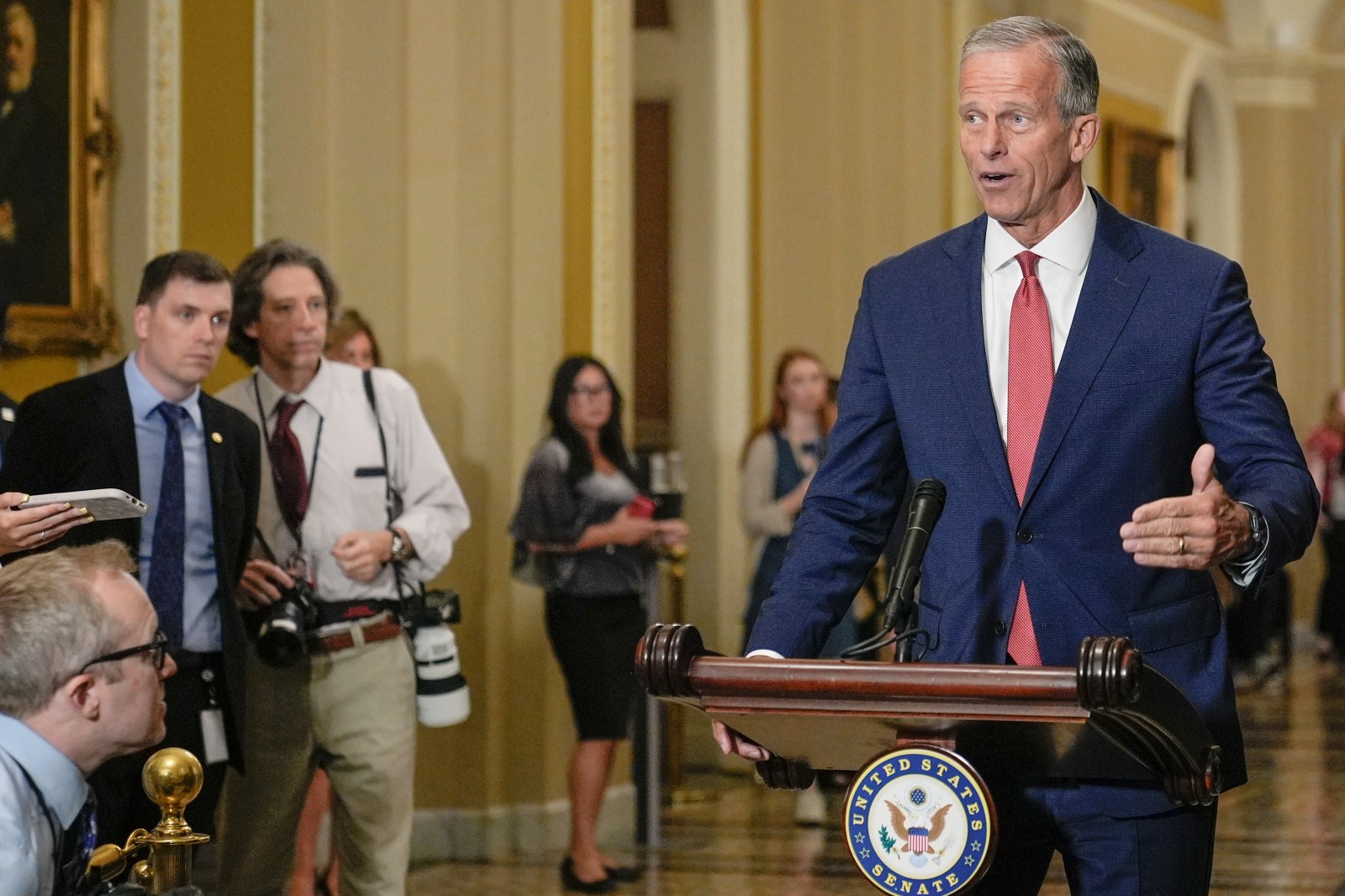
After months of Congressional stalemate, a bipartisan housing reform package is nearing the final stages of becoming law. Lawmakers have solidified a compromise with the potential to transform the housing market across the United States. Named the 21st Century ROAD to Housing Act, the bill is anticipated to receive final votes in both legislative bodies shortly, and then proceed to President Donald Trump for approval.
The legislation targets increased housing availability and seeks to minimize competition from institutional investors in the single-family market. The bill includes numerous provisions aimed at tackling housing affordability, stating it as one of the most substantial federal housing reforms in several decades.
Key Provisions in the Bill
Restrictions on Institutional Investors
A prominent feature is the limitation on large institutional investors purchasing single-family homes. This aims to create a fairer market for individual buyers. Lawmakers argue that corporate ownership has led to increased home prices, making it challenging for first-time buyers.
Expanding Housing Supply and Reducing Costs
The bill emphasizes boosting housing supply, a fundamental factor in escalating home prices, by cutting bureaucracy, updating federal programs, and opening new avenues for development. It proposes updates to the Community Development Block Grant (CDBG) program, a crucial source of federal funds for local housing and infrastructure projects.
Federal Grants and New Development Programs
The compromise maintains multiple pilot programs run by the Department of Housing and Urban Development (HUD). These initiatives will finance full home repairs, allowing owners to revitalize older homes. Additionally, they aim to transform office and commercial spaces into residential units, rejuvenating urban areas and increasing housing availability. These actions address both affordability issues and the underutilization of commercial real estate post-pandemic.
Disaster Recovery Funding
Negotiations concentrated on the Community Development Block Grant Disaster Recovery (CDBG-DR) program. The bill extends the program but establishes a three-year timeline before expiration, following efforts to eliminate it entirely.
Additional Reforms and Initiatives
The legislation incorporates numerous reforms, covering:
- Funding for housing and homelessness programs
- Changes to federal housing oversight and financing
- Measures to enhance affordability and maintain public housing
- Introduction of nine community banking measures
The 45 provisions in the bill reflect bipartisan priorities, merging Democrat-endorsed investments with Republican-initiated regulatory and financial reforms.
Implications for Homeowners
The effect on homeowners and potential buyers could be meaningful, though gradual. Potential advantages include increased housing availability through new construction and reduced competition from institutional investors. The bill may also expand financing access via community banks. Despite these steps, uncertainties remain as some programs face phase-out, particularly disaster recovery funding. The success of these initiatives will rely on federal agencies and local governance, with projected housing increases expected over several years.
Next Steps
With substantial bipartisan support and positive preliminary votes, the bill is likely to pass through both Congress chambers soon. Upon approval, it will be sent to President Trump for his signature, signifying a potential moment of unity in a starkly divided Congress.