
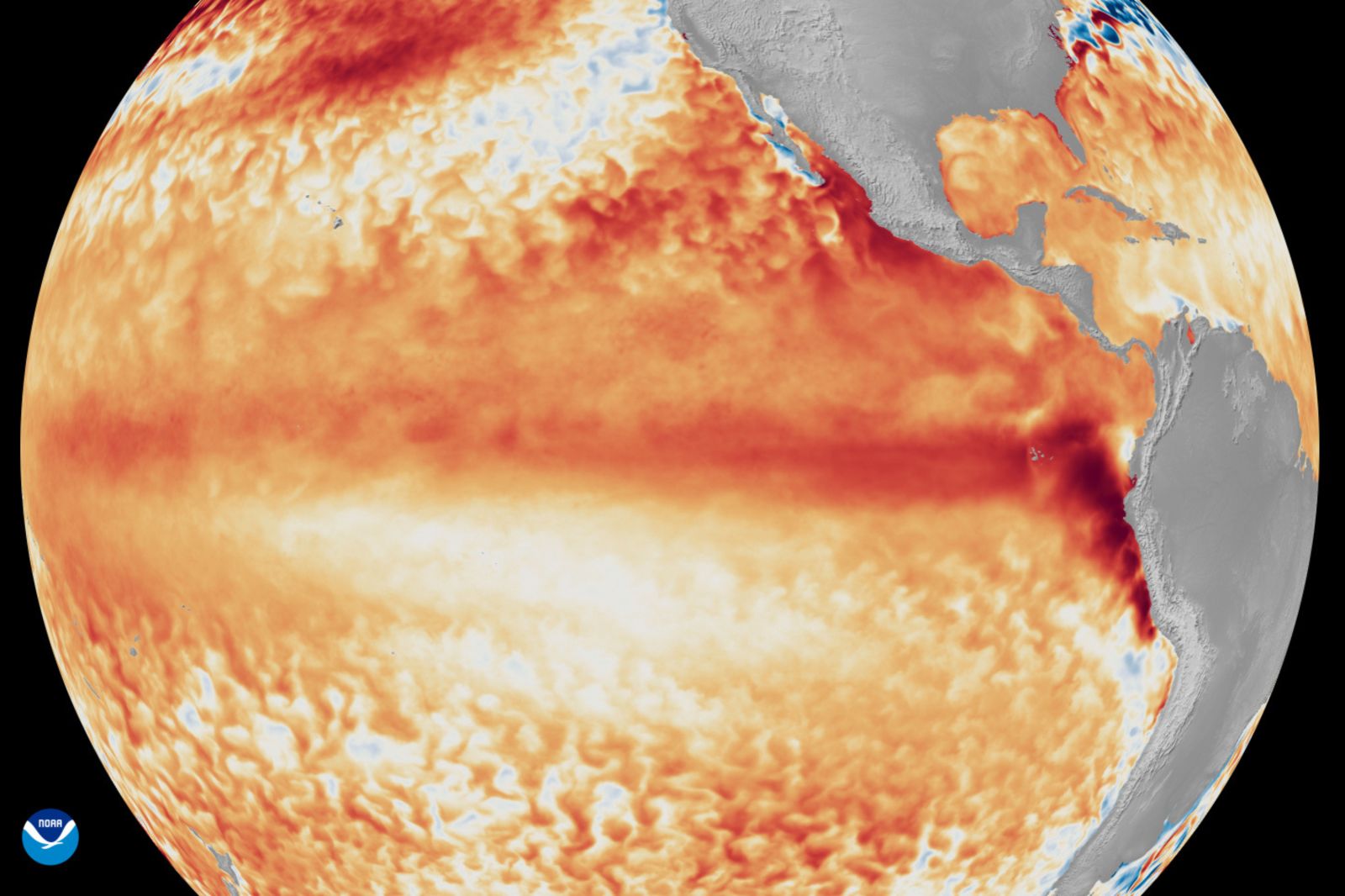
El Niño Forms in the Pacific
The El Niño climate pattern has emerged in the tropical Pacific, raising concerns about its possible intensity. Australia’s Bureau of Meteorology recently noted that conditions confirm El Niño’s presence, marked by unusually warm sea-surface temperatures in the central and eastern Pacific Ocean.
Predictions for El Niño’s Intensity
Forecasts indicate the climate pattern may intensify through the latter half of 2026. Some models propose it might become one of the most significant events since 1950. “Forecasts signal a strong to very strong El Niño,” the Bureau of Meteorology stated. Approximately half of the models suggest this event could reach levels among the highest observed since 1950.
Impact on Australia’s Climate
Australia’s rainfall between July and September is predicted to fall below average in several southern and eastern regions. Temperatures in most areas are expected to rise above normal, excluding certain northern parts.
Consequences for Australia
Australia faces vulnerabilities to El Niño due to its association with decreased rainfall and elevated temperatures. These conditions can lead to increased chances of frosts and higher fire risks, which may impact crops and livestock adversely. As a major exporter of wheat, sugar, and beef, Australia’s agricultural performance significantly influences global food markets.
The country experienced significant El Niño impacts from 2023 to 2024, leading to one of the driest recorded periods. A previous strong event in 2015-2016 led to widespread drought and reduced grain and oilseed yields. El Niño events generally last six to 12 months but can sometimes extend to two years. Current forecasts suggest persistence into 2027.
Effects on the United States
The United States often feels El Niño’s influence during winter, as Pacific Ocean warming shifts the jet stream and major storm paths. Typically, the southern U.S. experiences wetter and stormier weather. During such winters, the Pacific jet stream moves southward, increasing rains and mountain snow in areas like California, the Southwest, the Gulf Coast, and parts of the Southeast.
This additional rainfall can replenish reservoirs and alleviate drought but may also increase risks of flooding and mudslides. In contrast, the northern U.S. often encounters milder winter temperatures, which can lower heating demands and reduce severe cold outbreaks.
Impact on Hurricane Season
El Niño could affect the 2026 Atlantic hurricane season. Stronger upper-level winds linked with El Niño generally suppress hurricane and storm development in the Atlantic, potentially lowering the frequency of these events.