
In southwestern Albania, a 14th-century monastery stands near the calm waters of a lagoon. A wooden footbridge connects it to a small island. This serene site, known as Zvërnec, is part of a protected wetland. Migratory birds thrive here, and it represents one of the few undisturbed coastlines in a country grappling with environmental and institutional decline.
Recent plans to develop a luxury resort in the area have sparked public outcry. The project, linked to financial interests associated with Jared Kushner, has drawn fierce opposition. Residents and activists are intent on preserving this cherished natural landscape. Their outrage reflects deeper issues within the nation.
The contested resort highlights larger problems. It symbolizes the economic appeal of global tourism in Albania, with tourism contributing approximately 22 percent to the GDP. Despite the potential economic benefits, environmental concerns around Zvërnec are genuine. A transparent public discussion is necessary, but laws have been amended without public input, revealing a troubling pattern in governance.
Since Edi Rama’s administration took office in 2013, promises of modernization and EU alignment have been made. While infrastructure and urban development have seen progress, corruption scandals have tarnished achievements. The Special Structure against Corruption and Organized Crime has brought to light issues involving government-linked oligarchs. High-ranking officials, including former ministers, have faced arrests. For many citizens, these are not isolated events but symptoms of systemic corruption.
Concerns extend beyond corruption. Expensive infrastructure projects, unclear agreements, and concentrated economic interests challenge public trust. Citizens feel political power is being wielded for the benefit of a few. Each scandal confirms a lack of accountability and oversight.
The opposition also contributes to the crisis. Sali Berisha, a key opposition figure, carries substantial political baggage. Many Albanians see him as emblematic of a stagnant political system. Questions about political influence and family interests fuel discontent with opposition efforts.
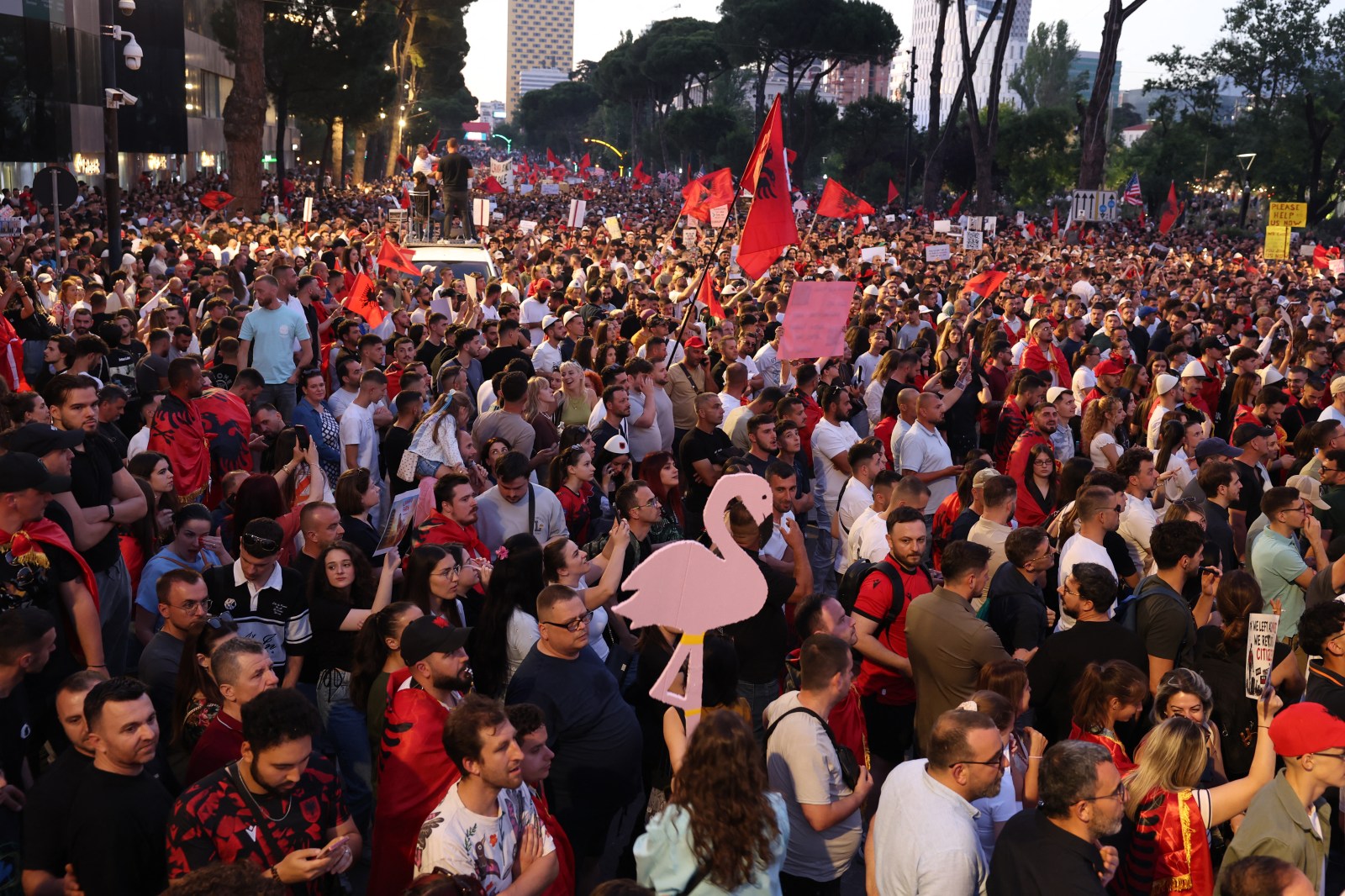
This discontent manifests in ongoing protests. Albanians demonstrate not because of figures like Jared Kushner or Donald Trump. They protest due to government failures and an opposition failing to provide real alternatives. Protesters demand justice, accountability, and a government that serves public interests.
Their demands highlight a desire for systemic change, not just a new government. This issue resonates beyond Albania. Globally, democracies face challenges when they fail to deliver results. Lack of trust in leadership can lead to populism and authoritarian alternatives. Democracies falter not only in conflicts but when they cease to serve their citizens effectively.
Albania’s situation is a warning, yet also a testament to resilience. Citizens remain active, advocating for genuine democratic engagement. Their efforts signal hope and a struggle to ensure democracy remains meaningful.
Rudina Hajdari is Acting Program Director at the Institute for Global Affairs, leading the International Democracy Fellowship. She is a former Albanian Parliament member and has worked with the U.S. House Foreign Affairs Committee. The Institute for Global Affairs is affiliated with Eurasia Group. Views presented in this article are those of the author.