
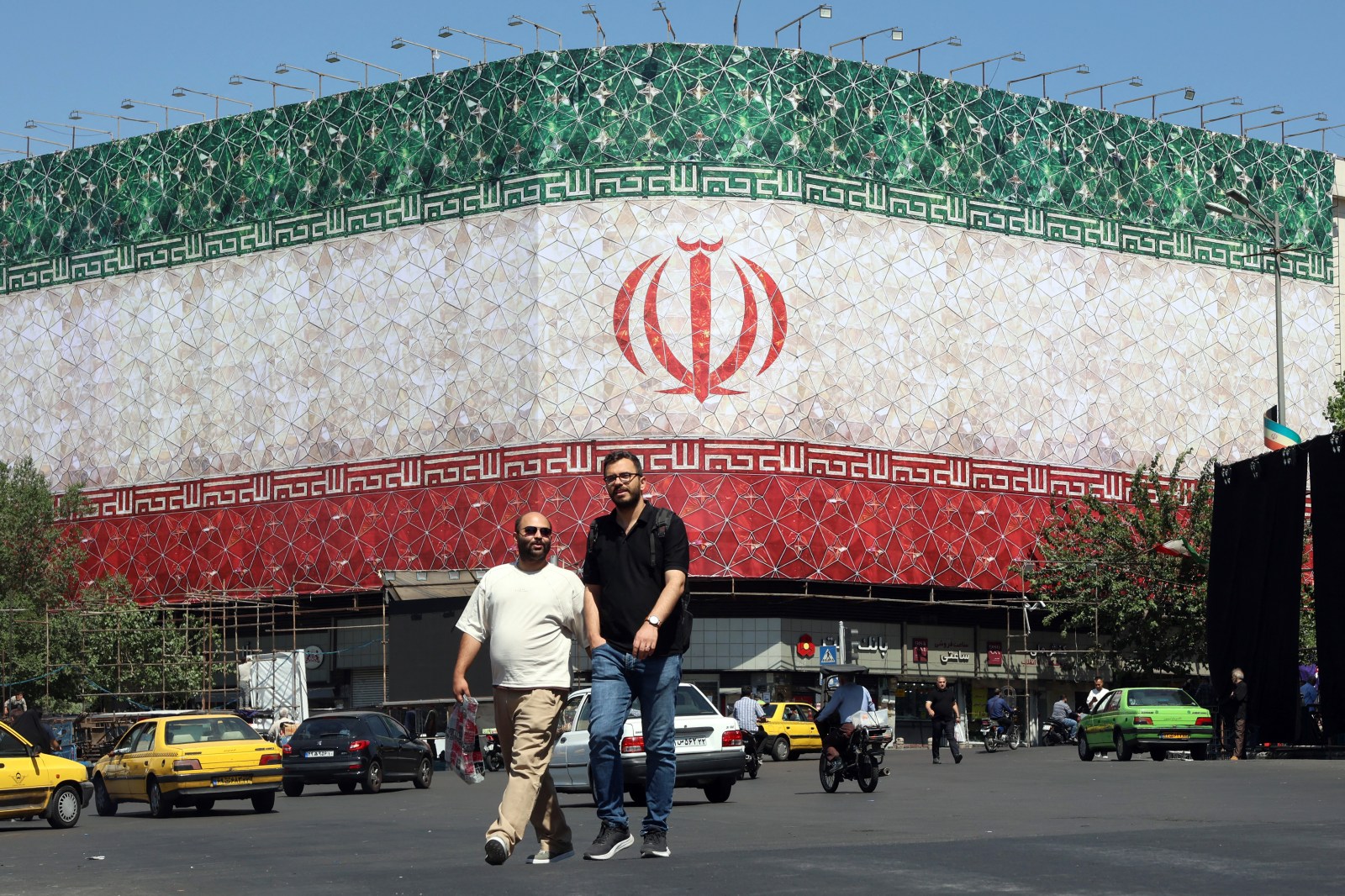
President Donald Trump recently announced on Truth Social about a deal aimed at unblocking the Strait of Hormuz, a move that has sparked questions and criticism. The memorandum of understanding (MOU) to conclude the Iran War has been met with mixed reactions. While many applaud the reopening of the strait, some stakeholders, including Israel, voice concerns.
Israel’s Reaction to the Deal
Israel has been vocal in its criticism of the deal. On Sunday, the Hebrew daily Yediot Aharonot called it a “bad deal.” Israel, which has recently engaged in conflicts with Iran, was not involved in the negotiations according to reports. Along with freeing the waterway controlled by Tehran, the MOU suggests the U.S. will lift its blockade of Iranian ports as both countries discuss Tehran’s nuclear program and sanctions over the next 60 days.
Hamidreza Azizi, an Iran expert at the think tank SWP Berlin, informed Newsweek that there is no clarity on the MOU’s specifics. Hence, making a credible judgment on its potential outcomes is not feasible. Misunderstandings or miscalculations about each party’s commitments could still arise,he mentioned.
Reactions Within Israel
Bezalel Smotrich, Israel’s far-right finance minister, labeled the MOU a threat to both Israel and the free world. He pledged on Monday to continue opposing the regime in Tehran. Similarly, Gadi Eisenkot, Yashar party leader, criticized the deal as inconsistent with Prime Minister Benjamin Netanyahu’s claims of total victory.
U.S. Perspectives on the Agreement
Critics in the U.S., including Democratic Senator Chris Murphy, have also raised concerns. While Murphy welcomed an end to the weakening war, he described the MOU as a concession to Iran. In a statement, Murphy expressed that the terms favored Iran, noting that the Strait’s reopening is not a genuine concession as it was operational before the conflict. He warned that releasing billions in frozen U.S. funds to Iran without a nuclear agreement would diminish U.S. leverage in future discussions.
Nate Swanson, head of the Iran Strategy Project at the Scowcroft Middle East Security Initiative, commented that the MOU’s details seemed temporary and did not resolve critical issues related to the strait or Iranian financial matters. Swanson predicted challenges in achieving a second phase due to the intricacies involved and the U.S. and Iran’s positions.
Uncertainty Over Strait of Hormuz Control
The fate of the Strait of Hormuz remains uncertain. Both Trump and Iran’s Deputy Foreign Affairs Minister Kazem Gharibabadi announced that an agreement would be signed in Switzerland. Nonetheless, the MOU does not specify Tehran’s control over the waterway and its toll system. Reports suggest that Iran, along with Oman, maintains sovereignty, with toll-free passage ensured for 60 days. Despite this, the situation could change, depending on the MOU’s progression.
According to Azizi, if Iran lifts these restrictions temporarily, re-imposing them post-negotiations could be politically challenging unless talks fail entirely. Iran maintains the geographical advantage to disrupt shipping through the strait whenever necessary.
Israel’s Military Stance in Lebanon
Amid the ongoing diplomatic developments, Israel has declared its intention to remain in Lebanon, embroiled in the conflict following Hezbollah’s support for Iran. Israeli National Security Minister Itamar Ben-Gvir stated that the MOU did not obligate Israel, reaffirming Israel’s occupation in Lebanese territories. Defense Minister Israel Katz echoed similar sentiments, indicating Israel’s continued military presence in Lebanon, Syria, and Gaza.
President Joseph Aoun of Lebanon expressed optimism for a resolution between Israel and Hezbollah but acknowledged the enduring Israeli presence in his country.