
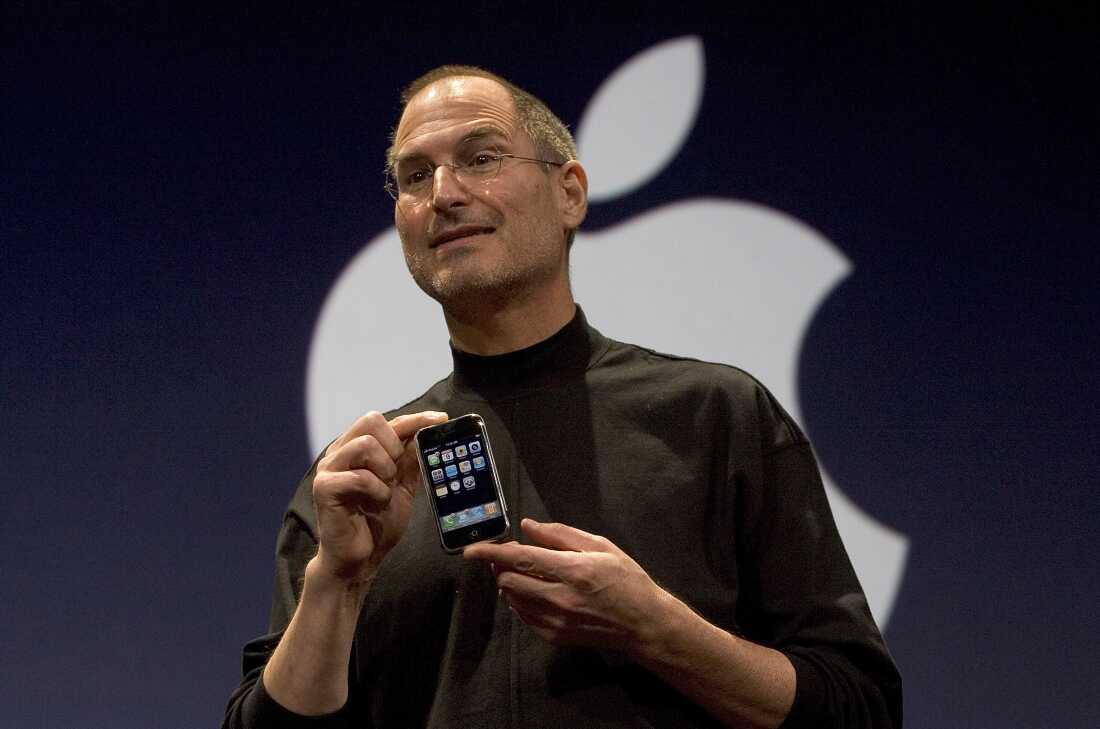
In 2007, Apple CEO Steve Jobs introduced the iPhone. A recent study suggests that the widespread use of smartphones may contribute to the continued decline in birth rates over the past two decades. Economist Caitlin Myers provides a compelling explanation for this trend.
Since 2007, U.S. birth rates have dropped by 22%. Economists initially thought the Great Recession was the cause and expected birth rates to rebound. However, despite economic recovery, birth rates continued to fall. Myers, an economics professor at Middlebury College, notes that a significant change coinciding with the decline in births is the introduction of the iPhone.
Myers’ working paper, “Is the iPhone Birth Control?”, suggests that smartphones may account for a third to half of the birth rate decrease. She tested this theory using a natural experiment. Initially, iPhones worked only with AT&T. In areas where AT&T had coverage, births declined more than in areas with limited coverage.
Some might argue that results were influenced by faster smartphone adoption in urban or affluent areas. However, even when considering factors like population density and local economics, the findings remain consistent.
“You’re probably not going to get pregnant if you’re not interacting with people in person,”
The birth rate drop affected women of all ages, with the steepest decline among teenagers. Jean Twenge, a psychology professor, notes that smartphones altered adolescents’ social behavior. They spent more time online and less time with friends in person. Myers believes this behavior change could lead to fewer pregnancies. She points out that online information about contraceptives and abortion became more accessible. Additionally, easier access to pornography might have reduced the desire for in-person relationships. Myers mentions that her students often suggest this as a factor.
While Apple has not responded to inquiries about the paper, the spread of smartphones continues. Myers raises the question of whether birth rates will stabilize or keep falling. She speculates that smartphones could influence behavior and outcomes like fertility for years. Monitoring future trends will be essential.