
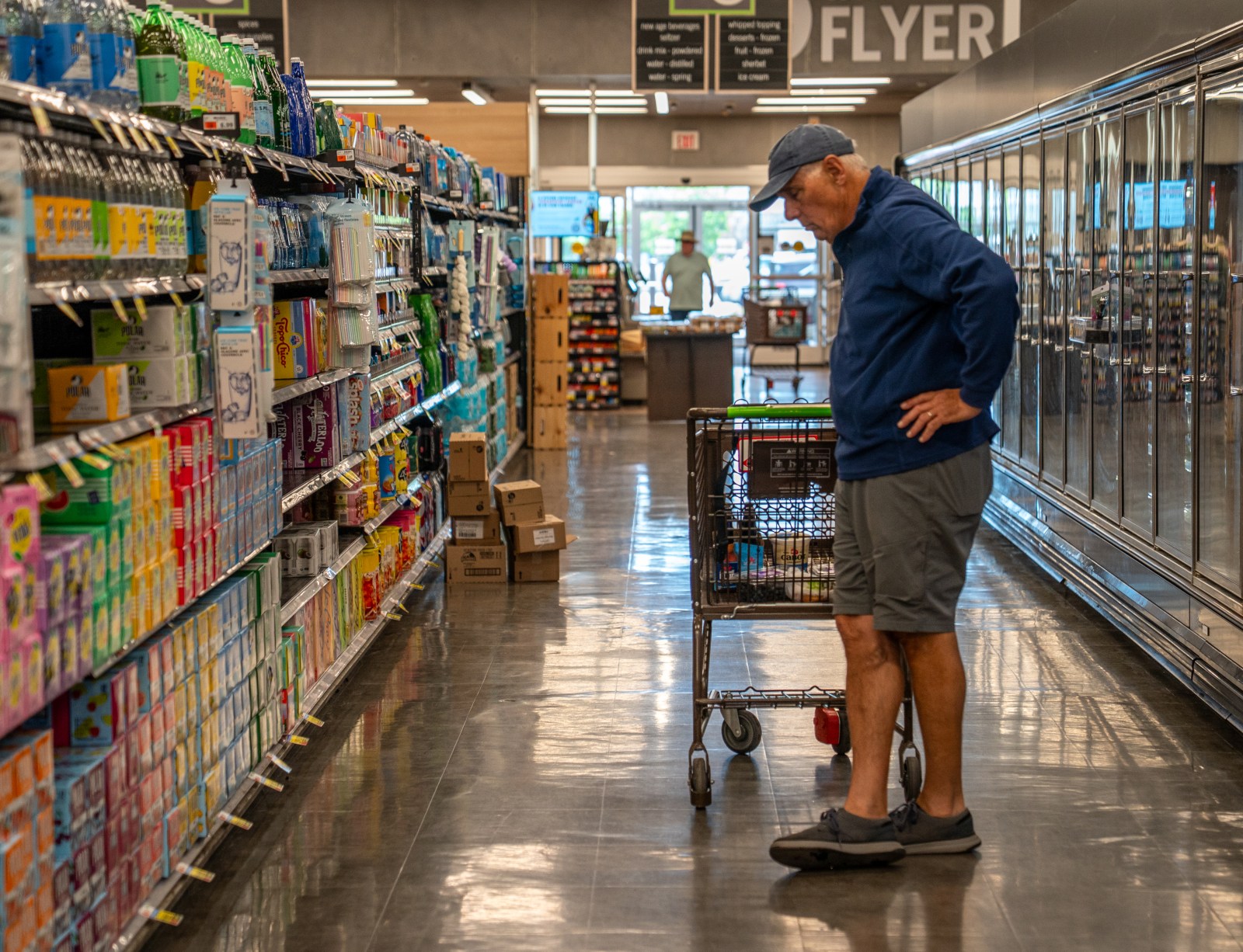
Despite robust consumer spending and employment figures exceeding expectations, the U.S. economy’s strength amidst various pressures surprises many. The term “resilience” frequently appears in the analysis of economic observers, including Sharmin Mossavar-Rahmani from Goldman Sachs, who noted the tendency to underestimate the U.S. economy’s ability to withstand challenges. Moody’s Analytics economist Mark Zandi emphasized the economy’s impressive endurance amid hurdles like higher tariffs, immigration policies, and international conflicts.
Bankrate’s Ted Rossman recently highlighted the surprising durability of consumer spending even with external pressures like increased fuel costs affecting prices. Since February 28, gasoline prices have surged by approximately 40 percent, significantly impacting inflation statistics. The U.S. Department of Labor confirmed that rising fuel costs contributed to reaching the highest inflation level since April 2023.
Despite inflation’s upward trend, resilient consumer spending supported the U.S. economy in adding 172,000 jobs in May, following gains in the previous months. However, this consumer resilience isn’t reflected in economic surveys regarding citizens’ personal financial situations. A Federal Reserve Bank of New York report found an increase in the share of Americans viewing their economic condition as “much worse” than a year ago, reaching 13.3 percent in May.
The University of Michigan documented a record low in consumer sentiment, while the Conference Board noted a decline last month due to inflation fears and labor market pessimism. Michael Weber, a finance professor at ESMT Berlin, observed that strong economic indicators might obscure significant nuances. He explained that consumer spending primarily stems from wealthy households benefiting from rising markets despite broader uncertainties.
A Moody’s Analytics study cited by The Wall Street Journal identified high-earning households as contributors to half of all consumer spending, the largest share since 1989. Meanwhile, economist Douglas Holtz-Eakin pointed out rising credit delinquencies and stagnant wage growth compared to inflation, indicating clear economic strains for many Americans.
Weber suggests consumer sentiment’s stark contrast with economic conditions may stem from priorities, with surveys showing high sensitivity to inflation and visible prices such as gasoline. Regardless of solid aggregate economic activity, elevated everyday prices can maintain household pessimism.
Political dynamics influence perceptions of economic conditions. President Donald Trump faces blame for rising prices, with declining economic approval ratings. President Joe Biden encountered similar issues, with public approval closely linked to inflation trends. The New York Fed observed Americans last felt similarly pessimistic in July 2022, when inflation hit a recent peak, and Biden’s approval ratings dipped significantly.
Holtz-Eakin described the profound negativity in sentiment as striking, noting that frustration becomes bipartisan as traditional partisan advantages diminish. While Republican optimism typically outpaces other groups, their confidence is also waning, posing challenges for the current administration in managing reputational risks linked to inflation and stagnant wages.