
Will County recently celebrated a significant achievement with 1,000 graduates from its problem-solving courts. These programs have not only reduced recidivism rates among participants but have also provided graduates with sobriety and a renewed sense of life. Scott DuBois, coordinator of the problem-solving courts, described the experience as transformational. He noted the profound changes in individuals, seeing them build self-belief and healthier community relationships.
The positive impact of the programs is not limited to the graduates alone. DuBois emphasized the wider benefits experienced by families and communities, stressing a ‘ripple effect’ of recovery and transformation. He labeled this milestone as a major achievement.
Will County State’s Attorney Jim Glasgow has been instrumental in establishing these courts. His efforts began in 1998 when he secured initial grants to launch a local drug court. With substantial funding, including a $500,000 grant from the U.S. Department of Justice, the first drug court was inaugurated in 2000. Since then, the initiative has grown to encompass mental health, veterans, and the Redeploy Illinois program, collectively forming the problem-solving courts.
Fabiola Findlay of Joliet, a participant through the mental health court, praised the program for providing access to unfamiliar resources. The court-ordered therapy she received transformed her, teaching her to trust the process and remain committed. After over a year in the program, she hosts a recovery group, sharing her experiences to encourage others.
Findlay believes in self-acceptance and accountability, stating she values life more now. She intends to become a certified recovery coach, helping others on their journey.
Participants must apply to the program while in the judicial system, requiring nonviolent crimes and court approval. The court-provided structure guides individuals through five phases, starting with substance cessation and community connection. Over 18 months, individuals develop skills in employment, education, and relationships, with support from caseworkers and the Workforce Center of Will County.
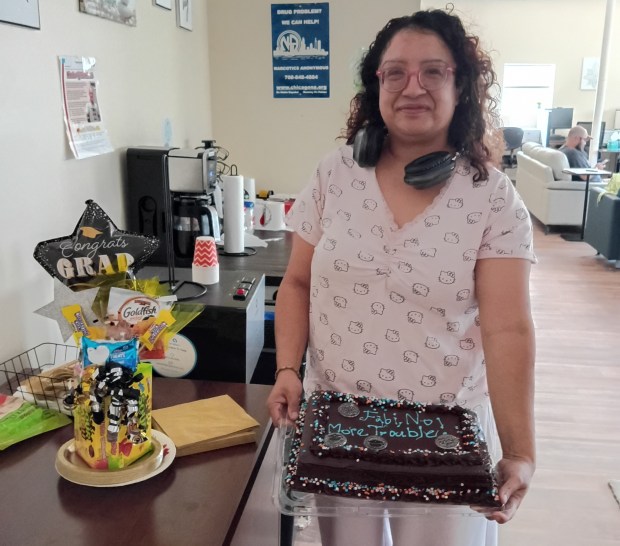
Program graduate Magdalena Campos, who achieved four years of sobriety, leads an alumni support group, emphasizing the importance of connection. The alumni group hosts events to foster continued support and community among graduates.
The efficacy of the program is evident, with 80% of participants graduating and significantly lower recidivism rates compared to those who do not participate. DuBois highlighted that treating and rehabilitating individuals cost notably less than incarceration, reinforcing the value of the problem-solving courts.
Glasgow acknowledged the essential work of judges and counselors, noting the community benefits from reform rather than habitual offending. Rehabilitation keeps communities safer, and stories of heroism from program participants, like a person who saved lives, demonstrate the potential within these individuals. Glasgow stated that these programs help create productive citizens, underscoring their societal value.