
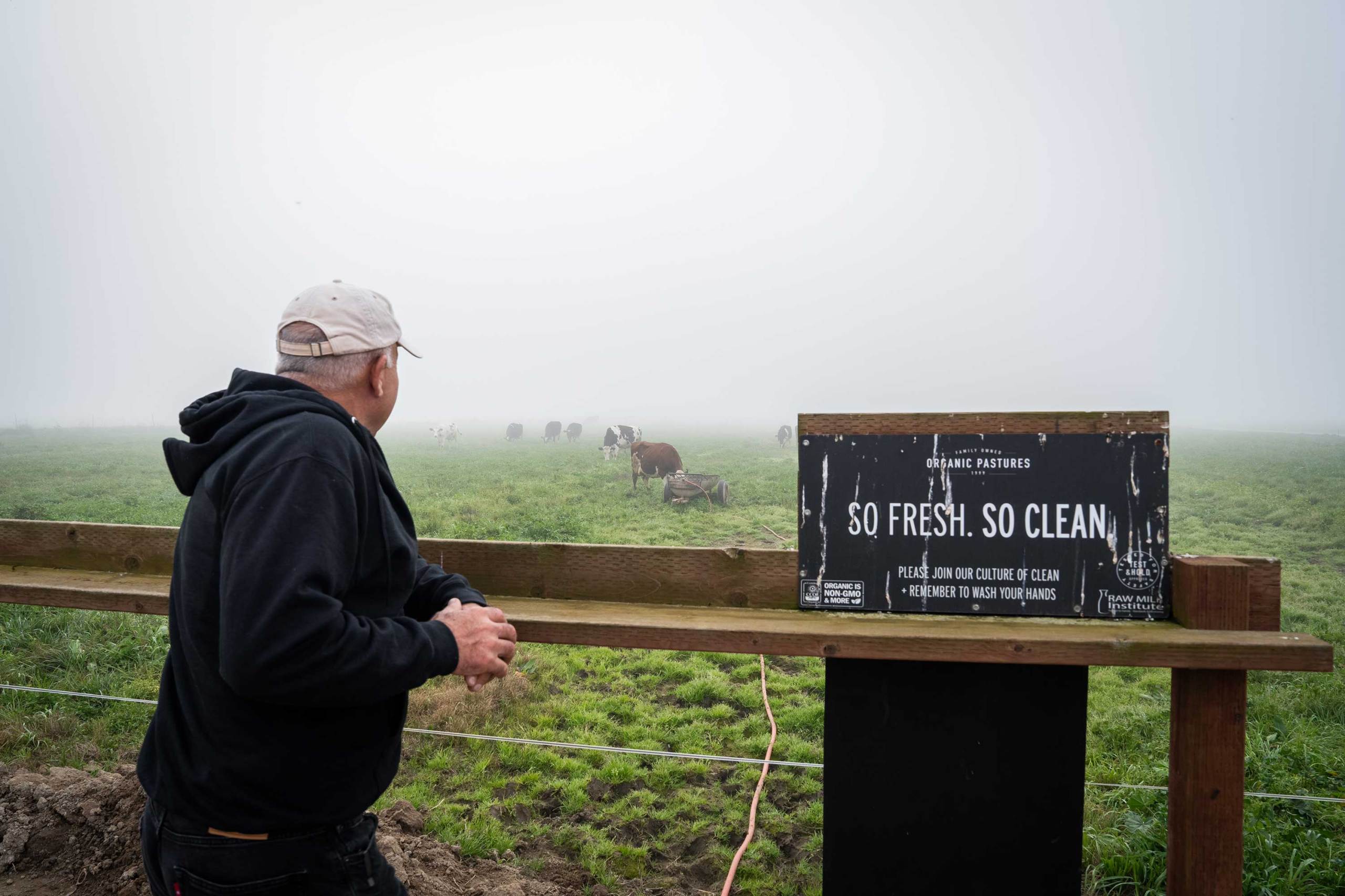
Raw milk has gradually transitioned from a niche interest to a widespread consumer demand, influenced by political shifts and wellness trends. Despite rigorous hygiene measures, unpasteurized milk remains a significant risk for contamination with harmful bacteria like E. coli and salmonella, posing potential health dangers.
The Myth of Safety
While cleaning efforts are enhanced, inherent risks associated with raw milk persist. Contamination with deadly bacteria is a risk that cannot be entirely avoided. Public health experts largely agree that raw milk provides no additional nutritional benefits compared to pasteurized milk, cannot treat diseases, and significantly increases the risk of foodborne illness.
Political Endorsement
Despite these concerns, raw milk has gained support from high-level lawmakers who advocate for its expanded distribution. Some officials are more focused on the industry’s growth rather than mitigating potential public health risks. This support has coincided with a surge in consumer demand.
“I’m a pioneer,” said Mark McAfee, founder of Raw Farm, highlighting his push against conventional health norms.
McAfee’s farm has faced numerous pathogen outbreaks linked to its products. Yet, political changes have stalled significant regulatory actions, reinforcing doubts about institutional trust.
The Raw Milk Appeal
Demand for raw milk has accelerated, driven by consumer preference for foods perceived as less industrially processed. Advocates view raw milk as a symbol of food freedom and autonomy against mainstream health institutions. Currently, over 10 million Americans consume it, with national sales rising by 65% from 2023 to 2024.
Inside Raw Farm
McAfee’s farm uses meticulous milk screening methods. However, when problematic batches arise, they often convert the milk into cheese, relying on an aging process that they claim combats pathogens, even though research suggests aged raw cheese still harbors risks.
The Regulatory Environment
Despite clear health warnings, regulatory agencies aim to balance consumer freedom with public safety. State regulators test raw milk monthly but stress the superior safety of pasteurized products.
Consumer Perceptions
Many of raw milk’s supporters believe they benefit despite the documented risks. Consumers are motivated by anecdotal health recoveries, seeing these stories as evidence against scientific skepticism. However, scientists, including food safety expert John Lucey, emphasize that farming environments inherently carry bacterial contamination risks, challenging the notion that personal relationships with farmers guarantee safety.
A Pervasive Issue
Recent years have seen raw milk-related outbreaks in multiple states, highlighting a persistent health risk. Health officials doubt that consumers fully appreciate these risks, though incidents of illness suggest otherwise.
McAfee’s Legal Battles
McAfee’s legal entanglements began with federal scrutiny over selling raw milk across state lines under pet food labels. Although pursued by the DOJ, recent political shifts have softened regulatory enforcement, allowing McAfee to continue his operations.
Continuing Advocacy
Despite setbacks, McAfee remains vocal about the supposed benefits of raw milk. With potential legislative changes on the horizon, which may ease interstate sales restrictions, raw milk advocates persist in their efforts to expand availability.
The ongoing challenge lies in informing the public adequately while respecting their right to choose. At a recent gathering on his farm, McAfee found vocal support from consumers who emphasize personal choice and natural health.