
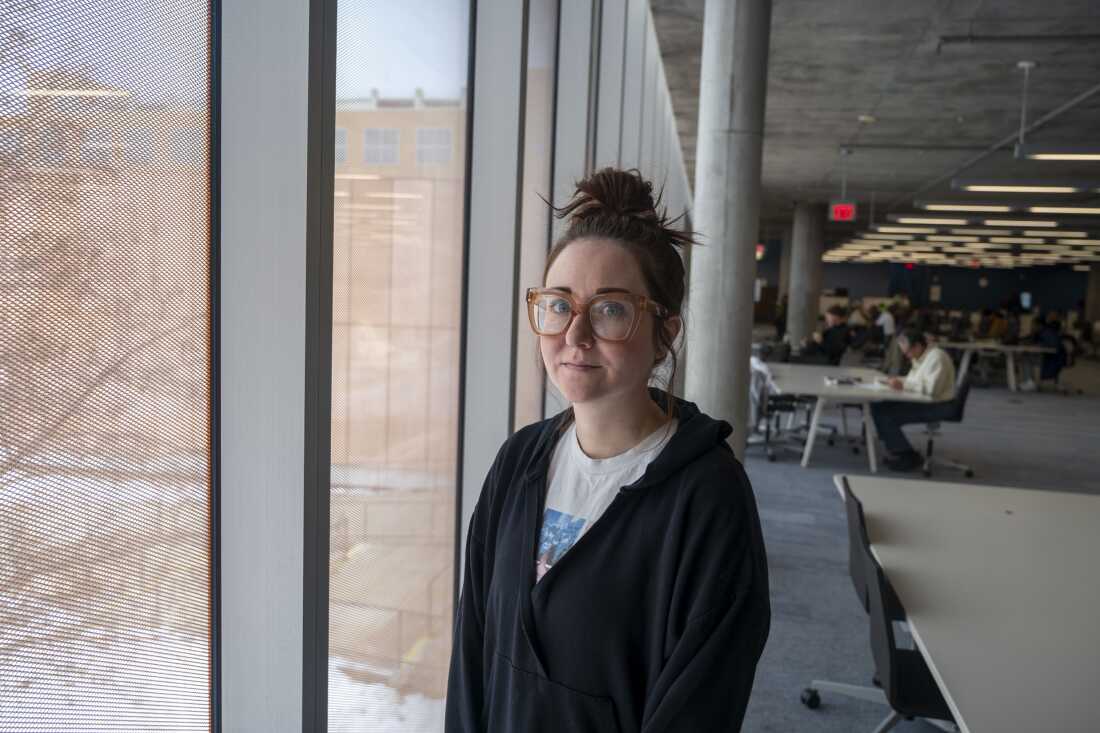
Morgan Newman faced a life-changing moment in 2015. She was working as a dental assistant in Des Moines, Iowa, while studying to become a social worker. A routine Pap smear returned abnormal results, prompting further examinations. At only 24, Newman initially felt little concern.
“I didn’t think anything of it,” she said. Many of her friends had faced similar experiences without serious issues. However, during a follow-up exam, heavy bleeding halted the process. She was then referred to a gynecologic oncologist and soon diagnosed with cervical cancer. This diagnosis came just as Newman had moved into her first apartment.
Cancer survival rates are rising. Nationwide, more than 18 million cancer survivors existed in 2025, with projections to reach 22 million by 2035, according to the National Cancer Institute. Despite survival, many face enduring mental health challenges. Newman underwent six weeks of radiation and chemotherapy. Her scans were clear initially, but later, suspicious nodules appeared in her lungs. Additional chemotherapy followed, along with increased side effects.
Newman struggled emotionally as friends progressed in life. “My friends were getting married, they were having children,” she remarked. Mental health support was beyond reach due to therapy costs and her busy schedule.
By 2017, with a new job that offered better health benefits, Newman returned to therapy. She maintained anxiety about cancer’s return and grappled with radiation’s toll on her fertility. Yet, Newman’s story turned toward advocacy. She became Iowa’s grassroots manager for the American Cancer Society’s lobbying arm. Additionally, she served on boards of local cancer organizations. Therapy continued to be a tool for managing anxiety and the enduring impact of her treatment.
“The fear of the unknown really takes over,” she expressed.
Cancer’s ‘Silent’ Impact
Cancer survivors often struggle with anxiety and depression years post-treatment. Cancer Nation’s survey of post-treatment patients revealed about a third experienced anxiety about cancer’s potential recurrence. Many felt disconnected from their former selves, while only one in five sought mental health support.
Shelley Fuld Nasso, CEO of Cancer Nation, noted the lack of therapists fully understanding cancer’s impact. This shortage is evident in Iowa, which has the second-highest rate of new cancer diagnoses. University of Iowa scientists are investigating the reasons behind this statistic, compounded by the rural nature of the state and a scarcity of mental health professionals.
Efforts to Address Mental Health
The MercyOne Richard Deming Cancer Center in Des Moines expanded services to include yoga and counseling to support patients’ mental health. Yet, finding experienced therapists remained a challenge for many.
Newman found help in Julie Larson, a Des Moines therapist with experience in cancer patient care. “I needed something specific to what I was going through,” Newman noted. Larson’s practice often welcomes clients post-treatment, who seek support for physical changes and emotional challenges that friends and family might not fully understand.
The Role of Oncology in Mental Health
Oncology traditionally overlooks mental health, Patricia Ganz, an oncologist at UCLA School of Public Health, observed. Awareness of psychological distress screening is growing. However, services are not always available, even when screenings suggest they are needed.
The Richard Deming Cancer Center’s approach tries to cover more than physical health. Dr. Richard Deming emphasized the need for comprehensive patient care. “We have to ask, ‘What are the issues you’re experiencing?'” he stated, advocating for a more holistic focus in oncology treatments.