
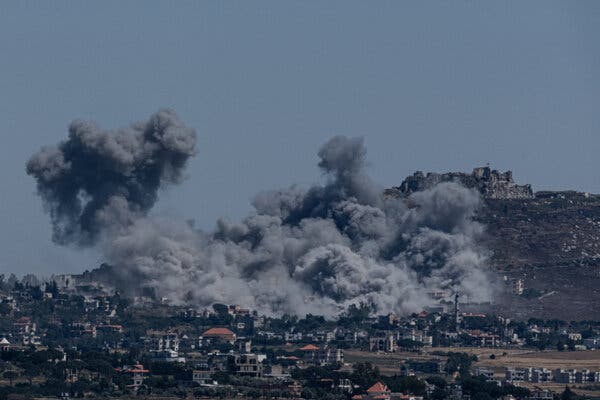
The recently brokered cease-fire agreement by the U.S. faces significant hurdles in Lebanon. Although the deal was designed to halt hostilities, events on Thursday showed limited progress in stopping the ongoing conflict. Israeli airstrikes continue in southern Lebanon, and Hezbollah maintains its attacks with rockets and drones.
This cease-fire, formulated by the Trump administration, demands that Hezbollah, an Iranian-backed organization, withdraw from the Lebanese areas neighboring Israel. It also calls for a complete stop to all attacks by Hezbollah. The agreement does not require Israel to make immediate concessions, and Hezbollah was excluded from the cease-fire negotiations, leaving the Lebanese government with little influence over the group.
On Thursday, Hezbollah leader Naim Qassem dismissed the U.S.-brokered deal, arguing it essentially required his group to capitulate while Israel maintained its offensive. Qassem insisted that any cease-fire must include the cessation of Israel’s military actions and a full withdrawal from Lebanese territories occupied since March.
The ongoing conflict emphasizes the deal’s limitations and its minimal impact on the ground for civilians caught in the crossfire.