
In recent developments, even if the United States and Iran reach a peace agreement, prewar energy dynamics in the Strait of Hormuz won’t quickly return to normal. After mine clearance, tanker captains will face risky decisions regarding passage, and insurance costs could increase trip expenses by millions.
The global response to these changes reflects the adjustments seen during the Covid-19 pandemic and Trump’s tariffs, prompting logistical rewiring. Instances include people limiting driving as gas prices rise sharply. Walmart reports that customers buy less than 10 gallons of gas at a time on average at its stations.
Countries like the United States, Brazil, Canada, Kazakhstan, and Venezuela are boosting oil production. The U.S. Strategic Petroleum Reserve also supplies large crude oil releases to offset shortages. Markets adapt, finding alternative supplies when traditional ones vanish.
The transition isn’t smooth. Qatar, reliant on Strait passage for liquefied natural gas exports, anticipates a 9% or greater economic contraction according to the International Monetary Fund. Overall Gulf growth forecasts have been halved.
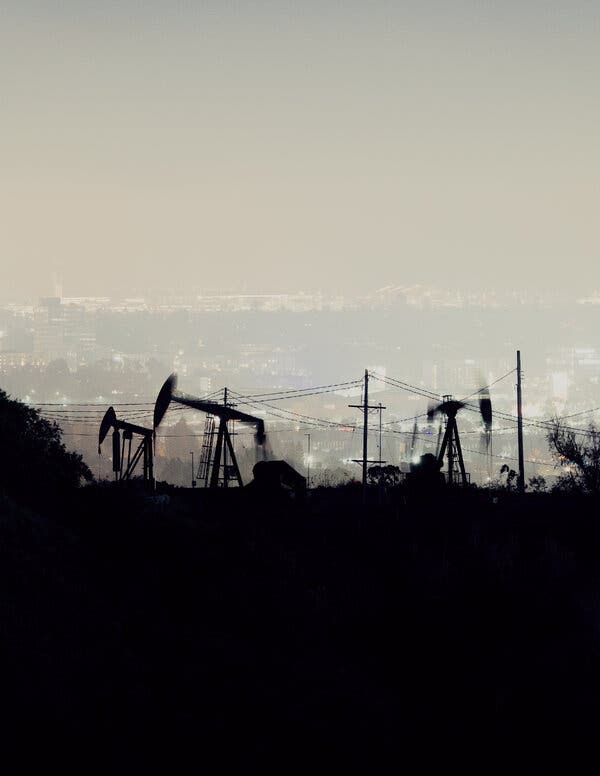
Despite sufficient domestic supply, California’s average gas price is around $6 per gallon, with the national average at $4.25, due to global market influence. German petrochemical production faces pressure from rising natural gas costs. Loss of Gulf fertilizer has increased food costs from Egypt to Indonesia.
Dynamic markets continue to adjust. Some oil exits the Gulf through ships that manage traversals, aided by U.S. protection, and via Saudi Arabian and UAE pipelines. These pipelines can compensate for up to a quarter of typical seaborne flows. Controversially, the Trump administration eased Russian oil sanctions, lessening domestic pressure, despite aiding Russia’s activities in Ukraine.