
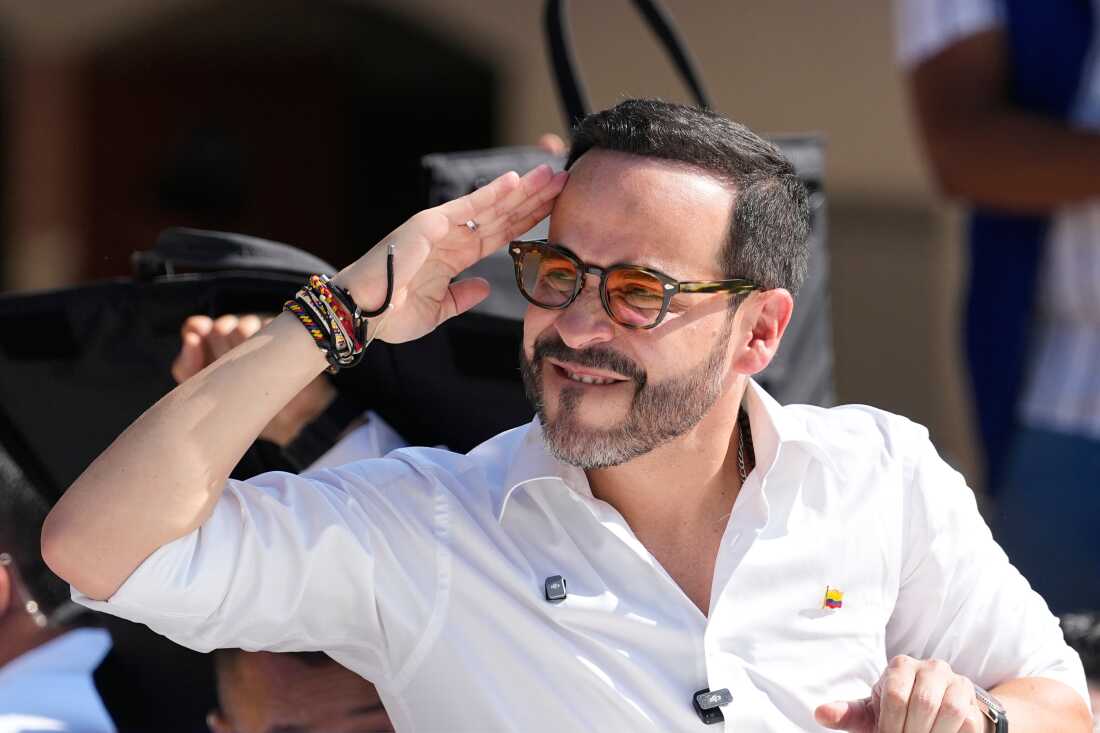
The presidential election in Colombia on May 31, 2026, saw Abelardo de la Espriella leading the race, following the initial round of voting in Barranquilla. As the candidate from the Defenders of the Motherland movement, de la Espriella made significant gains, paving the way for a runoff with Iván Cepeda. Cepeda is an ally of Colombia’s current President, Gustavo Petro.
Though no candidate secured an outright majority, de la Espriella claimed 44% of the votes, while Cepeda garnered 41%, with nearly all votes counted. This outcome forces a second round scheduled for June. However, Cepeda and Petro raised concerns about the election results, alleging manipulation without providing evidence. Cepeda, a progressive senator, stated his intention to uphold a plan for ‘total peace’ through negotiations with guerrillas and criminal gangs.
Before the vote, Cepeda led in polls, but de la Espriella’s emphasis on combating armed groups quickly garnered support. This close contest presents challenges for Cepeda, as de la Espriella aims to attract voters from other conservative candidates. Known as ‘El Tigre’ or ‘The Tiger,’ de la Espriella positions himself as an advocate of U.S. President Donald Trump’s policies.
“Let the United States of America and democratic parties monitor this runoff election. I will lead this battle; I will be Colombia’s best warrior,” de la Espriella asserted during an emphatic speech following the voting.
Across Latin America, voters have increasingly favored leaders promising strict security measures over progressive approaches addressing deep-rooted conflicts. This trend manifests against a backdrop of assertive U.S. involvement, urging nations such as Colombia to intensify crime suppression.
The election distinguishes sharply contrasting visions for peace in Colombia, a nation long affected by violence. Cepeda aligns with Petro’s progressive agenda, attempting peace pacts with armed groups, which contrasts starkly with Trump’s envisioned approach for the region. De la Espriella, meanwhile, pledges firm actions against criminal elements and proposes building mega-prisons, reminiscent of El Salvador’s policies under President Nayib Bukele.
For many Colombians, the election represents a referendum on Petro’s policies and the historic peace accord with FARC rebels signed a decade ago. While violence has resurged, some blame territorial expansions by armed groups on the peace dealings with Petro’s administration.
Fatal confrontations, including the shooting of candidate Miguel Uribe Turbay last June, have marred the election atmosphere. Despite setbacks, Petro’s initiatives, such as increasing the minimum wage, retain support for Cepeda. De la Espriella ties himself to Trump, while Valencia’s electoral loss signals a decline in Uribismo’s influence.
Voters like Maria Eugenia express support for de la Espriella due to escalating violence in rural areas, despite appreciating Petro’s healthcare improvements. Concerns exist that negotiating peace might inadvertently empower armed groups.
Conversely, Juan Acevedo, a sociologist, opposes reverting to hard-line military actions, emphasizing Cepeda’s approach to violence as more sustainable. Although Petro’s efforts face critique, Acevedo urges continued efforts at reform.
Colombia’s prolonged history of conflict poses risks of reverting to militarized responses that could perpetuate violence. Acevedo warns against solving problems solely through force, advocating for a nuanced approach to peace.