
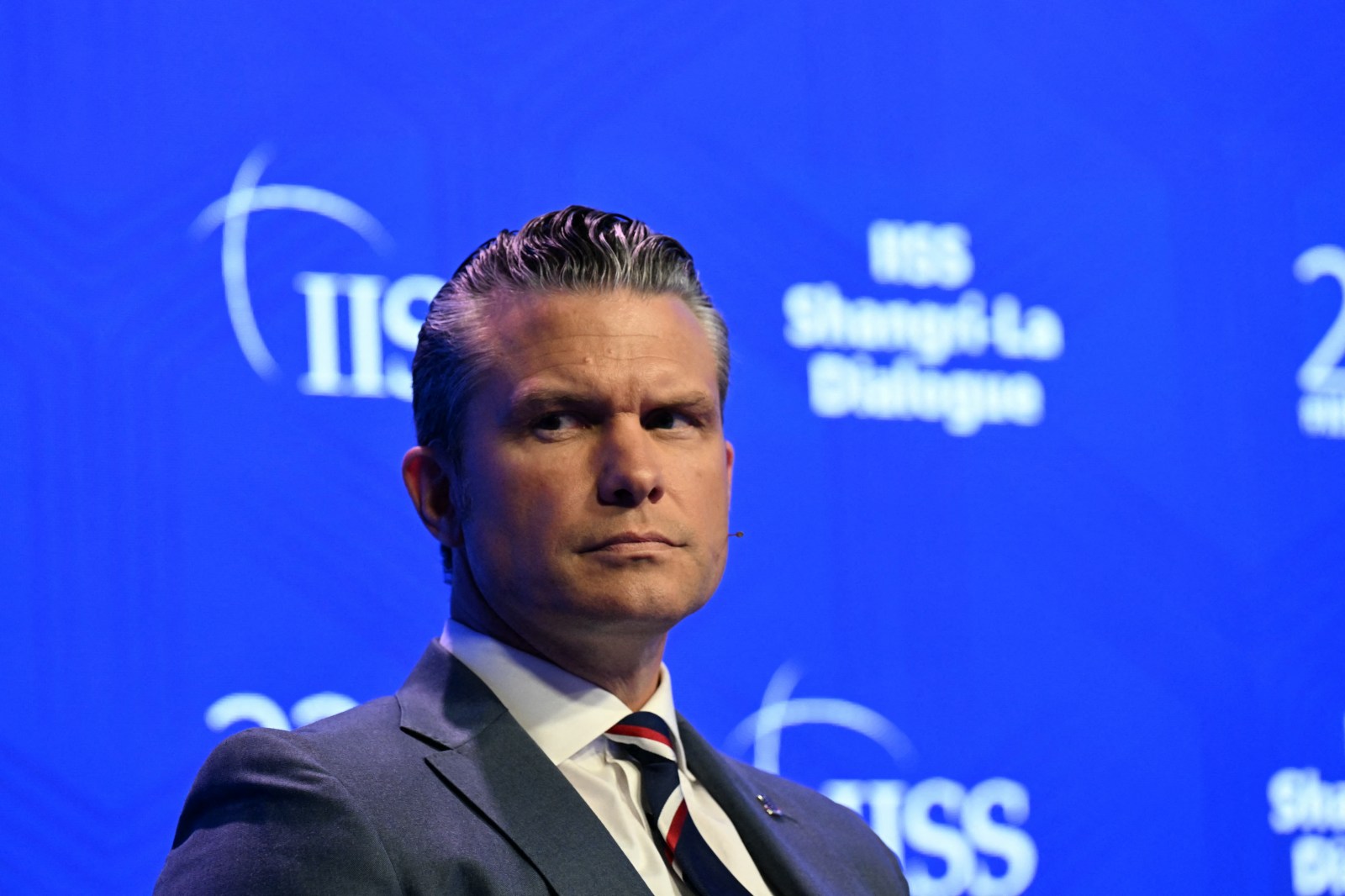
Conditional U.S. Support in Asia-Pacific Region
Defense Secretary Pete Hegseth urged Asian allies and partners to significantly increase their defense spending. This shift suggests that U.S. support might become more conditional, a notable change in a region that has traditionally depended on American military power to maintain stability.
Hegseth called on Asia-Pacific countries to allocate 3.5 percent of their GDP to security. He stated that nations demonstrating commitment to U.S.-led regional defense efforts would see benefits such as expedited arms sales, deeper industrial collaboration, and expanded intelligence sharing.
Impact of Hegseth’s Remarks
Hegseth’s comments align with a broader effort to tie U.S. security commitments to increased defense spending by allies. This approach echoes former President Donald Trump’s push for NATO members to spend 5 percent of their GDP on defense by 2027.
Current Defense Spending in the Region
The defense spending benchmark set by Hegseth represents a challenging target for many regional allies. Currently, none of the major U.S. partners in Asia meet the 3.5 percent goal. Singapore and South Korea are closest, with approximately 2.8 to 3 percent and 2.8 percent of GDP respectively. Japan is working towards 2 percent, while Australia also allocates about 2 percent.
Case Study: The Philippines
The Philippines serves as an example of an ally engaging in burden sharing, illustrated by its hosting of the largest-ever Balikatan joint military exercises. Despite a 12 percent increase in defense spending last year, its budget still falls short of the 3.5 percent target.
“It is especially difficult for agricultural economies to reach,” said Philippine Defense Secretary Gilberto Teodoro. “For an archipelago of 7,600 islands, where infrastructure needs are high, achieving the target is challenging.”
Economic Constraints in Malaysia
Hegseth’s proposal also presents challenges for Malaysia, a nation that trades extensively with China but maintains strong security ties with the U.S. Malaysian Defense Minister Mohamed Khaled Nordin highlighted the financial constraints his country faces.
“We recognize the strategic role of the U.S., but countries have varying circumstances and priorities,” Nordin noted.
He expressed concerns that increasing defense budgets could harm other important development areas, affecting overall stability.