
The recent revelations about Graham Platner, a prominent Democratic candidate from Maine, have stirred up considerable controversy within the party. Reports surfaced indicating that Platner has been involved in sending explicit texts to multiple women over recent years, despite being married. This is yet another scandal in a series of troubling incidents associated with Platner.
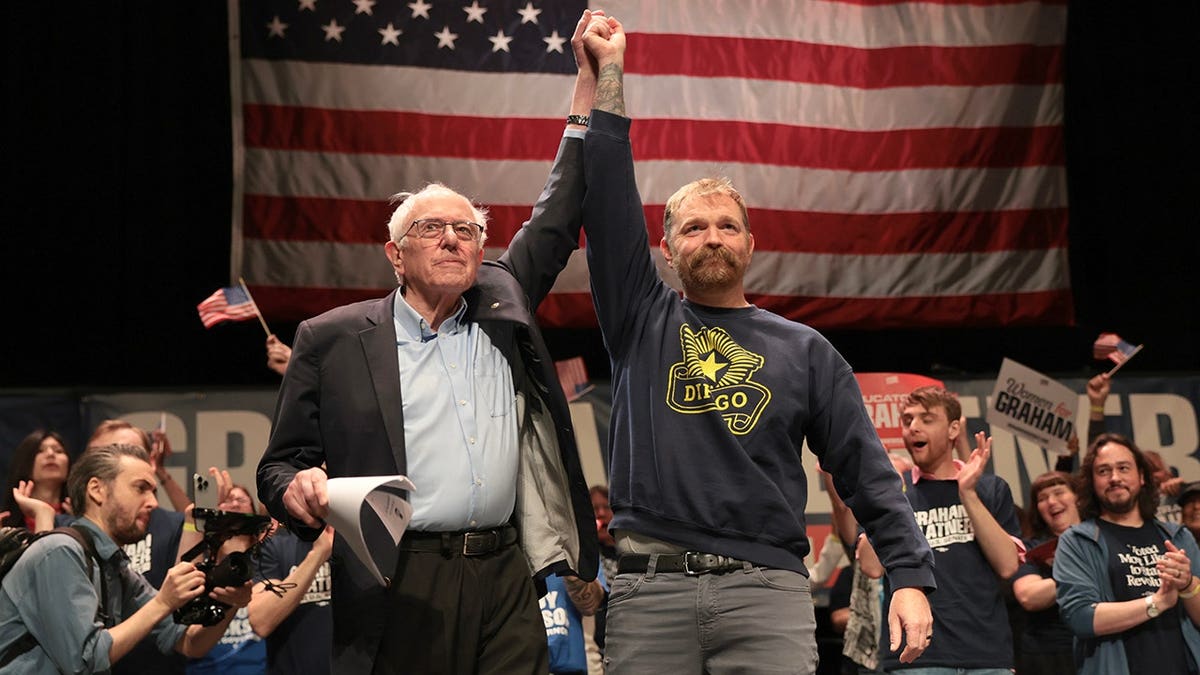
Platner’s past controversies include hiding a Nazi-related tattoo and making derogatory remarks on social media. Even amidst these issues, he stood alongside Sen. Bernie Sanders at a public event last weekend, signaling his continued presence in the political arena.
A significant revelation in the latest scandal was that it was leaked by fellow Democrats, indicating growing internal tension. The party might be starting to see the consequences of empowering a candidate whose socialist leanings are proving difficult to manage.
Recently, efforts within the Democratic establishment appear to be undermining Platner’s campaign. Despite his democratic opponent stepping down and favorable poll numbers against incumbent Republican Sen. Susan Collins, Platner’s candidacy is under scrutiny. A Democratic insider leaked information originally flagged by Platner’s wife, raising questions about the timing and motivations behind the disclosure.
A notable comment came from Rep. Jake Auchincloss D-Mass., who labeled Platner’s actions, including his tattoo, as ‘disqualifying.’ Although Auchincloss softened the criticism later, emphasizing the importance of defeating Collins, the initial reaction was significant given the primary’s supposed resolution.
Sen. John Fetterman has long spoken against Platner’s capability for office, citing the recent scandal as further proof. His comments highlighted ongoing issues within the Democratic party, with some members trying to dissociate from Platner’s controversies.
Additionally, New York City Mayor Zohran Mamdani recently withdrew support from a veteran Democratic representative, endorsing a socialist candidate, reflecting broader tensions within the party. The momentum of socialist factions seems to be challenging traditional Democratic strongholds.
Supporters of Platner, including some who have backed Mamdani’s political success, are defending him despite the recent leak. They argue that Platner is a victim of betrayal within the party, although public opinion may not heavily weigh internal campaign disputes. Voters tend to focus on broader political implications.
Emerging figures within the party, such as Rep. Ro Khana, are actively campaigning with Platner, demonstrating continued support despite mounting allegations. Meanwhile, the influence of figures like Hasan Piker is growing in the party, overshadowing traditional leadership voices.
Rumors suggest attempts to replace Platner before the November ballot, possibly reinstating Mills. Such a move represents an effort to restore stability but may be seen as too late to reverse the socialist influence.
Overall, the ascendance of the far left within the Democratic Party is increasingly evident. Traditional Democrats are becoming aware of the potential loss of their political grasp as socialist agendas gain traction. It remains to be seen how these dynamics will unfold, but the urgency of address is clear.