
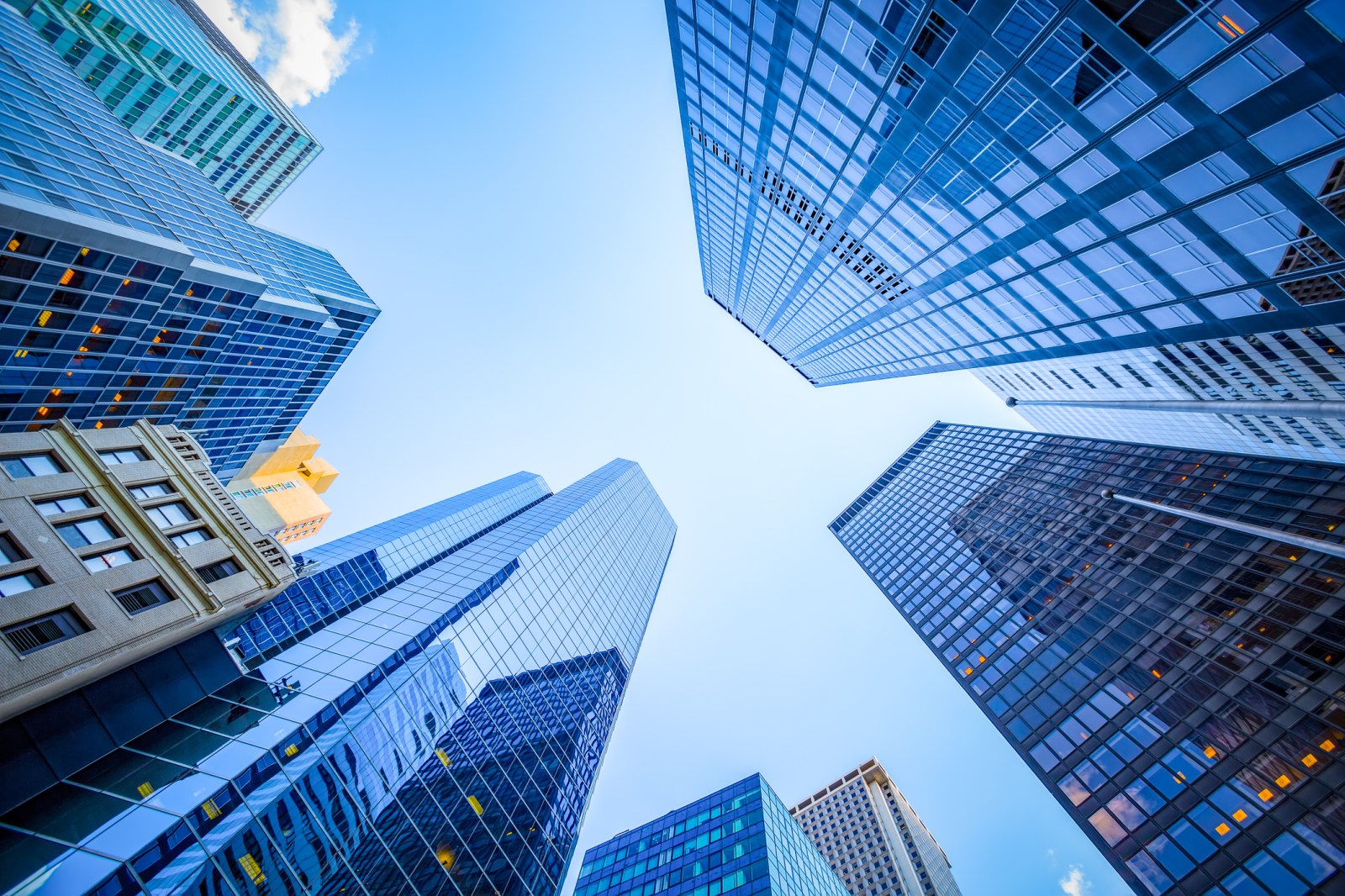
Skyscrapers are known for their towering heights and shiny exteriors. But much of their complexity lies hidden within their structures. Behind visible floors and observation decks, there are hidden levels essential for stability, safety, and functionality, though invisible to most occupants.
Zaeem Chaudhary, director and chartered architectural technologist at AC Design Solutions, explains that these hidden floors are more common than most realize. They are often omitted from public floor numbering and include mechanical plant floors, structural transfer levels, and fire refuge floors. These exist for engineering and safety, yet remain unoccupied and publicly unacknowledged.
Despite being out of sight, these hidden floors are crucial for the operation of every skyscraper. From mechanical systems and structural cores to refuge levels and damping systems, these represent the unseen engineering that allows skyscrapers to reach extreme heights.
The Push for Efficiency and Sustainability
As urban areas become more crowded, architects and engineers focus on making tall buildings efficient and sustainable. Research indicates a shift toward reducing energy consumption and integrating renewable systems. The urgency is apparent—buildings and construction are responsible for about 37% of global CO₂ emissions, according to the United Nations Environment Programme.
Vertical construction becomes necessary in cities with limited land, urging designers to rethink how skyscrapers consume energy, use materials, and configure space to accommodate growing urban populations.
The Invisible Infrastructure
At the core of every skyscraper are mechanical floors. These levels house essential systems, including heating, ventilation, electrical equipment, and water infrastructure. Mechanical floors are a universal aspect of high-rises, often located at various points in the structure for effective operation. High-rise buildings typically need multiple mechanical levels because a single ground-level plant room cannot run all services efficiently.
Hassan Baloch, a structural engineer and founder of Civil Engineering Daily, notes that skyscrapers have floors not used as offices or living spaces. Containing systems like HVAC units, water tanks, pumps, electrical substations, and fire protection, these floors are crucial. Although invisible to occupants, they are what keep tall buildings operational.
In megatall structures such as Dubai’s Burj Khalifa, these systems span multiple floors, often requiring higher floor heights to fit larger equipment. Such infrastructure is pivotal for creating a ‘vertical city,’ where essential services function seamlessly across hundreds of meters.
Structural Floors That Don’t Exist—On Paper
Among the hidden elements in skyscrapers are structural transfer floors. These stories are filled with beams and load-distribution systems instead of usable space. As Chaudhary points out, these floors support changes in a building’s structural layout, such as transitioning from a wide lobby to a denser residential grid above. The entire floor is occupied by structural elements, and it won’t appear on elevators’ floor lists.
Engineering literature highlights that such transfer structures redistribute loads across columns and cores, enabling flexible architectural layouts while maintaining stability. Though unseen, these spaces are vital.
Similarly, outrigger and belt-truss systems form another hidden layer. These elements link a building’s core to its outer columns, increasing stiffness and minimizing sway from wind, the primary load in skyscrapers. These structural components create non-occupiable zones, often combined with mechanical floors.
Handling Wind and Safety Concerns
Tall buildings face challenges from wind-induced motion. Engineers often use tuned mass dampers to counteract this. These systems absorb energy, reducing vibrations and enhancing safety and comfort. They are calibrated to a building’s natural frequency, helping stabilize structures under wind or seismic forces.
Refuge floors, part of safety design, are essential. Required by fire codes, they provide safe areas where occupants can wait during emergencies instead of evacuating down many flights. These floors are part of phased evacuation strategies suitable for tall buildings.
Beyond these, skyscrapers include lift overruns, communication rooms, roof plant spaces, and interstitial zones hidden within walls or ceilings. Brenner explains that ‘interstitial space’ in buildings can house structural trusses, large mechanical equipment, or voids like the underside of observation decks or structures concealing rooftop machinery.