
Two women in Washington made history as they advanced further in the Navy SEALs’ rigorous training than any women before. Although they did not complete the course, their progress marked a significant step since the inclusion of women in special operations in 2016. An enlisted sailor and a naval officer entered the Basic Underwater Demolition/SEAL (BUD/S) training at Naval Amphibious Base Coronado, reaching the third week before Hell Week.
Both women faced challenges; the officer voluntarily left the course before Hell Week, while the sailor was medically withdrawn. Despite this, they set a new benchmark for female candidates. Historically, nearly half of all candidates are removed or rolled back before Hell Week. Data from 1998 to 2023 indicates that Hell Week is one of the most demanding parts of the six-month SEAL training.
Hell Week tests candidates’ physical and mental endurance with tasks like minimal sleep, carrying logs, launching boats, and long-distance runs. A spokesperson for Naval Special Warfare Command emphasized their commitment to maintaining candidate privacy and course integrity.
Women have long played critical roles in U.S. special operations. During World War II, they gathered intelligence and coordinated supply drops. The 1988 ‘Risk Rule’ limited women’s combat roles, but this was changed following the Gulf War as Congress allowed women in combat aviation. In 1994, gender-based combat restrictions were lifted, and by 2016, women could attempt to join elite units like Navy SEALs.
The SEAL training pipeline is challenging, with about 68% of candidates not completing it. Attrition is highest during the initial seven-week phase, including Hell Week. Although Hell Week is notorious, more candidates drop out during earlier weeks. Later phases see much lower attrition rates.
In 2021, the first female Special Warfare Combat Crewman graduated, reflecting the Navy’s 35% graduation rate for candidates. Special Warfare Combatant-Craft Crewmen (SWCC) perform essential maritime operations linked to SEAL missions.
Other branches have seen female candidates attempt special operations roles. No women have passed Marine Raider training, and only a few have succeeded in the Air Force’s special operation jobs. In 2020, a second woman completed the Army’s Special Forces Qualification Course, joining a limited group of women achieving Green Beret status.
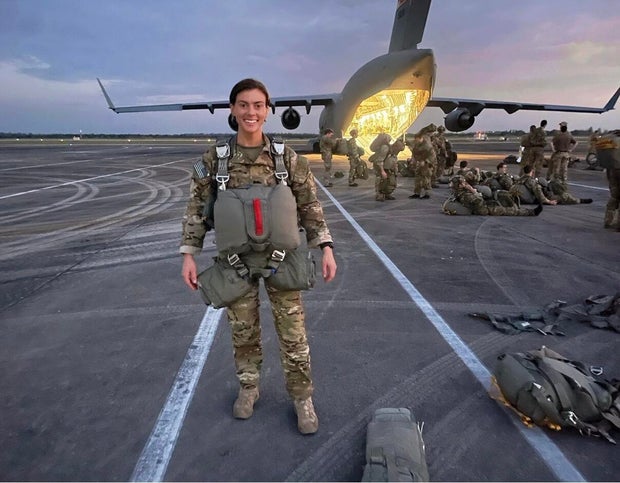
Despite challenges, some women, like Hailey Gibbons of the 75th Ranger Regiment, have completed grueling selection processes. These women face criticism and skepticism about their roles in combat and special operations. Former Fox News host and National Guard veteran Pete Hegseth expressed doubts about women’s inclusion but acknowledged maintaining high standards.
Gibbons and others maintain that standards have not been lowered to accommodate women in special operations. Efforts are ongoing to ensure that all candidates, regardless of gender, meet the rigorous requirements necessary to serve in these demanding roles.