
A Troubling Experience on the Road
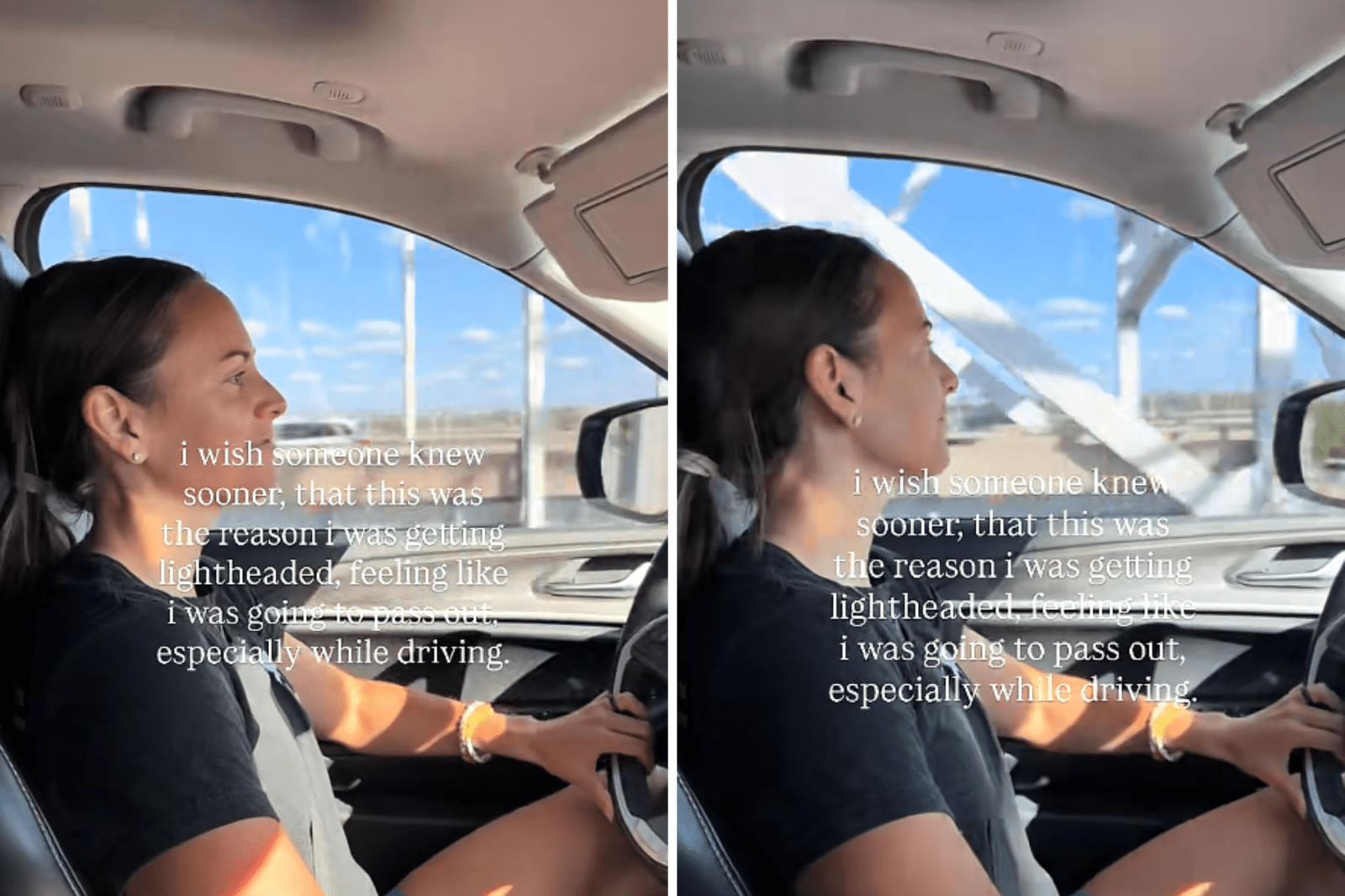
Cayla Kranz, a fitness and nutrition coach from St. Louis, Missouri, faced repeated dizzy spells for months without understanding the cause. Her struggle reached a peak in October 2025 during a frightening episode while driving with her two young children. She described the day as unforgettable when her vision suddenly darkened, her head felt heavy, and she became lightheaded, fearing she might pass out. Despite the alarm, she managed to ensure her children’s safety by pulling off the road and calling for help.
Recurring Symptoms with No Clear Diagnosis
Prior to this major incident, Kranz had felt episodes of dizziness before, though less severe. Initially, she attributed these feelings to potential issues with her contacts or difficult workouts. Several visits to urgent care included tests like EKGs and cardiology exams, all yielding normal results, leaving medical staff puzzled by her condition. Following the ‘big episode’ while driving, her symptoms persisted, becoming more challenging. She experienced shaky and floaty vision, lightheadedness, derealization, heart palpitations, anxiety, and was stuck in a state of fight or flight.
The Search for Answers
More tests were conducted, including an MRI scan, yet once again, no abnormalities appeared. Kranz visited specialists ranging from primary care doctors to cardiologists and ophthalmologists, none could pinpoint the issue. A breakthrough occurred when a physical therapist acquaintance suggested the symptoms might relate to vestibular issues.
Understanding Vestibular Migraines
Upon researching vestibular migraines, Kranz found clarity. Vestibular migraines involve balance problems, nausea, vomiting, vertigo lasting several days, sensitivity to light, sounds, and severe headaches, according to Johns Hopkins University. Diagnosis can be complex as dizziness might not coincide with other symptoms. Although the origins of vestibular migraines remain uncertain, identifying them helped Kranz significantly.
Gratitude and Support
Expressing gratitude to her client, Kranz remarked on the importance of support during her ordeal. She emphasized the difficulty faced during symptom episodes with no diagnosis. It taught her to cherish each day, acknowledging the unpredictability of life. A motivating quote, “You can do hard things,” offered solace during challenging times. Her family played a crucial role in providing support during intense periods.
Moving Forward
While vestibular migraines lack a cure, treatment options exist, bringing hope to Kranz. She noted that her days are increasingly better, with optimism for continued improvement. To those experiencing similar issues, Kranz shared encouragement, reminding them they are not alone and reassuring that better days are feasible.