
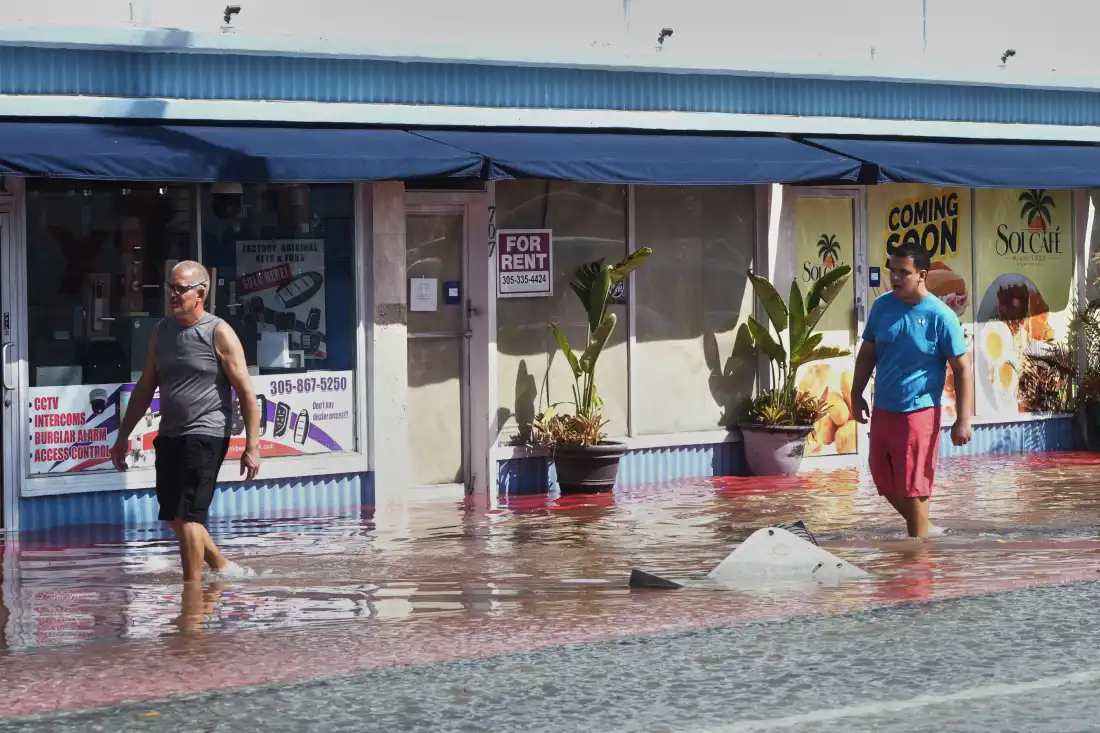
National weather agencies predict this winter will be warmer and wetter across the globe due to a “Super El Niño”. The National Oceanic and Atmospheric Administration (NOAA) forecasts warmer temperatures across much of the continental U.S., along with above-average rainfall in several regions. El Niño years often lead to coastal flooding on the Eastern seaboard and the West Coast.
Weather Predictions and Preparations
Ken Graham, director of NOAA’s National Weather Service, emphasized the strong nature of this El Niño. Predictions indicate certain weather patterns, but outcomes remain uncertain. Nevertheless, these forecasts help cities prepare and allocate resources efficiently.
“These seasonal predictions are key to helping you prepare and giving you a heads-up to assess all the risks and how to mitigate them,” said Graham.
El Niño this year might also alleviate drought conditions by bringing much-needed rain to affected areas.
Understanding El Niño
El Niño is a natural climate phenomenon originating in the tropical Pacific Ocean. It occurs every few years when a large area of water in the eastern Pacific warms near the equator. This heat release alters global weather patterns. Some experts predict this El Niño could be the most intense on record.
Josh Willis from NASA’s Jet Propulsion Laboratory describes El Niño as vast and impactful. “It rises up out of the ocean like Godzilla,” he said, referencing severe droughts and wildfires in Indonesia and Southeast Asia, alongside storms and high tides across the Pacific.
Regional Impacts of El Niño
West Coast Expectations
Northern California anticipates warmer temperatures, while Southern California is likely to see increased precipitation. The state might see higher snowfall in certain mountainous areas. An early arrival of a Kelvin wave on the West Coast has already brought increased sea levels and risk of floods.
According to Dillon Amaya of North Carolina State University, Kelvin waves don’t directly cause floods but increase their likelihood. More Kelvin waves are expected into early winter.
Impact on the Pacific Northwest
The Pacific Northwest is projected to be warmer with less rainfall compared to other West Coast areas. This reduced precipitation could lead to a decreased snowpack, worsening the region’s drought conditions. Increased dry conditions raise the potential for severe wildfires.
Southwest’s Rainfall Challenge
The Southwest has already experienced significant rainfall and flooding, especially in the Four Corners region. This weather pattern is partly attributed to El Niño and a marine heat wave. Despite the increased precipitation, it will not resolve the Colorado River basin’s water crisis. Reservoirs such as Lake Powell and Lake Mead remain at critically low levels.
Implications for the East Coast
The Northeast expects both warmer temperatures and more precipitation, increasing nor’easter activity. During the last strong El Niño in 2016, severe blizzards affected the region. Coastal erosion from nor’easters is a significant risk.
Southern U.S. and Precipitation
The southern U.S. has the highest chance of above-average rainfall. Snowfall might occur in areas unaccustomed to it, like northern Texas, while Florida anticipates heavy rains. The state also faces higher tornado risks during El Niño periods.
Midwestern Drought Concerns
The Midwest, particularly the Upper Midwest, is expected to have less snow due to warmer temperatures. Drought conditions may persist and potentially worsen throughout the region.