
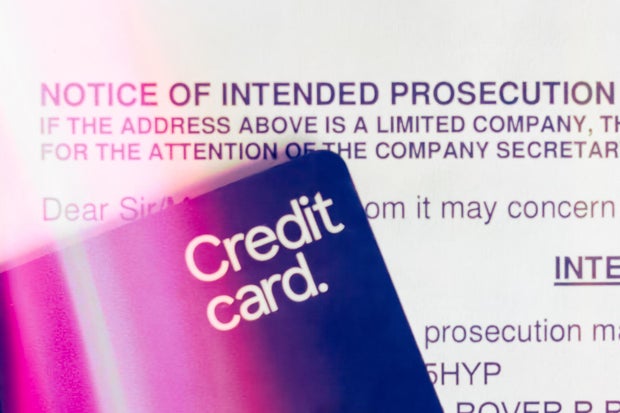
Facing constant calls and letters from debt collectors can quickly become overwhelming if you’re behind on payments. When these communications suddenly stop, the silence might feel like a relief. Yet, it’s risky to assume it means your debts have resolved themselves. Debt collection is a complex process, and the silence could suggest different developments behind the scenes.
Understanding Debt Collector Silence
Silence from debt collectors doesn’t indicate the status of your debt. Accounts can change hands or move to different stages of the collection process without your knowledge. Here’s why debt collectors may stop contacting you:
Transferred or Sold Debt
Creditors can move an unpaid account to another collection agency if previous attempts are unsuccessful. When this happens, there may be a lull in communication while new collectors prepare to pursue the debt further.
Expiration of Statute of Limitations
States impose a time limit on how long collectors can legally sue you for unpaid debt, usually ranging from three to six years. Once this period passes, the debt is considered time-barred, and while collectors may still request payment, they lose the ability to sue, making further collection efforts less likely.
Disputed Debt
If you formally dispute the debt, collection attempts must pause until the debt collector verifies the details. This can lead to a temporary stop in communication; however, the collection process can resume depending on the outcome.
Uncollectible Debt
If a debt collector deems a debt uncollectible due to repeated failed attempts and no visible assets or wages to pursue, the account may be deprioritized or written off. Your obligation to pay still exists, despite the lack of contact.
Protected Income
Some income types, like Social Security benefits and disability payments, are protected from garnishment. If collectors realize further pursuit is unlikely to yield results, their attempts may decrease.
Potential Litigation
Legal action can cause a shift in communication from collection calls to legal notices. If silence follows a lawsuit threat, pay attention to any legal documents or notifications, as neglecting these can result in a default judgment against you.
Steps to Take If Contact Stops
If debt collectors stop contacting you, investigate your debt situation instead of assuming forgiveness:
- Review credit reports, previous collection notices, and account statements.
- Verify the debt if you receive new contact from collectors before agreeing to any payment.
- Consider debt relief options if the debt remains legitimate but you’ve determined it’s unaffordable.
- Explore a debt management plan through a credit counseling agency. This can consolidate debts, lower interest rates, and reduce fees.
- Investigate debt settlement, negotiating to pay 30-50% less than the owed balance. Successful negotiations could ease debt burdens significantly.
Conclusion
When debt collection calls cease, it doesn’t confirm the debt’s disappearance. The account might be changing hands or entering a new phase of the collection process. It’s essential to monitor your debt status and watch for important notices. If full repayment seems unrealistic, now’s an opportune time to explore debt relief options and regain control over your financial future.