
Monitoring Suspected Pneumonic Plague in Irkutsk
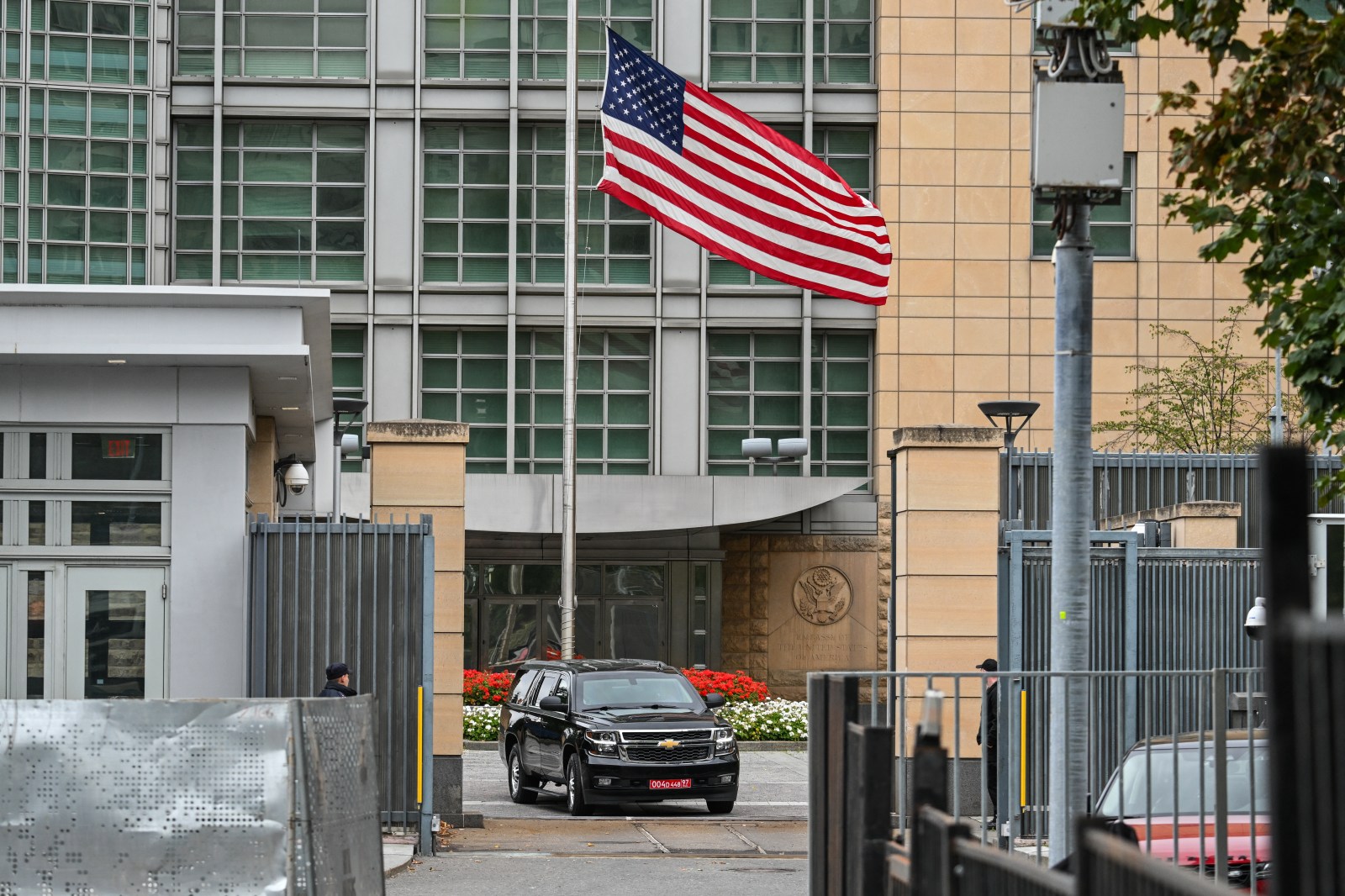
The U.S. Embassy in Russia is closely observing media reports about a potential pneumonic plague-related death and subsequent quarantine measures in the Irkutsk region. Despite these reports, there has been no new travel warning or alteration to the State Department’s ongoing Level 4 advisory. This advisory, issued on December 29, 2025, recommends that Americans avoid all travel to Russia due to risks such as terrorism, unrest, and wrongful detention.
The advisory emphasizes the limited capacity of the U.S. government to assist its citizens in Russia, particularly outside of Moscow. It continues to advise Americans currently in Russia to depart immediately and strongly cautions against planning any travel to Russia.
WHO’s Statement and Risk Assessment
The World Health Organization (WHO) reported that Russian authorities have not confirmed any plague case in Irkutsk. Nevertheless, the precise cause of death of a laboratory worker remains unidentified as of the latest update.
International attention grew due to initial links made by the media between the death of Daria Shipilova and pneumonic plague. This form of plague affects the lungs and can be transmitted via respiratory particles. The WHO explained that if untreated, pneumonic plague can cause death within 18 to 24 hours, but antibiotics are effective when administered promptly.
Despite uncertainties, the WHO assessed that the public health risk is “moderate to low” for Irkutsk, low for Russia in general, and very low for the WHO European region. This assessment could change as more information becomes available.
U.S. Embassy’s Ongoing Vigilance
The State Department’s TravelGov account posted an update stating: “Irkutsk, Russia: The U.S. Embassy is aware of press reports from the Irkutsk region of suspected pneumonic plague resulting in the death of an individual and of associated quarantine measures in, and closures of, hospitals in Irkutsk. We continue to track the situation closely.”
The statement linked the reported plague death, quarantines, and hospital closures to press accounts without independently confirming these claims or revising U.S. travel guidance.
Response and Commentary from Experts
The WHO’s monitoring system noted media reports about the suspected pneumonic plague death in Irkutsk Oblast on October 2. Following this, the WHO requested information from Russian health authorities regarding the death, laboratory testing, contact tracing, and possible public health ramifications.
Russian authorities responded that the illness initially resembled a common acute respiratory viral infection, and no plague cases were recorded in the region. They reported negative results for infectious-disease pathogens among Shipilova’s contacts, who also showed no symptoms.
Dr. Amesh Adalja of the Johns Hopkins Center for Health Security expressed skepticism about the reported response to the alleged plague incident, noting inconsistencies with typical plague protocols. He highlighted that plague can be treated with modern antibiotics, and facilities generally have preventive measures for exposed workers.
Adalja commented that plague tends to draw attention due to its historical significance, but emphasized its treatability in modern times.
Daria Shipilova’s Background
Shipilova was a 28-year-old laboratory technician at the Irkutsk Anti-Plague Institute. Reports suggested her illness followed a laboratory accident related to Yersinia pestis, the bacterium responsible for plague, though these claims remain unverified.
Her workplace is noted for conducting research on various dangerous pathogens, including plague, in a region where the disease occurs naturally among wildlife.
Biosecurity Concerns Raised
Some specialists questioned the extensive containment measures taken, given the uncertainty of the illness being plague. Adalja mentioned the Soviet Union’s historical involvement in biological weapons research, with some anti-plague institutes participating in such programs. He referenced incidents like the 2018 Novichok poisoning in England, where novel nerve agents were used.
Kevin Esvelt from MIT Media Lab also speculated on the reasons behind Russia’s containment actions, suggesting that stringent measures could indicate a transmissible biological agent. He posed questions about the lack of transparency regarding the specific agent involved.
Currently, no confirmation exists linking Shipilova’s death to biological weaponry, and Russian authorities have not indicated a weapons-related investigation.
The U.S. Embassy and WHO continue to assess the situation as they await further information on Shipilova’s fatal pneumonia.