
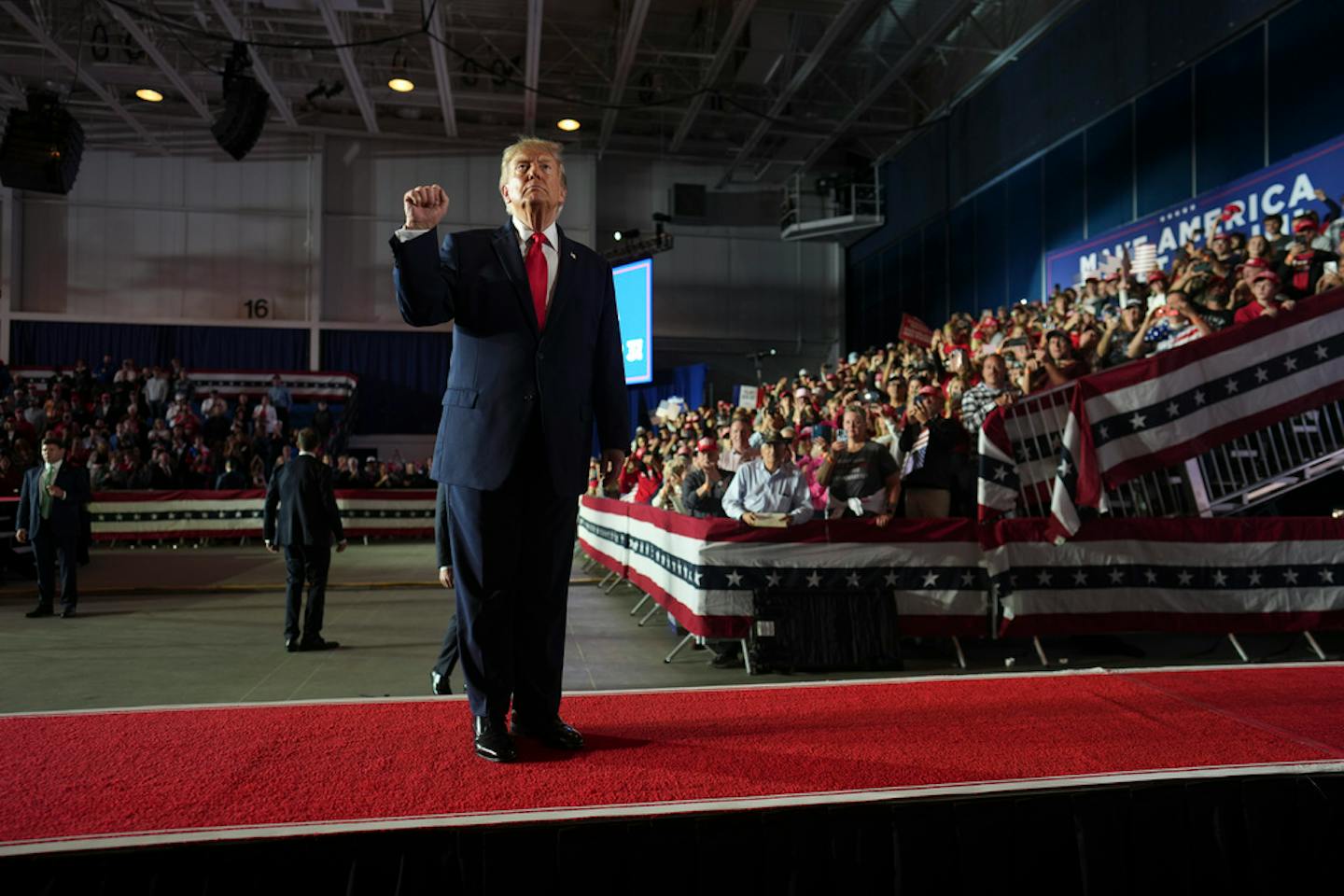
The recent midterm elections signaled a significant shift in American politics. President Trump, who urged voters to imagine he was on the ballot, faced a strong pushback as the results poured in. This electoral backlash affected not only swing states but also traditional Republican strongholds.
The midterms reflected a growing dissatisfaction with Trump’s leadership. High gas prices, the ongoing conflict with Iran, and allegations of unethical financial activities contributed to voter frustration. Many who previously supported Trump now either voted against his party or refrained from voting.
The New York Times projected that Democrats would win the national House vote by a margin of about 13 percentage points. This margin is the largest seen in decades, surpassing previous Republican landslides during the Clinton and Obama administrations. However, due to redistricting and gerrymandered districts, the number of seats gained may not mirror past victories.
Douglas B. Sosnik, former White House political director, described the results as a repudiation of Trump and his Republican allies. He predicted a volatile political phase over the next two years. Despite Trump’s attempts to downplay the losses, experts emphasize that the campaign centered on Trump and his policies.
Key factors in the defeat included Trump’s controversial decisions, such as starting the war with Iran, his candidate endorsements in deep red states that backfired, and the negative perception of his administration’s ethics. Voter concerns over tariffs, heavy-handed immigration policies, and the rising cost of living fueled the discontent.
On the eve of the election, Trump’s focus on personal projects and agendas seemed disconnected from voter priorities. His final campaign address at the Reflecting Pool illustrated this misalignment, highlighting construction projects rather than tackling pressing economic issues.
David McIntosh of the Club for Growth warned against counting Trump out, noting past premature political obituaries for him. He underscored a need for Republicans to return to core principles to succeed in future elections.
Lynn Vavrek, a political expert at UCLA, attributed much of the electoral shift to high gas prices rather than a complete collapse of Trump’s coalition. Although Trump’s appeal has diminished, the party’s policies on immigration and diversity continue to have traction.
The Democratic Party now faces its own internal debates post-victory. While opposition to Trump united them, discussions about the influence of progressive versus moderate policies will shape future strategies.
Key Democratic voices like Rahm Emanuel highlight the break of non-MAGA Republicans from their party. Deciding whether the election signals a temporary or permanent change will guide their approach going forward.
Former Michigan Governor James Blanchard compared current sentiments to the post-Watergate era, noting that while politics have changed, a return to pre-Trump norms seems unlikely. American politics must forge a new path in a post-Trump landscape, despite his lingering presence.