
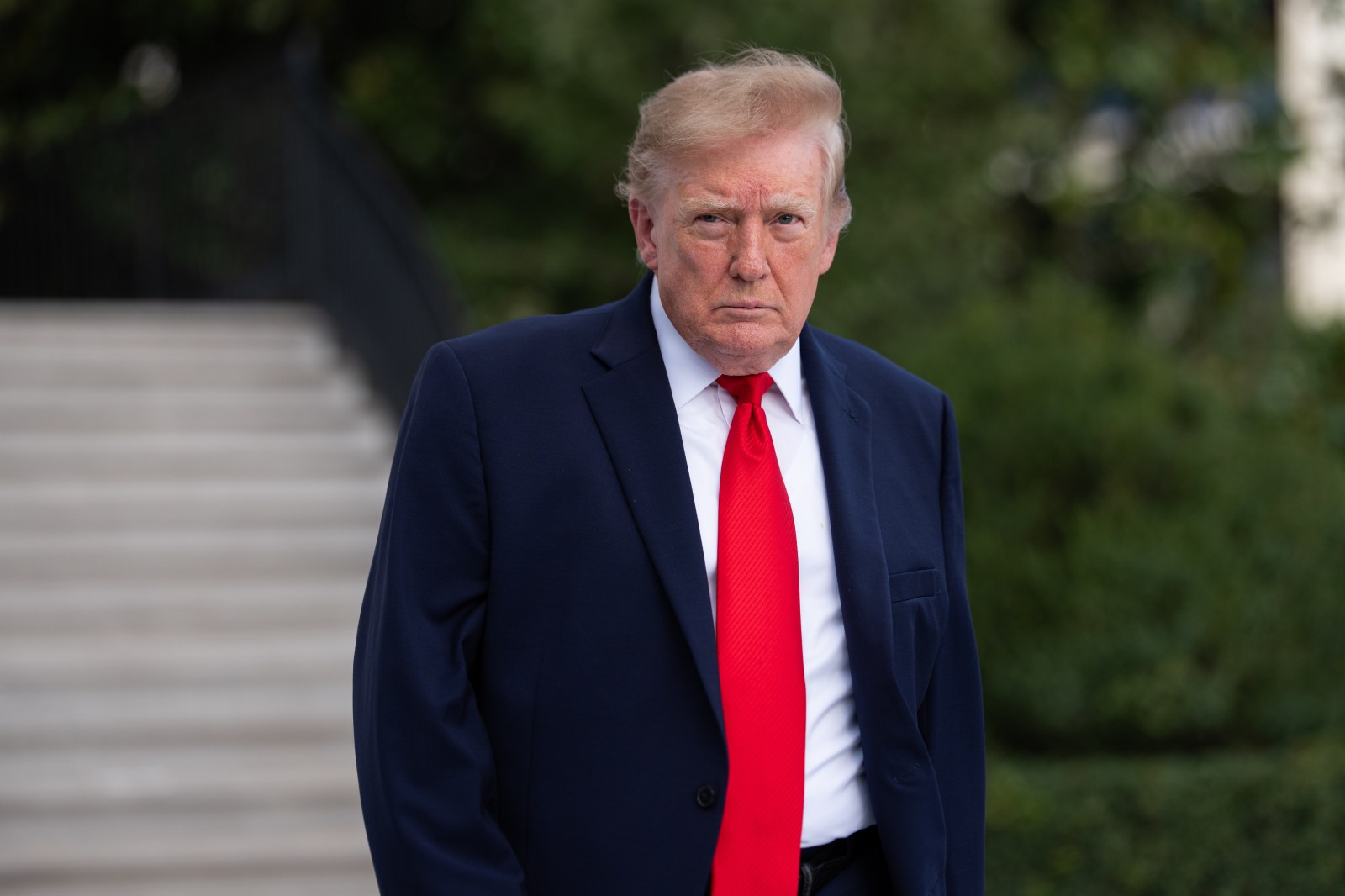
The Trump administration seeks to expand access to psychedelic drugs for veterans as potential treatments for post-traumatic stress disorder (PTSD) and depression. Andrew Gradison, a senior adviser at the Veterans Health Administration, suggests that up to 2.1 million veterans could benefit from treatments like psilocybin and MDMA. Currently, around 6.4 million veterans rely on the Department of Veterans Affairs (VA) for healthcare.
Christopher DiViaio, clinical director at Eleve Behavioral Health, emphasizes the persistent challenges veterans face with PTSD after deployment. He notes traditional treatments work for some but not all, prompting interest in alternatives like psychedelic-assisted therapy. However, federal regulators have not yet approved these drugs. This poses substantial hurdles, both practical and safety-related, for the VA.
Veterans could benefit from psychedelic drug treatments for mental health conditions, but approval and implementation challenges remain.
Why It Matters
Researchers focus on veterans for psychedelic treatments, exploring new approaches to PTSD and other mental health issues. President Donald Trump issued an executive order in April to accelerate research and access to psychedelic therapies. However, the U.S. Food and Drug Administration (FDA) has not approved these therapies for such conditions.
In 2024, under the Biden administration, the FDA rejected a proposal to combine MDMA with therapy for PTSD treatment. During a recent conference, Gradison discussed scaling up psychedelic treatments for the one-third of VA patients with mental health conditions. Despite enthusiasm, the Veterans Health Administration faces practical challenges in treating even modest patient numbers with FDA-approved psychedelics.
Efforts are primarily driven by the veteran lobby, addressing the limitations of current treatments. Toby Marton, chief medical officer at Radial Health, explains the VA has already identified sites for initial pilot programs and is working on logistical preparations.
Psychedelic Drugs Face FDA Hurdles
The FDA’s approval remains a key uncertainty. In 2024, it rejected an application for MDMA-assisted therapy. Despite setbacks, the Trump administration facilitates regulation to fast-track psychedelic therapy development. For instance, Compass Pathways is advancing a synthetic psilocybin formulation for treatment-resistant depression. The company aims to submit its FDA application this quarter, with hopeful approval by 2027.
FDA approval would still leave the VA needing to build capacity for an intensive treatment rollout. DiViaio stresses the importance of evaluating who benefits from such therapy, potential risks, and necessary support around these treatments.
What Happens Next
If the FDA approves treatments, the Trump administration will tackle implementing them within the VA. DiViaio expresses caution as promising clinical trials do not always translate into everyday accessibility. He emphasizes considering affordability, access to trained professionals, and adequate follow-up care for patients.
In summary, the potential for psychedelic-assisted treatments offers hope for many veterans. However, it’s crucial that these therapies are vetted thoroughly and implemented responsibly.