
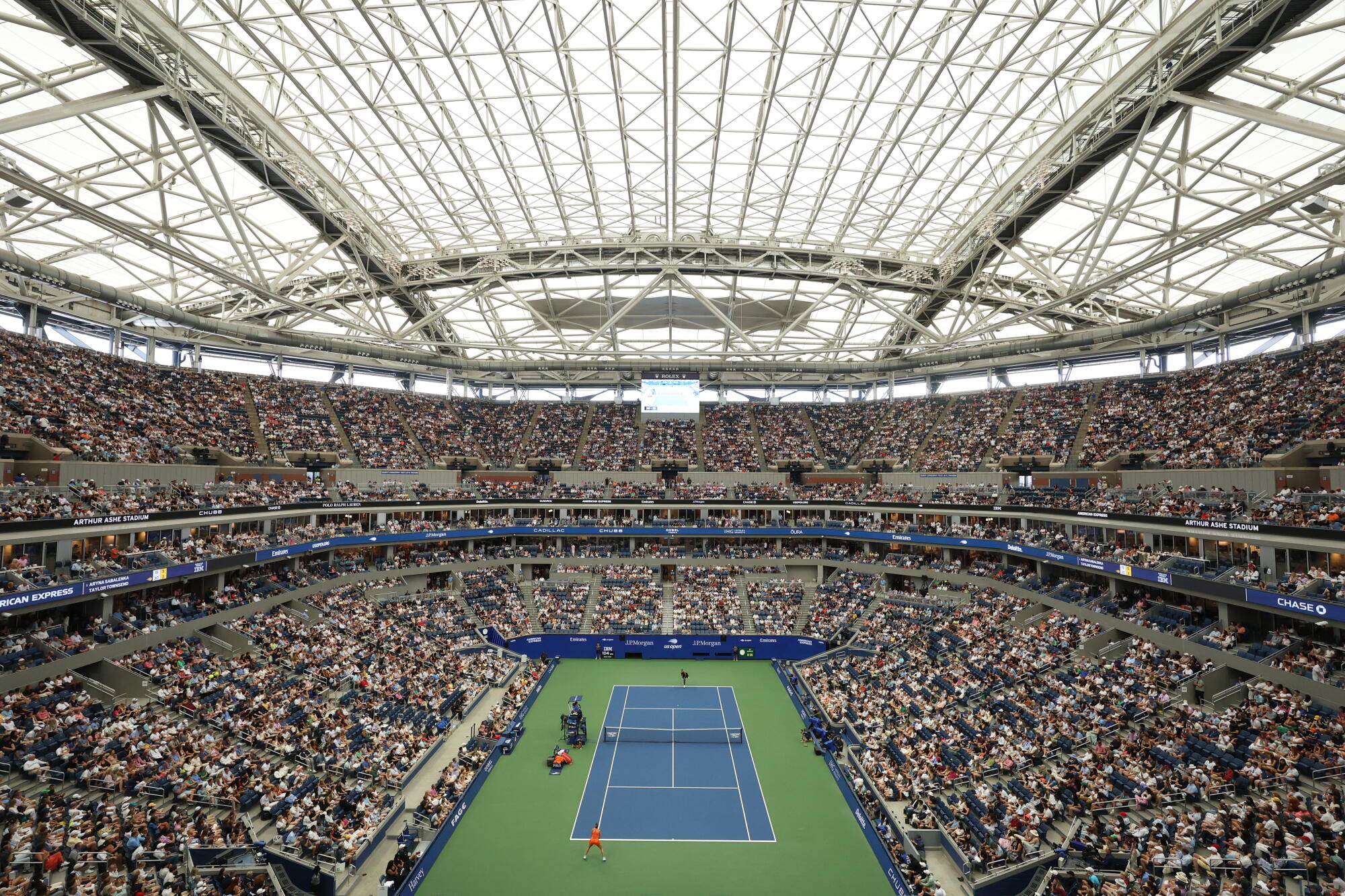
The US Open stands out for its distinct and lively character among tennis’s four Grand Slams. It is known for its loud crowds and an energy unique to New York. However, recent events have prompted questions about when the bustling atmosphere distracts from the sport.
External Distractions
Matches at the US Open are notorious for ending late, some past 2 a.m. The crowd noise inside Arthur Ashe and Louis Armstrong stadiums is constant. Social media influencers have begun filming during game points, further adding to the distraction. On a recent occasion, the smell of marijuana was evident on the court, disturbing top-ranked players like Aryna Sabalenka.
Jessica Pegula, the top-ranked American player and third seed, appreciates the chaos for its New York flair but suggests better management to keep these distractions from interfering with matches.
Not a New Issue
Noises and unusual scents have been characteristic of the tournament since its 1978 move to Flushing Meadows. In the past, jets and trains added to the cacophony as matches were trashed by audiences over umpiring decisions. Such boisterous crowds are not a new occurrence.
The recent spotlight has been on the scale and intention behind the disruptions. Influencers during Naomi Osaka’s opening match highlighted a growing debate on whether these newcomers understand tennis etiquette.
Tennis Etiquette
Osaka recognizes the importance of introducing tennis to new audiences but insists on respecting the sport. Coco Gauff mirrors this view, urging event organizers to educate influencers on proper behavior, like avoiding flash photography and excessive talking. She equates it to adhering to a dress code at a formal event.
Impacts on Players
For players, distinguishing between a vibrant atmosphere and unwanted interference is crucial. Crowd movement and noise hinder the ability to focus, impacting the performance. Marta Kostyuk and Alex de Minaur note that the non-stop noise at the stadiums sometimes makes it hard to hear the ball, suggesting the level of crowd involvement is unmatched elsewhere.
Scheduling Challenges
The late-night scheduling is also under scrutiny. Many matches end in early morning hours, raising concerns about the feasibility of playing at such times. Venus Williams and Sofia Kenin began their match past midnight, a record for the tournament.
Younger players, like Learner Tien, tend to embrace the noisy atmosphere as long as it remains respectful during play. Aryna Sabalenka, despite the disruptions, enjoys the noise, reflecting a contradiction that defines the US Open’s identity.
Future Considerations
The US Open’s distinct vibrant identity remains a staple, differentiating it from calmer tournaments like Wimbledon. The USTA’s new chief executive, Craig Tiley, aims to amplify this characteristic, envisioning the US Open as a ‘tennis Disneyland.’
The growing spectacle of the event coincides with the sport’s shift to attract younger audiences familiar with noisier sporting events. Jessica Pegula suggests that newcomers will learn tennis etiquette over time, particularly as attention to these issues grows.