
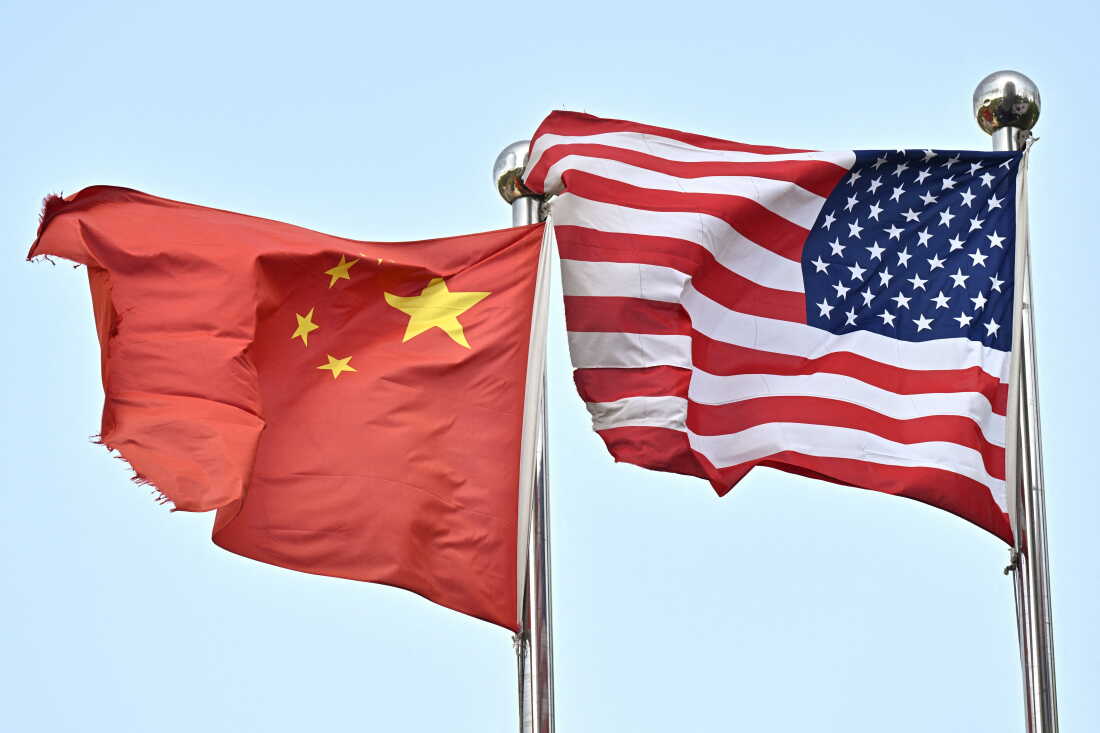
Amid growing tensions between the United States and China over artificial intelligence, experts predict slim chances of a breakthrough during the upcoming meeting between President Trump and Chinese leader Xi Jinping in Washington. The Trump administration recently accused Chinese AI firms of intellectual property theft, while China criticized US export restrictions on chips, fueling a standoff with limited room for compromise.
Track Two Diplomacy
Despite official discord, informal dialogues, known as “Track Two” diplomacy, foster bilateral communication on sensitive topics like AI. Former US diplomat Sarah Beran emphasizes the importance of these exchanges. Beran served on the National Security Council and highlights their potential to build understanding and offer policy recommendations. In these back-channel talks, experts from both nations address matters from nuclear disarmament to climate change.
Track Two diplomacy’s purpose is collaboration without public consensus. Beran recalls using these discussions to resume military dialogue after it was halted following Nancy Pelosi’s 2022 Taiwan visit. This quiet diplomacy between the US and China helped facilitate agreements, such as preventing AI-controlled nuclear weapons use.
Challenges and Concerns
Participants like Samm Sacks from Johns Hopkins say these dialogues substantiate the common ground both nations share on AI, despite official controversies over intellectual property issues. Jack Shanahan, a retired Air Force general, notes China’s growing awareness of AI risks. Although China sees itself as technologically behind, they acknowledge the necessity of dialogue as AI consequences emerge.
Official tensions, though, remain. Each country focuses on different AI concerns, affecting Track Two discussions. The US fears cyber vulnerabilities, while China emphasizes regime stability and hardware self-reliance. Scott Kennedy from the Center for Strategic and International Studies notes Track Two talks can map out different viewpoints but require government support to impact high-level decisions.
While some Track Two participants feel the Trump administration shows less engagement, they await signals from the Trump-Xi meeting for continuing substantive AI discussions.
Sarah Beran stresses the importance of these dialogues for confidence-building. As new meetings approach, leveraging any agreements between the two leaders could restart meaningful exchanges focused on AI’s future.